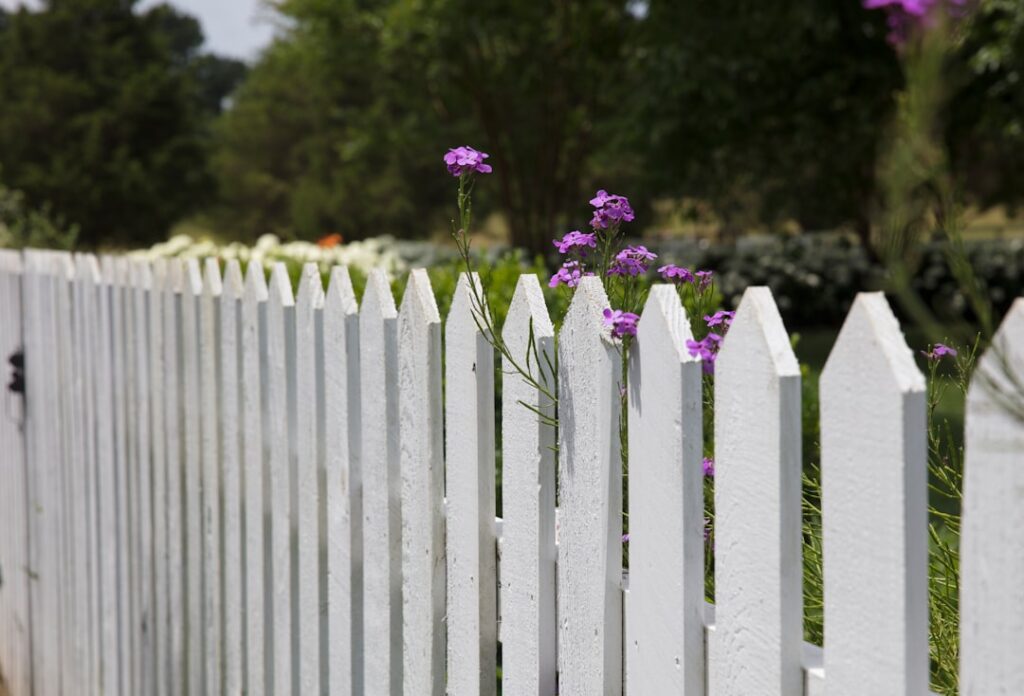
Understanding vinyl fence pricing is the first step toward a project that fits your yard and your budget. Vinyl (PVC) fencing has become hugely popular because it never needs painting or staining, resists rot and insects, and lasts for decades, but it costs more up front than wood or chain link. Knowing what drives the price helps you compare quotes intelligently and avoid surprises when the estimates come in.
Part of our Decks & Outdoor guide — explore the full guide →
This guide breaks down realistic cost ranges per linear foot for both materials and installed projects, explains the factors that move those numbers, and offers tips to control costs. All prices here are estimates that vary by region, supplier, and project, so always get multiple local quotes before committing.
Why Vinyl Fencing Costs More Up Front
Vinyl carries a higher initial price than many alternatives, but the value is in the long run. There is no painting, sealing, or staining, no rotting or warping, and minimal maintenance beyond an occasional rinse. Over the life of the fence, those savings in time and upkeep often offset the higher purchase cost compared to wood, which needs regular refinishing.
Vinyl is also durable and color-stable, holding up to sun, moisture, and pests far better than wood. When you weigh vinyl fence pricing, think in terms of total cost of ownership, not just the day-one number.
Cost Per Linear Foot: Materials and Installed
The most useful way to think about fence cost is per linear foot. These are broad estimates; your local quotes may land higher or lower:
- Materials only – vinyl fencing commonly runs roughly $15 to $40 per linear foot for the panels, posts, and hardware, depending on style and quality.
- Installed (materials plus labor) – a professionally installed vinyl fence often falls in the range of about $25 to $60 or more per linear foot, with privacy and decorative styles toward the higher end.
For a typical residential project, multiply your fence length by these ranges to get a ballpark, then refine with local quotes. Always confirm what each quote includes, such as gates, post setting, and old-fence removal.
What Drives the Price
Several factors push vinyl fence pricing up or down:
- Style – solid privacy panels use more material and cost more than open picket or post-and-rail designs.
- Height – a 6-foot privacy fence costs more per foot than a 3- or 4-foot fence due to extra material.
- Quality and thickness – heavier-gauge vinyl with reinforced rails costs more but resists sagging and wind better.
- Gates – each gate adds hardware and labor; double or drive gates cost more than a single walk gate.
- Color and texture – white is usually most economical; tans, grays, and wood-grain textures often cost extra.
- Terrain and layout – slopes, corners, rocky soil, and many posts increase labor.
Labor and Installation Costs
Labor is a significant share of an installed fence, often roughly half the total, and it varies with site conditions. Setting posts in concrete, working on sloped or rocky ground, removing an existing fence, and navigating obstacles all add hours and cost. Permits, utility line marking, and difficult access can add to the bill as well.
Because vinyl posts must be set plumb and at correct spacing to keep panels straight and stable, quality installation matters. Get itemized quotes from licensed, insured contractors so you can compare labor, materials, and extras line by line rather than just the bottom number.
DIY vs Professional Installation
Handy homeowners can install vinyl fencing themselves and save the labor portion, which is substantial. Many vinyl systems are designed to assemble in panels with posts set in concrete. The savings are real, but so are the challenges: posts must be perfectly aligned and spaced, the ground must be measured and leveled, and mistakes are hard to fix once concrete cures.
Before going DIY, remember to call for underground utility marking, check local permit requirements, and confirm property lines. If your yard is sloped, large, or complex, professional installation is often worth the cost for a straight, lasting result. Always follow the manufacturer’s installation instructions for the specific product.
Additional Costs to Budget For
The fence itself is not the only expense. Build these into your budget:
- Permits – many areas require a permit for new fencing, with fees that vary locally.
- Old fence removal and disposal – tearing out and hauling away an existing fence adds cost.
- Concrete and hardware – posts set in concrete need bags of mix and proper hardware.
- Gates and accessories – latches, hinges, and post caps add up.
- Site prep – clearing brush, grading, or removing tree roots along the line.
Tips to Control Costs
You can manage vinyl fence pricing without sacrificing quality. Choosing a standard color like white, a simpler style, and a moderate height all reduce cost. Buying during off-season sales and getting at least three quotes helps you find the best value. Where appropriate, doing site prep yourself, such as clearing the fence line, can trim labor.
That said, do not cut corners on vinyl quality or installation. Thin, low-grade vinyl can sag and crack, and a poorly set fence leans and loosens. The goal is the best long-term value, not just the lowest sticker price.
Vinyl vs Wood and Other Materials
Comparing the long-term math helps justify vinyl’s higher entry price. Wood fencing typically costs less up front but requires staining or sealing every few years and eventually rots or warps, so its lifetime cost climbs. Chain link is the cheapest but offers little privacy or curb appeal. Aluminum is durable and elegant but does not provide solid privacy.
- Vinyl – higher initial cost, very low maintenance, long lifespan, good privacy options.
- Wood – lower initial cost, recurring refinishing, shorter lifespan in harsh climates.
- Chain link – lowest cost, minimal privacy and aesthetics.
- Aluminum – durable and attractive, but limited privacy and often higher cost.
If privacy, durability, and freedom from repainting matter to you, vinyl’s higher up-front price often pays for itself over the years you own the fence.
The Bottom Line
Vinyl fencing costs more up front than wood or chain link but rewards you with decades of low-maintenance service. Expect material costs in the rough range of $15 to $40 per linear foot and installed projects often around $25 to $60 or more per linear foot, driven by style, height, quality, gates, and site conditions. Treat every figure here as an estimate, gather multiple local quotes, and weigh the long-term savings in upkeep. Plan carefully and your vinyl fence will deliver lasting privacy, curb appeal, and value for years to come.