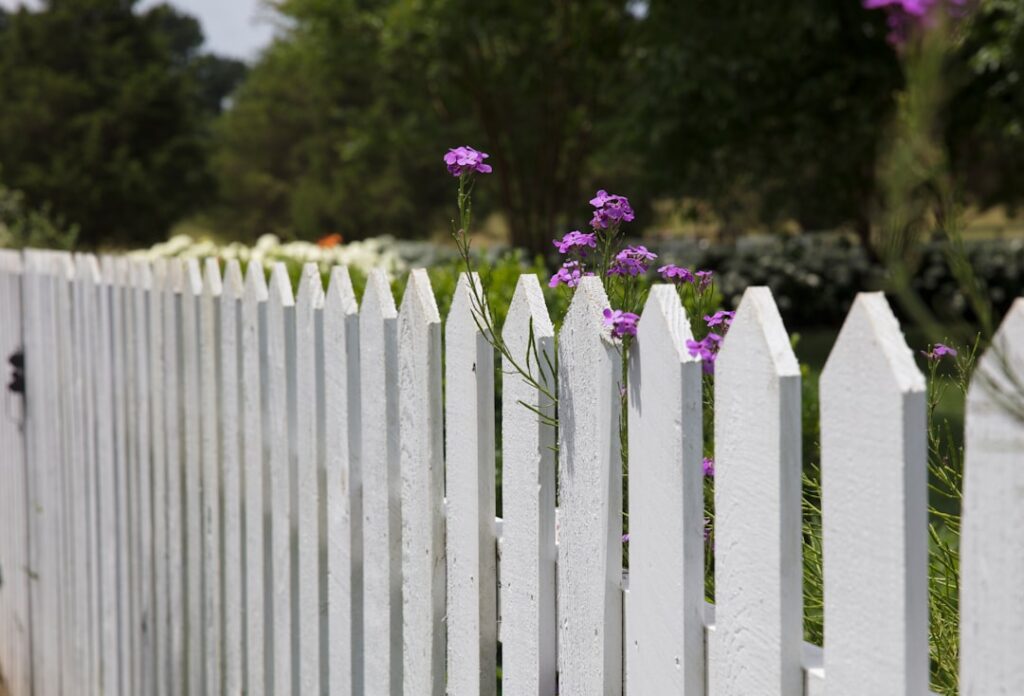
Vinyl looks like the easy choice for a low-maintenance fence until you start pricing it and realize the quotes swing wildly from one contractor to the next. The vinyl fence cost for a typical residential project lands around $25 to $40 per linear foot installed, but the final number depends heavily on the style, the height, your terrain, and how many gates you need. Understanding what drives those quotes is the difference between a fair price and an overpriced one.
Part of our Decks & Outdoor guide — explore the full guide →
This guide breaks down the real costs, what pushes them up or down, and where homeowners can trim the budget without buying a fence that cracks in a few winters.
Average Vinyl Fence Cost
For a standard installation, expect roughly $25 to $40 per linear foot all in, covering both materials and labor. Materials alone usually account for about $15 to $30 of that, with installation making up the rest. A common 150-foot yard perimeter often falls somewhere in the $4,000 to $6,000 range, though privacy panels, sloped ground, and premium products can push a similar yard well past that.
Picket and ranch-rail styles sit at the lower end because they use less material, while tall solid privacy panels sit at the upper end. As with most building products, buying the cheapest vinyl you can find tends to cost more later in cracked panels and faded color.
Cost by Fence Style
- Picket fence: About $20 to $30 per linear foot. The open design uses less material, making it the most affordable vinyl option.
- Privacy fence: About $25 to $40 per linear foot. Solid panels use the most material and typically stand 6 feet tall.
- Semi-privacy or lattice-top: About $25 to $38 per linear foot, offering a decorative band over a solid lower section.
- Ranch or post-and-rail: About $15 to $25 per linear foot. The sparse design makes it the cheapest style, popular for large rural lots.
What Drives the Price
Several factors explain why two quotes for the same yard can differ by thousands. Height is a big one, since a 6-foot privacy fence uses far more vinyl than a 4-foot picket and may require deeper posts. Vinyl quality also matters: thicker-walled panels with UV inhibitors and reinforced rails cost more upfront but resist sagging and yellowing.
Site conditions add up fast too. Sloped, rocky, or root-filled ground slows the dig and may require stepped panels or extra concrete. Old fence removal, gate count, and travel distance for the crew all factor in. Permits, where required, typically add $20 to $400 depending on your municipality.
Gate and Hardware Costs
Gates are priced separately and add up quickly because each one needs its own posts, hinges, and latch. A standard walk gate generally adds about $200 to $600, while a wider double gate for a driveway or yard equipment can run $400 to $1,200 or more. Upgraded hardware such as self-closing hinges, locking latches, or keyed entry sets pushes those numbers higher.
If your design allows it, minimizing the number of gates is one of the simplest ways to control the total. Plan gate placement around how you actually use the yard rather than adding access points you rarely need.
Labor vs. DIY Savings
Labor typically represents 40 to 60 percent of the total, so doing it yourself can cut the cost roughly in half on materials-only terms. A determined DIYer can install vinyl with a rented power auger, a string line, and patience, but the precision is unforgiving. Vinyl panels slide into routed posts, so even small spacing errors make them hard to seat, and crooked posts are obvious from the curb.
Setting posts in concrete, keeping everything plumb and level, and letting footings cure properly all reward experience. If you are comfortable with concrete work and careful layout, DIY saves real money. If not, the cost of a pro is often worth avoiding a fence that leans or gaps.
Long-Term Cost vs. Wood
Vinyl costs more than basic pressure-treated wood at installation, sometimes noticeably more. The savings show up over time. A wood privacy fence needs staining or sealing every few years and eventually board replacement, while vinyl needs little more than an occasional rinse. Over a 15- to 20-year span, the absence of stain, sealant, and repairs often makes vinyl the cheaper option on a lifetime basis.
That trade is the core of the vinyl pitch: pay more once, then spend almost nothing maintaining it. For homeowners who would rather rinse a fence than refinish it, that math usually works in vinyl’s favor.
Additional Costs to Plan For
The per-foot price rarely tells the whole story, and a few extras catch homeowners off guard. Old fence removal and disposal often adds a few hundred dollars if you are not handling it yourself. Tearing out concrete footings from a previous fence is labor-intensive and pricier than removing wood posts set in dirt. If your property line is overgrown, clearing brush and trees before the crew can work adds time and cost.
Permit fees vary widely by location, and some neighborhoods require a survey to confirm the property line before you build, which can run a few hundred dollars on its own. Decorative add-ons like post caps with solar lights, lattice toppers, or custom colors also nudge the total upward. Factoring these in upfront keeps the final invoice from surprising you.
How to Save on Your Project
- Get at least three quotes so you can spot an outlier and negotiate.
- Install in the off-season, since fall and winter often bring lower demand and better pricing.
- Choose a simpler style like picket or semi-privacy where full privacy is not essential.
- Handle removal and cleanup yourself to shave labor from the bid.
- Buy mid-grade vinyl rather than the cheapest, which fails early, or the most expensive, which is often more than a typical yard needs.
The Bottom Line
Plan on roughly $25 to $40 per linear foot for an installed vinyl fence, with style, height, terrain, and gates moving the number within and beyond that range. Vinyl asks for a higher upfront investment than wood but pays it back through decades of near-zero maintenance. Gather multiple quotes, choose a quality mid-grade product, and match the style to your actual privacy needs, and you will land a fence that looks good and holds its value for years.