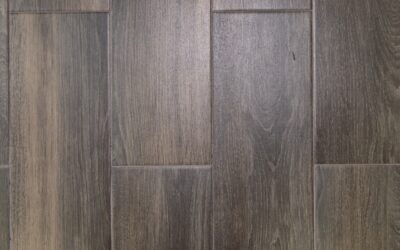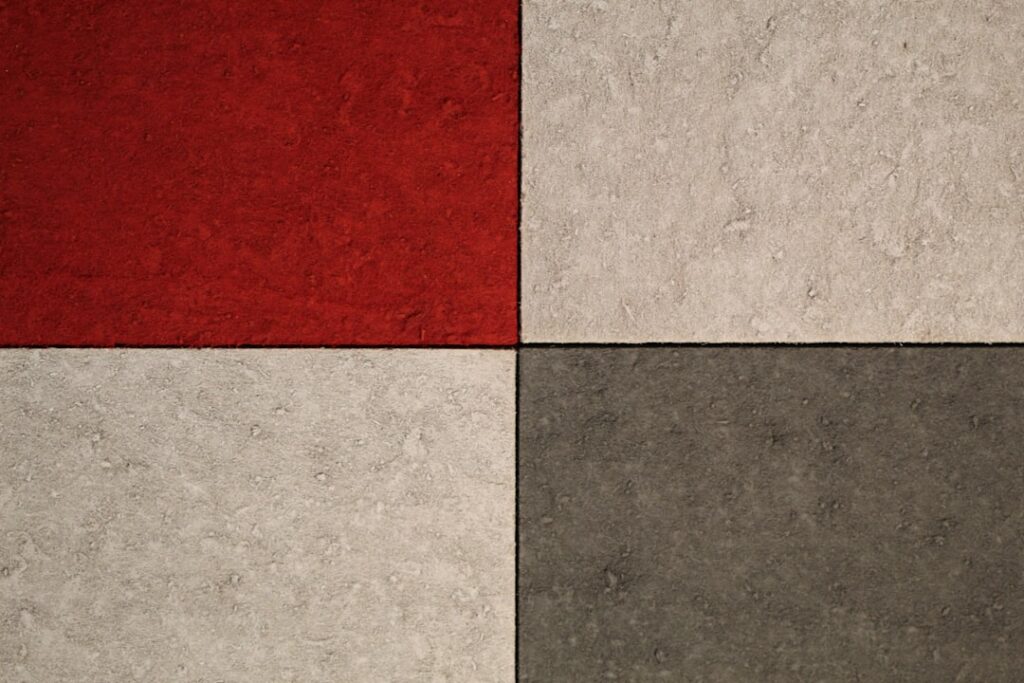
For kitchens, bathrooms, laundry rooms, and basements, vinyl linoleum sheet flooring remains one of the most practical and affordable choices on the market. Sold in wide rolls that cover a room with few or no seams, sheet flooring delivers water resistance, easy cleaning, and comfort underfoot at a price that undercuts almost every other option. But “vinyl” and “linoleum” are not actually the same material, and knowing the difference helps you choose the right product for your home.
Vinyl and Linoleum Are Not the Same Thing
People use the terms interchangeably, but they describe two distinct materials. Vinyl sheet flooring is made from synthetic PVC, with a printed design layer topped by a clear wear layer. Linoleum, by contrast, is made from natural materials, primarily linseed oil, cork dust, wood flour, and pine resin pressed onto a jute backing. Both come in sheet form and serve similar roles, which is why they get lumped together.
The practical differences matter. Vinyl is fully waterproof and typically cheaper, with the pattern printed on the surface. Linoleum is water-resistant rather than fully waterproof, and its color runs all the way through the material, so it resists showing scratches. Linoleum is also a more eco-friendly, biodegradable product, while vinyl wins on moisture resistance and price. When you shop for vinyl linoleum sheet flooring, check which material you are actually buying.
The Advantages of Sheet Flooring
The biggest draw is water resistance. Because sheet flooring comes in large continuous rolls, it can cover a whole bathroom or kitchen with few seams, and fewer seams means fewer places for water to sneak through to the subfloor. That makes it a standout choice for wet areas where tile grout would stain or laminate would swell.
Cost is the other headline advantage. Sheet vinyl often runs from about $0.50 to $2 per square foot for the material, among the cheapest flooring you can buy, while linoleum sits a bit higher at roughly $2 to $5 per square foot. Both are comfortable and quiet underfoot, softer than tile or wood, and forgiving on dropped dishes. Maintenance is minimal: a sweep and damp mop keeps either looking good, with no sealing or waxing required for modern vinyl.
The Drawbacks to Consider
Sheet flooring is not perfect. It can be punctured or torn by dragged furniture, dropped knives, or pet claws, and a serious gouge in a seamless sheet is hard to repair invisibly since you cannot just swap one plank. Heavy appliances and furniture legs can leave dents, so felt pads and caution when moving loads are wise.
There are aesthetic and value limits too. While printed designs have improved dramatically and can mimic wood or stone convincingly, sheet flooring rarely adds to home resale value the way hardwood or tile does, and higher-end buyers may see it as a builder-grade material. Vinyl is also a petroleum product, and cheaper versions can off-gas initially, so ventilating a newly installed room for a few days is a good idea. Linoleum, being softer, can be dented and needs occasional care to keep its finish.
Installation Options
Sheet flooring is installed a few different ways depending on the product and room. Fully adhered installations glue the entire sheet to the subfloor for the most secure, water-tight result, ideal for bathrooms. Perimeter-bonded and loose-lay sheet vinyl are secured only around the edges or held by their own weight, which makes them easier to install and remove but better suited to smaller or lower-moisture rooms.
The critical step in any method is subfloor preparation. Sheet flooring is thin and flexible, so it telegraphs every bump, nail head, and dip beneath it. A smooth, clean, dry, and level subfloor, sometimes with an added underlayment, is essential for a good-looking, long-lasting result. Because handling a large, floppy sheet and cutting precise room-edge fits is tricky, many homeowners hire a pro for large or complex rooms while tackling small, simple spaces themselves.
Choosing the Right Product
Start with the room and the moisture level. For a bathroom or laundry that sees standing water, waterproof vinyl sheet with a fully adhered installation is the safest bet. For a kitchen or family room where you want a natural, durable material and can accept slightly less moisture resistance, linoleum’s through-body color and eco credentials appeal.
Pay attention to the wear layer on vinyl, since a thicker wear layer resists scratches and traffic better and signals a longer-lasting product. Check the total thickness for comfort and the quality of the printed design for realism. Buy a little extra material to account for pattern matching and cutting waste, and keep a remnant for any future patch. Matching the product’s toughness to the traffic the room will see is the key to satisfaction.
Caring for Sheet Flooring
Part of the appeal of sheet flooring is how little upkeep it demands, but a few habits extend its life considerably. Sweep or vacuum regularly to remove grit, which acts like sandpaper on the wear layer over time, and wipe up spills promptly even though the surface is water-resistant. For routine cleaning, a damp mop with a mild floor cleaner is all most vinyl needs; avoid harsh abrasives and heavy scrubbing that can dull the finish.
Protect the surface from its main enemies: sharp objects and heavy point loads. Put felt pads under furniture legs, use a wide board when moving appliances so the load spreads out, and place mats at entry doors to catch grit and moisture. Linoleum benefits from an occasional coat of a compatible floor finish to renew its protective layer, while modern no-wax vinyl needs no such treatment. Following these simple steps keeps either material looking good and free of the gouges and dull spots that shorten a floor’s usable life.
Is Vinyl Linoleum Sheet Flooring Right for You?
For homeowners who want affordable, low-maintenance, water-resistant flooring in hardworking rooms, vinyl linoleum sheet flooring is hard to beat. It installs quickly, cleans easily, cushions your feet, and costs a fraction of tile or hardwood. The trade-offs are its vulnerability to punctures and its modest effect on resale value.
If you plan to stay in the home and want a practical, budget-conscious floor for a kitchen, bath, or basement, sheet flooring is a smart, sensible choice. If you are renovating to sell at a premium or want a floor that lasts a lifetime, you may prefer tile or hardwood in the main living areas and reserve sheet flooring for the utility spaces where its strengths shine brightest.
Prefer to explore on your own?
See how new flooring looks in your actual room in seconds — free, no signup.
Try the free Floor Studio →