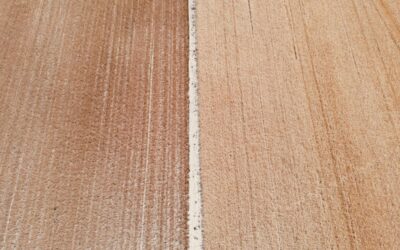
Vinyl plank vs engineered hardwood is one of the most common flooring debates among homeowners today. Both products look remarkably similar, install over most subfloors, and come in a wide range of wood-look styles. But beneath the surface, they differ in material composition, water resistance, longevity, and long-term value.
This guide breaks down the vinyl plank vs engineered hardwood comparison into the factors that actually matter — your budget, lifestyle (pets, kids, high traffic), which rooms you’re flooring, and your resale goals. By the end, you’ll know exactly which option fits your situation.
- Quick Side-by-Side Comparison
- What Is Vinyl Plank Flooring?
- What Is Engineered Hardwood?
- Cost Comparison
- Durability and Lifespan
- Water Resistance
- Appearance and Feel
- Installation
- Best for Pets and Kids
- Resale Value
- Room-by-Room Verdict
- 10-Year Cost Analysis
- Frequently Asked Questions
- Is vinyl plank as good as engineered hardwood?
- Can you tell the difference between vinyl plank and engineered hardwood?
- Does vinyl plank decrease home value?
- Can engineered hardwood handle dog scratches?
- Which lasts longer, vinyl plank or engineered hardwood?
- Can I mix vinyl plank and engineered hardwood in the same house?
- Is vinyl plank flooring toxic or off-gassing?
- Is engineered hardwood the same as laminate?
- How does laminate compare with vinyl plank and engineered hardwood?
- Is waterproof engineered hardwood as waterproof as vinyl plank?
- Can you install vinyl plank over engineered hardwood?
- The Bottom Line
Quick Side-by-Side Comparison
Before diving into the details, here is a high-level comparison of vinyl plank vs engineered hardwood across the most important decision factors.
| Factor | Vinyl Plank (LVP) | Engineered Hardwood | Winner |
|---|---|---|---|
| Material cost per sq ft | $2 – $7 | $4 – $14 | Vinyl plank |
| Installation cost per sq ft | $1.50 – $3 | $3 – $6 | Vinyl plank |
| Total installed cost | $3.50 – $10 | $7 – $20 | Vinyl plank |
| Water resistance | 100% waterproof | Water-resistant (not waterproof) | Vinyl plank |
| Durability (scratch resistance) | Good to excellent | Moderate to good | Vinyl plank |
| Lifespan | 15 – 25 years | 30 – 50+ years | Engineered hardwood |
| Refinishing | Not possible | 1 – 3 times | Engineered hardwood |
| Appearance/realism | Very good | Authentic real wood | Engineered hardwood |
| Underfoot feel | Softer, slightly hollow | Solid, natural warmth | Engineered hardwood |
| Resale value | Neutral | Positive | Engineered hardwood |
| DIY-friendliness | Easy (click-lock) | Moderate (click or glue) | Vinyl plank |
| Eco-friendliness | Low (PVC-based) | Moderate to high | Engineered hardwood |
What Is Vinyl Plank Flooring?
Vinyl plank flooring (also called luxury vinyl plank or LVP) is a synthetic flooring product made from multiple layers of PVC and polymers. The top layer features a high-resolution photographic image of wood grain protected by a clear wear layer measured in mils (thousandths of an inch). Higher-end LVP uses a rigid SPC (stone polymer composite) or WPC (wood polymer composite) core that provides stability and dent resistance.
Modern vinyl plank has advanced dramatically from the thin, peel-and-stick vinyl of previous decades. Today’s premium products feature embossed-in-register textures that align the surface texture with the printed grain, creating a remarkably realistic look and feel. Most LVP installs via a click-lock floating system that requires no glue or nails.
Learn more about vinyl plank in our complete LVP flooring guide.
What Is Engineered Hardwood?
Engineered hardwood consists of a real hardwood veneer (typically 1 mm to 6 mm thick) bonded to a plywood or HDF core. The cross-layered core construction gives engineered hardwood superior dimensional stability compared to solid hardwood, allowing installation over concrete slabs and in basements where solid wood would fail.
Because the top layer is genuine wood, engineered hardwood looks, feels, and sounds authentic. It can be sanded and refinished (the number of times depends on veneer thickness), and it develops the natural patina that only real wood provides over time. Premium engineered hardwood with a thick veneer is nearly indistinguishable from solid hardwood once installed.
Explore options in our engineered wood flooring guide.
Cost Comparison
Cost is often the primary driver in the vinyl plank vs engineered hardwood decision. Here is a detailed breakdown for a typical 1,000-square-foot installation.
| Cost Component | Vinyl Plank | Engineered Hardwood |
|---|---|---|
| Material (per sq ft) | $2.00 – $7.00 | $4.00 – $14.00 |
| Underlayment (per sq ft) | $0.25 – $0.50 (often attached) | $0.30 – $0.75 |
| Installation labor (per sq ft) | $1.50 – $3.00 | $3.00 – $6.00 |
| Trim and transitions | $150 – $400 | $200 – $600 |
| Total for 1,000 sq ft | $3,750 – $10,500 | $7,300 – $20,750 |
On average, vinyl plank costs 40% to 60% less than engineered hardwood for the same square footage. This gap narrows at the premium end, where high-end LVP ($6 to $7 per square foot) approaches the cost of entry-level engineered hardwood ($4 to $6 per square foot).
Durability and Lifespan
Vinyl plank excels at surface durability. The wear layer resists scratches, stains, and dents better than most wood species. A 20-mil or higher wear layer handles heavy residential traffic, pet claws, and dropped objects without showing damage. However, vinyl plank cannot be refinished — once the wear layer is compromised, the plank must be replaced.
Engineered hardwood is more susceptible to surface scratches and dents (depending on the wood species), but it offers a significant longevity advantage. A quality engineered floor lasts 30 to 50 years or more, and refinishing can restore it to like-new condition multiple times. A floor with a 4 mm veneer can typically be sanded and refinished 2 to 3 times.
The durability winner depends on your time horizon. For 10 to 15 years of worry-free use, vinyl plank wins. For multi-decade ownership with the ability to refresh the surface, engineered hardwood wins.
Water Resistance
This is where vinyl plank has an undeniable advantage. LVP is 100% waterproof — the core, surface, and backing will not swell, warp, or delaminate from water exposure. You can install vinyl plank in bathrooms, kitchens, laundry rooms, and basements without concern.
Engineered hardwood is water-resistant but not waterproof. The cross-layered core handles humidity fluctuations better than solid hardwood, but standing water will damage the veneer and can cause the plywood core to swell. Spills must be wiped up promptly, and engineered hardwood is not recommended for bathrooms or areas with frequent water exposure.
Appearance and Feel
Despite advances in printing and texturing technology, engineered hardwood still wins the appearance contest. Real wood grain has a depth, warmth, and variation that even the best LVP cannot fully replicate. The way light plays across a genuine wood surface, the subtle imperfections in grain pattern, and the natural feel underfoot all contribute to an authenticity premium.
That said, today’s premium vinyl plank is impressive. Visitors to your home are unlikely to notice the difference from normal viewing height. The gap is most noticeable when kneeling close to the surface or in rooms with abundant natural light where the photographic repeat pattern of vinyl may become apparent.
Underfoot, engineered hardwood feels solid and warm. Vinyl plank, especially SPC products, can feel slightly harder and may produce a subtle hollow sound when walked on, though quality underlayment minimizes this.
Installation
Both products install as floating floors using click-lock systems, though engineered hardwood offers additional installation methods.
| Installation Method | Vinyl Plank | Engineered Hardwood |
|---|---|---|
| Click-lock floating | Yes (most common) | Yes |
| Glue-down | Yes (some products) | Yes |
| Nail/staple down | No | Yes (to wood subfloors) |
| DIY difficulty | Easy | Moderate |
| Subfloor prep needed | Minimal (tolerates slight unevenness) | Moderate (must be flat) |
| Install over concrete | Yes | Yes (floating or glue only) |
| Install over radiant heat | Most products yes | Most products yes |
Vinyl plank is the easier DIY project. The planks are lightweight, cut with a utility knife or simple scoring tool, and the click-lock system is forgiving. Engineered hardwood planks are heavier, require a miter saw for cuts, and glue-down or nail-down methods demand more skill.
Best for Pets and Kids
For households with active dogs, cats, or young children, vinyl plank is the practical winner. Here is why:
- Scratch resistance: Dog nails and toy dragging are less likely to damage a quality wear layer
- Water resistance: Pet accidents, spilled sippy cups, and wet boots are non-issues
- Comfort: SPC vinyl is slightly softer underfoot than hardwood, reducing fatigue
- Replacement cost: If a plank is damaged, individual planks are inexpensive to replace
- Noise: Vinyl absorbs more impact sound than hardwood, reducing the echo of running feet and paws
Engineered hardwood works with pets and kids too — especially harder species like hickory or white oak — but it requires more vigilance. Felt pads on furniture, regular nail trimming for dogs, and prompt spill cleanup are essential.
Resale Value
Engineered hardwood consistently adds more to resale value. Real estate agents and appraisers recognize real wood flooring as a premium feature. According to the National Association of Realtors, hardwood flooring (solid or engineered) can add 2.5% to 3% to a home’s sale price and significantly speeds up selling time.
Vinyl plank is viewed as a neutral or slightly positive feature. It won’t hurt your resale value, but it rarely acts as a selling point the way hardwood does. In higher-end markets ($500K+), buyers may specifically expect real wood and view LVP as a drawback.
If you’re planning to sell within 5 years, engineered hardwood offers a better return. If you’re staying long-term and prioritize budget, vinyl plank’s lower upfront cost may matter more than its resale contribution.
Room-by-Room Verdict
The best choice in the vinyl plank vs engineered hardwood comparison often depends on the specific room.
| Room | Recommended Choice | Why |
|---|---|---|
| Living room | Engineered hardwood | Visual centerpiece of the home, resale impact |
| Kitchen | Vinyl plank | Water/spill resistance critical near sink and dishwasher |
| Bathroom | Vinyl plank | Fully waterproof, handles humidity and splashing |
| Bedroom | Either (preference) | Low moisture, low traffic — both perform well |
| Basement | Vinyl plank | Moisture and potential flooding make waterproof essential |
| Entryway/mudroom | Vinyl plank | Handles dirt, water, and heavy foot traffic |
| Dining room | Engineered hardwood | Formal space benefits from real wood elegance |
| Home office | Either | Chair mat recommended for both; appearance is preference |
| Laundry room | Vinyl plank | Water leaks and humidity make waterproof mandatory |
Many homeowners use both: engineered hardwood in the main living areas for elegance and vinyl plank in moisture-prone zones for practicality. When you select similar wood tones, the transition between the two can look seamless.
For a deeper comparison, see our guide on engineered hardwood vs LVP.
10-Year Cost Analysis
Upfront cost is only part of the equation. Here is what each flooring actually costs over a decade, calculated for a 1,000-square-foot installation using mid-range products.
| Cost Category | Vinyl Plank (10 Years) | Engineered Hardwood (10 Years) |
|---|---|---|
| Material + installation | $6,500 | $13,000 |
| Underlayment | $375 | $500 |
| Annual cleaning supplies | $30 x 10 = $300 | $50 x 10 = $500 |
| Professional deep clean (every 2 yrs) | $0 | $250 x 5 = $1,250 |
| Refinishing (year 8–10) | $0 (not possible) | $0 (not yet needed) |
| Replacement of damaged planks | $200 (estimated) | $400 (estimated) |
| 10-Year Total | $7,375 | $15,650 |
| Resale value added (estimated) | +$0 to +$2,000 | +$5,000 to +$10,000 |
| Net 10-Year Cost | $5,375 – $7,375 | $5,650 – $10,650 |
When you factor in resale value, the gap between the two narrows significantly. In premium housing markets, engineered hardwood can actually have a lower net cost over 10 years because of the resale value it adds. In starter homes or rental properties, vinyl plank remains the more economical choice.
Frequently Asked Questions
Is vinyl plank as good as engineered hardwood?
Vinyl plank outperforms engineered hardwood in water resistance, scratch resistance, and cost. Engineered hardwood wins in appearance, resale value, and longevity. Neither is universally “better” — the right choice depends on your priorities, budget, and where you’re installing.
Can you tell the difference between vinyl plank and engineered hardwood?
From standing height, most people cannot tell the difference between premium LVP and engineered hardwood. The difference becomes noticeable up close — real wood has a depth and variation to its grain that printed vinyl cannot fully replicate. The underfoot feel also differs, with wood feeling warmer and more solid.
Does vinyl plank decrease home value?
Vinyl plank does not decrease home value. It is considered a neutral to slightly positive feature by most buyers and appraisers. However, it does not add value the way real hardwood does, especially in higher-end markets where buyers expect genuine wood.
Can engineered hardwood handle dog scratches?
Engineered hardwood can handle dogs, but harder species like hickory (Janka 1,820) or white oak (Janka 1,360) resist scratches better than softer species like pine or walnut. Wire-brushed or hand-scraped textures help hide minor scratches. Keeping dog nails trimmed is the most effective prevention.
Which lasts longer, vinyl plank or engineered hardwood?
Engineered hardwood lasts 30 to 50+ years with the ability to refinish multiple times. Vinyl plank lasts 15 to 25 years and cannot be refinished. Over a 40-year homeownership period, you may replace vinyl plank twice while engineered hardwood may only need one refinishing.
Can I mix vinyl plank and engineered hardwood in the same house?
Yes, this is a popular strategy. Many homeowners install engineered hardwood in living areas, dining rooms, and bedrooms for the aesthetic appeal, and vinyl plank in kitchens, bathrooms, basements, and laundry rooms for moisture protection. Choose similar wood tones for visual continuity.
Is vinyl plank flooring toxic or off-gassing?
Modern vinyl plank from reputable manufacturers meets strict indoor air quality standards (FloorScore or GreenGuard certified). Early vinyl products contained high levels of phthalates, but current formulations have largely addressed these concerns. If you’re sensitive, look for phthalate-free and FloorScore-certified products.
Is engineered hardwood the same as laminate?
No, engineered hardwood has a real wood veneer bonded over a plywood or fiberboard core, while laminate uses a printed photo layer under a clear wear coat. That real wood top is why engineered hardwood can be sanded and refinished, usually once or more depending on veneer thickness, and laminate cannot. Laminate typically costs less and resists scratches better.
How does laminate compare with vinyl plank and engineered hardwood?
Laminate sits between the two on price and feel, with a hard, scratch-resistant surface and a firmer, more wood-like sound than vinyl. Vinyl plank leads on water resistance, since most laminate is only water resistant, while engineered hardwood leads on authenticity and resale appeal. Laminate suits dry living areas on a budget; vinyl suits wet rooms and basements.
Is waterproof engineered hardwood as waterproof as vinyl plank?
Not quite, because waterproof engineered hardwood still has a real wood veneer that can be damaged by water left sitting on it, even when the core and joints are sealed. Its warranty usually covers surface spills cleaned up within a set time. Vinyl plank is waterproof through the whole plank, so it remains the safer pick for full bathrooms, laundry rooms, and basements.
Can you install vinyl plank over engineered hardwood?
Yes, floating vinyl plank can go over engineered hardwood that is flat, firmly attached, and free of water damage or soft spots. Clean the old floor, fix any loose boards, and check door clearances and transitions, since the floor height goes up. Skip it over a cupped or uneven floor, because the planks show every dip underneath and joints can separate.
The Bottom Line
The vinyl plank vs engineered hardwood decision comes down to three questions. First, what is your budget — if funds are limited, vinyl plank delivers excellent performance at a lower price. Second, where are you installing — moisture-prone rooms strongly favor vinyl plank. Third, what are your long-term goals — if resale value and multi-decade longevity matter, engineered hardwood is the better investment.
Many homeowners find the best answer is “both” — engineered hardwood where it will be seen and appreciated, vinyl plank where it will be tested by water, pets, and daily life. This hybrid approach maximizes both beauty and practicality throughout the home.
Prefer to explore on your own?
See how new flooring looks in your actual room in seconds — free, no signup.
Try the free Floor Studio →