Vinyl plank has quietly become the default floor in American remodels, and for good reason. When people search for vinyle plank, they’re usually looking for a floor that survives kids, dogs, and the occasional spilled water glass without the price or fuss of hardwood. After installing luxury vinyl plank in kitchens, basements, and rental units, I’ve seen it hold up where engineered wood would have warped. Here’s what you actually need to know before you buy.
- What Vinyl Plank Flooring Is
- Understanding the Core: SPC vs WPC
- Wear Layer: The Spec That Predicts Longevity
- What It Really Costs
- Installation Methods
- Where Vinyl Plank Shines
- The Trade-Offs
- How to Choose the Right Product
- Maintenance That Keeps It Looking New
- Vinyl Plank vs the Alternatives
- The Bottom Line
What Vinyl Plank Flooring Is
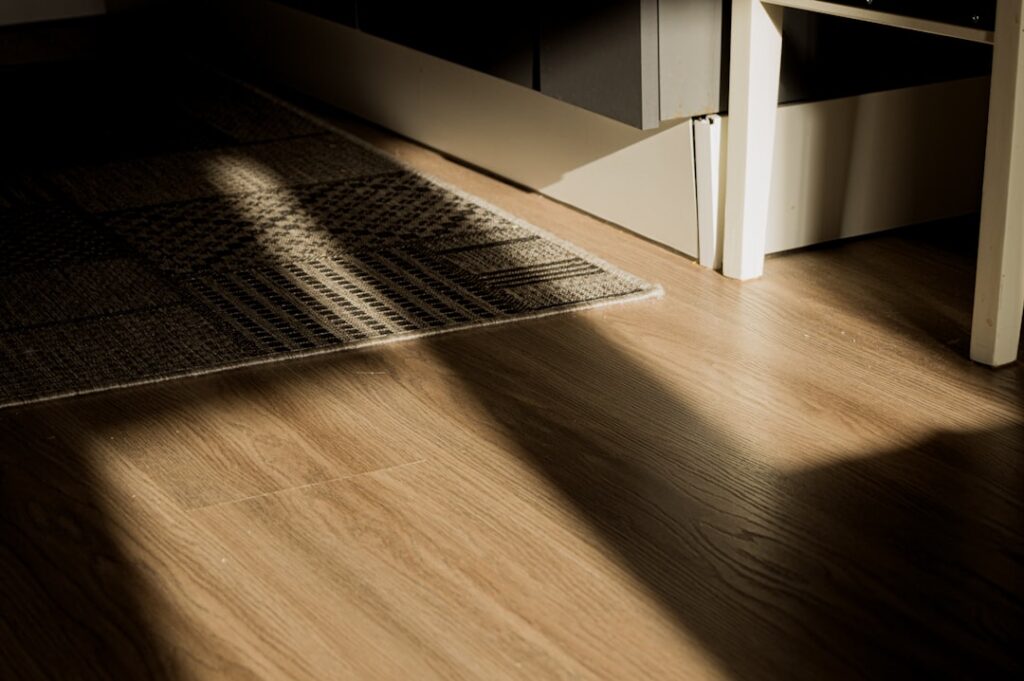
Luxury vinyl plank, often shortened to LVP, is a multi-layer synthetic flooring made to look like wood. A printed photographic film sits under a clear wear layer, all bonded to a rigid or flexible core. The result is a plank that mimics oak, hickory, or walnut grain convincingly while being fully waterproof. Modern embossing even adds texture you can feel along the grain.
Understanding the Core: SPC vs WPC
The core is the single most important spec, because it determines stability, comfort, and price.
- SPC (stone plastic composite): A dense limestone-and-PVC core that’s extremely rigid and dent-resistant. It feels harder underfoot, handles temperature swings well, and is ideal over uneven subfloors or in sunrooms. Expect $2.50 to $5 per square foot.
- WPC (wood plastic composite): A foamed core that’s slightly softer and warmer to walk on, with a bit more cushion. It runs $3 to $6 per square foot and feels more forgiving in living spaces.
For most busy homes, I lean SPC. It shrugs off dropped pans and pet claws better, though WPC wins on quiet, comfortable feel.
Wear Layer: The Spec That Predicts Longevity
The clear top layer is measured in mils (thousandths of an inch), and it’s what stands between your floor and daily abrasion.
- 6 mil: Light residential use, low-traffic bedrooms.
- 12 mil: A solid all-around choice for family homes.
- 20 to 28 mil: Heavy traffic, rentals, and light commercial.
Don’t confuse wear layer with overall thickness. A 5mm plank with a 20 mil wear layer will outlast a 6mm plank with a 6 mil layer every time.
What It Really Costs
Material for quality vinyl plank typically lands between $2 and $6 per square foot. Add underlayment if it isn’t pre-attached, usually $0.30 to $0.50. Professional installation runs $1.50 to $4 per square foot depending on subfloor prep. A 300 square foot room installed often totals $1,500 to $2,800. DIY-friendly click-lock systems can cut that nearly in half if you’re handy.
Installation Methods
Vinyl plank comes in two main install styles.
- Click-lock (floating): Planks snap together and float over the subfloor without glue. This is the DIY favorite and forgives minor subfloor flaws.
- Glue-down: Planks adhere directly to the subfloor. It’s more stable for large commercial spaces and high heat but demands a flatter, cleaner substrate.
Whatever method you choose, let the boxes acclimate in the room for 48 hours, leave a 1/4 inch expansion gap at the walls, and make sure the subfloor is flat within 3/16 inch over 10 feet.
Where Vinyl Plank Shines
Because it’s waterproof, vinyl plank is one of the few wood-look floors you can confidently install in basements, kitchens, bathrooms, and laundry rooms. It’s quieter than tile, warmer than stone, and far more forgiving on dropped dishes. In a basement with potential moisture, an SPC plank over a vapor barrier is hard to beat.
The Trade-Offs
Vinyl plank isn’t perfect. It can fade under intense direct sunlight without UV protection, so use curtains in south-facing rooms. Sharp objects and heavy furniture without floor protectors can gouge the surface. And while it looks great, it won’t add the resale value that genuine hardwood brings to higher-end homes. Heat from radiant systems must also be capped, usually around 85°F, to prevent expansion.
How to Choose the Right Product
Match the spec to the room. For a high-traffic entry or a rental, pick SPC with a 20 mil or thicker wear layer. For a cozy bedroom, WPC with a 12 mil layer offers comfort underfoot. Always order 7 to 10 percent extra for cuts and future repairs, and buy from a single batch to avoid shade variation. Request a sample and view it in your room’s actual lighting before committing, since photographic films can look different under warm versus cool bulbs.
Maintenance That Keeps It Looking New
One of vinyl plank’s quiet advantages is how little upkeep it demands. Sweep or vacuum regularly using a hard-floor setting to keep grit from scratching the surface, and damp-mop with a pH-neutral cleaner when needed. Avoid steam mops and abrasive pads, which can degrade the wear layer over time. Place felt pads under furniture legs, use rugs in high-traffic entryways to trap dirt, and clean up spills promptly even though the floor is waterproof. With this routine, a quality vinyl plank floor stays sharp for two decades or more.
Vinyl Plank vs the Alternatives
It helps to know where vinyl plank wins and where another floor might serve you better. Against laminate, vinyl plank is fully waterproof while laminate’s wood-fiber core can swell when wet. Against engineered hardwood, vinyl is cheaper and more water-tolerant but won’t refinish or add the same resale value. Against tile, vinyl is warmer, quieter, and softer underfoot, though tile is harder and handles extreme heat better. For most busy households balancing budget, durability, and looks, vinyl plank lands in the sweet spot.
The Bottom Line
Vinyl plank delivers waterproof, wood-look durability at a price most homeowners can manage. Focus on the core type and the wear layer thickness rather than the marketing name, prep your subfloor properly, and maintain it with simple care. Do that, and you’ll get a floor that looks sharp and survives real life for 15 to 25 years.
Prefer to explore on your own?
See how new flooring looks in your actual room in seconds — free, no signup.
Try the free Floor Studio →