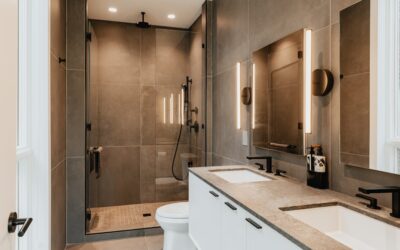
Small bathrooms force a hard choice: keep the tub for resale and the occasional soak, or rip it out for a spacious walk-in shower you will actually use every day. A walk in shower bath solves that dilemma by combining both in a single footprint, giving you a deep bathing area at one end and an open, generous showering space at the other. It is one of the smartest layouts for a family bathroom or a compact home, and understanding the design variations helps you get the mix of comfort, safety, and value right.
Part of our Bathroom Remodeling & Flooring guide — explore the full guide →
What Exactly Is a Walk-In Shower Bath
The term covers a few related but distinct configurations, so it is worth clarifying what people mean. Most commonly, a walk-in shower bath is an L-shaped or wider-than-standard bathtub with a large integrated glass screen instead of a curtain, designed so one end functions as a comfortable step-in shower while the other end still holds water for a bath. The bathing well is often shorter and deeper than a standard tub, and the shower end is squared off and widened to give you room to stand and move.
A separate product also carries the name: the walk-in bathtub with a watertight door, aimed at accessibility, which lets a bather step in through a low threshold rather than climbing over a high tub wall. Both serve the goal of easier, safer bathing, but they solve different problems.
The Space-Saving Advantage
The core appeal is fitting two functions into the space of one. In a bathroom too small for a separate tub and shower stall, a combo unit delivers both without the cramped compromise. This makes it especially valuable in:
- Family homes where children need a tub for baths but adults prefer a quick shower
- Homes with a single bathroom, where removing the tub entirely can hurt resale value since many buyers want at least one tub
- Compact urban bathrooms and apartments where every square foot counts
- Guest bathrooms that need to flex between uses
Keeping a bathing option in the home is also a genuine resale consideration. Real estate wisdom holds that a house should retain at least one bathtub, and a walk-in shower bath satisfies that without sacrificing a modern, open shower experience.
Popular Design Configurations
Several layouts dominate, each with its own strengths.
- L-shaped shower bath: The most common. The tub bows outward at the shower end, creating a wider standing area, paired with a fixed glass panel. Comfortable to shower in and still fully functional as a bath.
- P-shaped shower bath: Similar concept with a curved bulge at the showering end, offering a softer, more contemporary look and slightly more elbow room.
- Straight extra-wide tub: A standard rectangular tub built wider than normal with a glass screen, the simplest and most budget-friendly version.
- Walk-in tub with door: The accessibility-focused unit with a sealing door and often a built-in seat, hydrotherapy jets, and grab bars. Best for aging in place and limited mobility.
Glass Screens vs. Curtains
The screen choice defines both the look and the practicality. A fixed or hinged glass panel is the hallmark of the modern shower bath, keeping water contained while preserving the open, airy feel that makes the space read larger. Framed glass is sturdy and economical; frameless glass looks sleek and high-end but costs more and needs precise installation. A hinged section can fold flat against the wall to ease access to the tub for cleaning or bathing a child.
Curtains remain the cheapest option and work fine, but they lack the clean look and reliable splash control of a glass screen, and they need regular replacement as they mildew.
Safety Features to Consider
Any combined tub-shower has one inherent challenge: you step over a tub wall onto a surface that can be wet and slick. Building in safety pays off, especially in a household with children or older adults:
- Slip-resistant tub floor: Choose a model with a textured base or add adhesive traction strips.
- Grab bars: Install bars anchored into in-wall blocking, not just drywall, at the entry and inside the bathing area.
- A low or walk-in threshold: If accessibility is a priority, the door-style walk-in tub lowers the step-over height dramatically.
- Anti-scald valve: A pressure-balancing or thermostatic mixing valve prevents sudden temperature spikes.
- A built-in or fold-down seat: Useful for shaving, bathing children, or anyone who needs to sit.
What It Costs
Pricing spans a wide range depending on the type and finish level. A straightforward L-shaped or extra-wide shower bath unit runs $500 to $1,500 for the tub and screen alone, with a full installed remodel including plumbing, tiling, and a glass panel landing around $3,000 to $8,000. Accessibility-focused walk-in tubs with doors, seats, and jets are considerably more, often $5,000 to $15,000 installed, reflecting the sealed door mechanism, faster-fill plumbing, and therapy features.
Installation complexity drives much of the cost. Swapping a like-for-like unit where the plumbing already exists is far cheaper than relocating drains or converting from a shower stall.
Installation Considerations
A few practical points shape a successful project. Verify your bathroom dimensions and doorway clearances against the unit, since wider combo tubs may not fit through a standard door in one piece. Confirm your floor structure can carry the weight of a filled tub, especially for deep soaking or walk-in models, which can hold significant water. Plan the drain and supply locations, and remember that door-style walk-in tubs need the bather to sit inside while the tub fills and drains, which requires a fast-fill faucet and quick-drain system to keep the wait comfortable.
For most homeowners this is a project for a professional plumber and tile installer, though a handy DIYer can manage a drop-in unit replacement in an existing alcove.
Materials and Finishes to Consider
The material of the tub and surround affects durability, cleaning, and cost. Here are the common choices and how they perform:
- Acrylic: The most popular for combo units. Lightweight, warm to the touch, easy to clean, and available in many shapes. It resists chipping and holds heat well, though it can scratch and flex if poorly supported.
- Fiberglass (FRP): The budget option, lighter and cheaper than acrylic but less durable, more prone to fading and cracking over time.
- Steel or cast iron: Extremely durable and rigid with a classic feel, but heavy, which matters for floor support, and cold until the water warms them.
- Tiled surrounds: Pairing an acrylic tub with a fully tiled wall surround gives a custom, high-end look, though the grout requires more maintenance than a molded panel.
For the glass screen, tempered safety glass is standard, with thicker panels feeling more substantial. Look for a protective coating that resists water spots and soap scum, which dramatically cuts down on cleaning.
Cleaning and Upkeep
A combined tub-shower sees heavy daily use, so easy maintenance pays off. Wipe down the glass screen after showers with a squeegee to prevent hard-water spots and soap scum, which are far easier to prevent than to scrub off later. Clean the tub surface with a non-abrasive cleaner suited to your material, since harsh scrubbers dull acrylic and fiberglass. Keep the drain clear of hair, and check the seal along the glass panel and the tub-to-wall joint periodically, resealing with fresh silicone caulk when you notice any gaps or discoloration. Staying ahead of caulk and seal maintenance is the single best way to prevent water damage behind the unit, which is the most costly problem a shower bath can develop.
Is It the Right Choice for You?
A walk-in shower bath is the ideal answer when you want both bathing and showering but lack the room for two separate fixtures, when you need to preserve a tub for resale, or when accessibility and everyday convenience both matter. Pick the L-shaped or P-shaped combo for a stylish, space-efficient family solution, or the door-style walk-in tub when safe, low-threshold entry is the priority. Add slip resistance and grab bars regardless of which you choose. The result is a bathroom that flexes to every need in a footprint that would otherwise force a compromise.