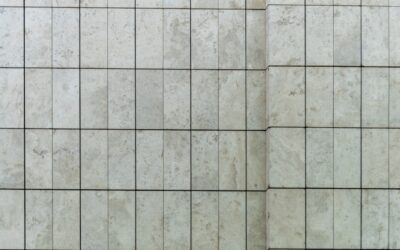
A single accent wall can transform a room more dramatically than a whole new paint job, and tile is the material that makes it permanent. Wall decoration tiles range from glossy subway tiles in a kitchen backsplash to hand-painted Moroccan zellige in an entryway, and they do far more than protect a wall from splashes. They add texture, color, and a focal point that paint simply cannot match. This guide walks through the styles, materials, where each works best, and what you should budget for a standout tiled wall.
Part of our Tile & Grout guide — explore the full guide →
What Makes Wall Tiles Different from Floor Tiles
Wall tiles are engineered for appearance, not foot traffic. They are usually thinner, lighter, and often more porous than floor tile because they never bear weight or take abrasion. That means you can use delicate glass, polished ceramic, and decorative finishes on a wall that would never survive on a floor.
The reverse is not always true. Floor-rated tile can go on a wall, but a thin wall tile should never go on a floor. Always check the manufacturer’s intended use before buying, especially if you are mixing materials in one space.
Popular Wall Tile Styles
Decorative wall tile spans a huge range of looks. The most common families are:
- Subway tile: The classic 3×6-inch rectangle, timeless in white but available in colors and finishes. Endlessly versatile, $2 to $10 per sq ft.
- Mosaic tile: Small tiles on mesh sheets, in glass, stone, or ceramic, perfect for backsplashes and feature strips, $5 to $30 per sq ft.
- 3D and textured tile: Sculpted surfaces that cast shadow and create depth on a feature wall, $8 to $40 per sq ft.
- Zellige and handmade tile: Irregular, glazed clay tiles with rich color variation for an artisan look, often $15 to $50 per sq ft.
- Patterned/encaustic-look: Bold printed patterns that act like wallpaper in tile form.
Choosing the Right Material
Material affects both look and where the tile can go. Ceramic and porcelain are the workhorses: affordable, water-resistant, and available in countless finishes. Glass tile reflects light and brightens dark spaces but shows fingerprints and water spots. Natural stone like marble or travertine brings organic veining and luxury, but it is porous and needs sealing, especially near water.
Metal and mirrored tiles add a modern accent in small doses, while handmade clay tiles deliver depth and imperfection that mass-produced tile cannot. Match the material to the moisture level of the room and the maintenance you are willing to do.
Where to Use Decorative Wall Tiles
Some rooms are natural homes for tiled walls. Kitchen backsplashes are the most popular, protecting the wall behind the counter and stove while serving as a design centerpiece. Bathrooms use wall tile in showers, around tubs, and as full accent walls because it is waterproof and easy to clean.
Beyond the obvious, designers increasingly tile entryway feature walls, fireplace surrounds, laundry rooms, and even a single dining-room accent wall. A bold patterned or 3D tile concentrated on one wall reads as intentional and high-impact, while tiling every wall can feel overwhelming.
Cost and Installation Considerations
Budget for the tile plus labor, and remember that intricate work costs more. Material ranges from $2 per sq ft for basic ceramic subway to $50 per sq ft for handmade or natural stone. Professional installation typically adds $7 to $15 per sq ft, and mosaics, herringbone layouts, and stone all push labor toward the high end because they are slower to set.
Factor in trim pieces, bullnose edges, and the right grout. A contrasting grout makes patterns pop, while a matching grout creates a seamless field. For showers and backsplashes, use a mildew-resistant grout and seal any natural stone before and after grouting.
Pros and Cons of Tiled Feature Walls
The upside is substantial: tile is permanent, waterproof where it counts, easy to wipe clean, and capable of design effects no paint or wallpaper can achieve. A well-chosen accent wall can lift the perceived value of a kitchen or bath and last for decades without fading.
The downsides come down to cost and commitment. Tile is more expensive and labor-intensive than paint, removing it later means demolition and wall repair, and trends can date a bold choice. Grout lines also need occasional cleaning, and glossy or glass tiles show water spots. Choosing a classic style for large areas and saving bold patterns for small accents hedges against trends.
Design Tips Before You Buy
Order physical samples and view them in your room’s actual light, because screens and showrooms lie about color. Consider the tile size relative to the wall; large-format tiles suit big walls with fewer grout lines, while small mosaics enrich a compact backsplash. Lay out a few rows dry before committing to the layout, and always order 10% extra for cuts and future repairs.
Layout Patterns That Add Interest
The way you arrange tiles is as important as the tile itself. The same subway tile reads completely differently depending on the pattern:
- Stacked: Tiles aligned in a clean grid for a modern, minimal look.
- Brick/offset: The traditional 50% staggered layout, timeless and forgiving.
- Herringbone: Angled zigzag that adds energy and a designer feel.
- Vertical stack: Subway tiles run upright to draw the eye up and make ceilings feel taller.
Maintenance and Longevity
Most wall tile is easy to live with. Wipe glazed ceramic, porcelain, and glass with a damp cloth and mild cleaner; they resist stains and moisture well. The grout lines need the most attention, so seal cement grout in wet areas and clean it periodically to prevent mildew and discoloration.
Natural stone tiles like marble and travertine need extra care, including sealing and pH-neutral cleaners, since acids etch the surface. With the right style and a clean install, wall decoration tiles give you a durable, eye-catching focal point that elevates the whole room and lasts for decades with minimal upkeep.
Prefer to explore on your own?
See how new flooring looks in your actual room in seconds — free, no signup.
Try the free Floor Studio →