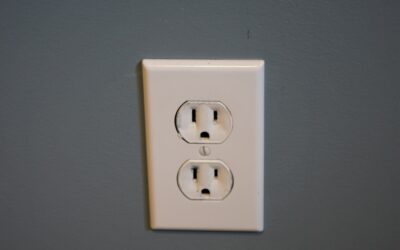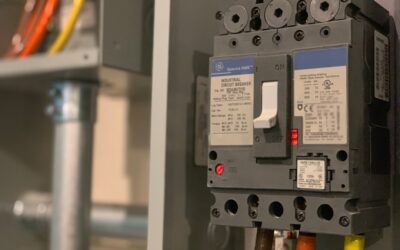
You load the washer, press start, and a few minutes later the machine goes silent mid-cycle with a full drum of water. A washing machine tripping GFCI outlet is one of the most common laundry-room complaints, and it usually means one of three things: the washer is leaking a small amount of current through a worn heater, motor, or wiring harness; the GFCI device itself is old or overly sensitive; or moisture is getting into the outlet or cord. The good news is that you can narrow it down in under an hour without opening any walls.
Resist the urge to swap the GFCI for a standard outlet. Recent editions of the National Electrical Code require GFCI protection for receptacles in laundry areas, and the reason is simple: washers combine water, metal cabinets, and people standing on concrete floors. A trip is often the GFCI doing its job, flagging an appliance that has started to leak current before that leakage finds a path through you.
This guide walks through why washers trip GFCIs, a step-by-step isolation process, the fixes that work, and the point where you should hand the problem to an appliance technician or a licensed electrician.
Why a Washing Machine Tripping GFCI Happens
A GFCI trips when it sees roughly 4 to 6 milliamps of difference between the current leaving on the hot wire and returning on the neutral. Any current that leaks to the machine’s grounded cabinet, or anywhere else, creates that imbalance. Washers have several common leakage sources:
- Water heating elements. Many front-load washers have an internal heater to boost water temperature for sanitize cycles. As the element’s sheath corrodes or develops pinholes, current leaks through minerals and water to the grounded tub. Trips that happen when the machine fills and starts heating point strongly to the heater.
- Drive motors. Motors have windings insulated by varnish that breaks down with heat and age. A worn motor, moisture on the windings, or a failing motor control board can leak current, often tripping at spin or agitation.
- Drain pumps. Pumps sit at the lowest point of the machine and sometimes get splashed. A leaking pump seal can wet the pump motor and trip the GFCI during the drain phase.
- Wiring harness and connectors. Hoses that drip onto a harness, rodent-chewed wires, and loose connectors near the bottom of the cabinet create leakage paths.
- Power cord damage. A cord that has been pinched when the washer was pushed back against the wall can have compromised insulation.
- Electromagnetic filters. Modern washers with inverter-driven motors contain filters that intentionally route a small current to ground. On an older or very sensitive GFCI, that normal leakage can add up to nuisance trips.
Outside the washer, moisture inside the receptacle box, an aging GFCI that has become oversensitive, or other loads sharing the same GFCI circuit can also cause a washer tripping GFCI pattern.
GFCI for Washing Machine Circuits: What Code Says
Recent NEC editions require GFCI protection for 125-volt receptacles in laundry areas, and newer editions extend GFCI requirements to many 240-volt receptacles as well, which can affect dryers. The washer typically sits on a dedicated 20-amp laundry circuit. Protection can come from a GFCI receptacle at the washer, a GFCI breaker, or a dual-function AFCI/GFCI breaker, since laundry areas also generally require arc fault protection under current editions.
Some older homes have a single, non-GFCI receptacle behind the washer that was legal when installed. You are generally not required to upgrade it until you replace it or remodel, but installing a GFCI for washing machine protection is a worthwhile upgrade. Check your local building department for permit rules, since jurisdictions adopt code editions on their own schedules.
Tools You Will Need
- A plug-in GFCI outlet tester
- Non-contact voltage tester
- Flashlight and a towel for checking under and behind the machine
- Screwdrivers for the outlet cover
- Replacement 20-amp GFCI receptacle if the device proves faulty
- Your washer’s manual or model number for error codes and parts lookup
How to Find the Cause Step by Step
- Note when it trips. Write down the phase: immediately on plug-in, during fill, during heating, during agitation, during spin, or during drain. Timing is your best diagnostic clue.
- Check for moisture first. Unplug the washer. Look for water under the machine, on the cord, and around the outlet box. Dry everything and fix leaking hoses or fill valves before going further.
- Test the GFCI with nothing plugged in. Reset the GFCI and plug in a GFCI outlet tester. Press its test button; the GFCI should trip and then reset cleanly. If the GFCI trips on its own with nothing connected, the device or the circuit wiring is the problem.
- Look for other loads. Check whether the same GFCI also protects other outlets, such as a garage or bathroom. Unplug anything else on that circuit and run the washer alone.
- Try the washer on another GFCI circuit. Run the washer on a different GFCI-protected outlet rated for the load, such as a nearby 20-amp garage or kitchen receptacle, using the machine’s own cord and no extension cord. If it trips there too at the same point in the cycle, the washer is the fault. If it runs normally, suspect the original GFCI.
- Replace an aging GFCI. GFCIs made before the mid-2000s often lack modern filtering and can become sensitive. Turn off the breaker, confirm power is off with a non-contact voltage tester, and replace the device with a new 20-amp GFCI, connecting LINE wires to LINE terminals. Test with the plug-in tester after installation.
- Run a diagnostic cycle. Many washers have a service or diagnostic mode described in the manual or on a tech sheet inside the cabinet. Error codes can point directly to the heater, pump, or motor.
When the Machine Is the Fault
If your washing machine GFCI tripping follows the machine to a second circuit, the washer is leaking current. Match the trip timing to the likely component:
- Trips during fill or heat: Heating element or thermistor wiring. Heaters on front-loaders are replaceable parts, typically accessed from the rear or front panel.
- Trips during agitation or spin: Drive motor, motor control board, or harness chafing near moving parts.
- Trips during drain: Drain pump motor, often from a leaking seal.
- Trips instantly on plug-in: Cord damage, a failed noise filter, or water in the control area.
Testing individual components involves unplugging the washer and measuring insulation resistance or continuity with a meter, which is appliance-repair work. Always unplug the machine before removing any panel; washers can hold capacitor charge in motor controls for a short time, so follow the manufacturer’s service instructions. Many homeowners prefer to hand this step to an appliance technician, especially for heater and motor faults.
Fixes That Work and Fixes to Avoid
Most cases of a washing machine tripping GFCI protection end with one of a handful of repairs. They are straightforward: dry out the area, repair leaks, replace a worn GFCI, keep the washer on its own dedicated circuit, and replace failing washer components. If your washer is older than about 10 to 12 years and needs a motor or control board, compare the repair quote to replacement.
Avoid these shortcuts:
- Replacing the GFCI with a standard outlet. It removes required shock protection and hides a real fault.
- Using an extension cord to reach a non-GFCI outlet. Most washer manufacturers prohibit extension cords, and it defeats the protection.
- Removing the ground prong or using a cheater adapter. The washer’s cabinet needs its ground.
- Installing a higher-amp breaker to stop trips. A GFCI trip has nothing to do with breaker size, and oversizing a breaker creates a fire hazard.
Typical Costs
Fixing a washing machine tripping GFCI problem can cost almost nothing or several hundred dollars, depending on the cause. A new 20-amp GFCI receptacle usually costs about $20 to $35, and an electrician visit to replace one typically runs $100 to $250. Heating elements for front-load washers often cost roughly $40 to $150 for the part, with appliance-technician labor adding a service call plus an hourly charge. Drain pumps usually fall in a similar parts range, while motors and motor control boards can reach several hundred dollars installed. Adding a dedicated laundry circuit with GFCI and AFCI protection is electrician work and varies widely based on panel location and access.
When to Call a Licensed Professional
Turn off the breaker and confirm power is off with a non-contact voltage tester before touching any outlet wiring, and unplug the washer before any inspection behind or under it. Never work on energized wires. Call a licensed electrician when:
- The GFCI trips with nothing plugged in, or a new GFCI trips the same way.
- The washer shares a circuit with other rooms and needs a new dedicated laundry circuit.
- You need a GFCI or dual-function breaker installed in the panel.
- You find scorch marks, melted insulation, aluminum branch wiring, or water inside the outlet box.
- Your jurisdiction requires a permit for circuit work.
Call an appliance repair technician when the trip follows the washer to another circuit, and a licensed plumber when a supply valve, drain standpipe, or water line behind the machine is leaking. Shut off the water supply valves before disconnecting any hoses.
Frequently Asked Questions
Is it normal for a new washer to trip a GFCI?
It is not normal, but it does happen with older GFCIs and inverter-drive washers that have filters leaking small amounts of current to ground. Replacing an old GFCI with a new model usually solves it. If a new GFCI still trips, contact the manufacturer.
Does a washing machine need a GFCI outlet?
Under recent NEC editions, receptacles in laundry areas require GFCI protection. It can come from a GFCI receptacle, a GFCI breaker, or a dual-function breaker.
Why does my washer trip the GFCI only on the spin cycle?
Spin draws the most motor current and shakes the machine hardest, which exposes worn motor insulation, chafed harness wires, or loose connectors. Have the motor and harness checked.
Can a bad GFCI cause washer tripping?
Yes. GFCIs wear out and can become oversensitive. If the washer runs fine on another GFCI circuit, replace the original device.