A burst supply line can dump 8 to 15 gallons of water into your home per minute, which means every minute spent hunting for the shutoff costs you drywall, flooring, and furniture. Knowing your water shut off valve location before an emergency is one of the cheapest pieces of insurance a homeowner can have, and finding it takes ten minutes on a calm Saturday. The main valve’s position follows predictable patterns based on how your house was built and what climate it sits in. Here is where to look, what the valve looks like, and what to do once you find it.
Start With the Logic: Follow the Water In
Every home has one main shutoff on the house side of the water service, and it almost always sits where the supply line first enters the building. Water lines are buried below the frost line and enter on the side of the house facing the street, since that is where the utility main runs. So the search area is small: the street-facing wall, low to the ground, near where you would expect a pipe to come through the foundation. In cold climates the valve is indoors to keep it from freezing; in warm climates it is often outside. That single climate distinction explains most of the variation between homes.
Homes With Basements
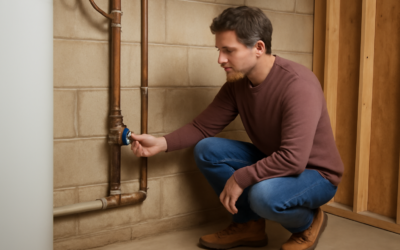
In a basement home, the main valve is typically on the front foundation wall — the wall facing the street — within 3 to 5 feet of where the water line pokes through the concrete, usually 2 to 4 feet off the floor. Look near the water meter if your meter is indoors: standard setups put a valve on the street side of the meter, and often a second valve on the house side (use the house side one; the street-side valve belongs to the utility). If the front wall search comes up empty, check near the water heater and the utility area, since some builders run the service to the mechanical room before branching.
Crawl Space Homes
Crawl space houses hide the valve in one of two places. Best case, the builder stubbed it up into living space for accessibility — check under the kitchen sink, in a utility closet, near the water heater, or in a garage wall. Otherwise, it is in the crawl space itself, usually within a few feet of the access hatch or where the supply line enters the foundation on the street side. Bring a flashlight and knee pads, and once you find it, consider paying a plumber $150 to $400 to relocate or extend the valve to an accessible spot — a valve you cannot reach in 60 seconds barely counts as an emergency shutoff.
Slab-on-Grade Homes
With no basement or crawl space, slab homes route the service up through or beside the slab, and the valve typically appears in one of these spots:
- Near the water heater — often in the garage or a utility closet, where the supply first becomes visible.
- Under the kitchen or a bathroom sink nearest the street side of the house.
- In a garage wall, sometimes behind an access panel.
- Outside, near the hose bib on the street-facing wall, often inside a small plastic or concrete valve box at ground level.
Sunbelt slab homes (Texas, Arizona, Florida, Southern California) very commonly put the main shutoff outdoors, so check exterior walls before tearing apart closets.
The Meter Box at the Street
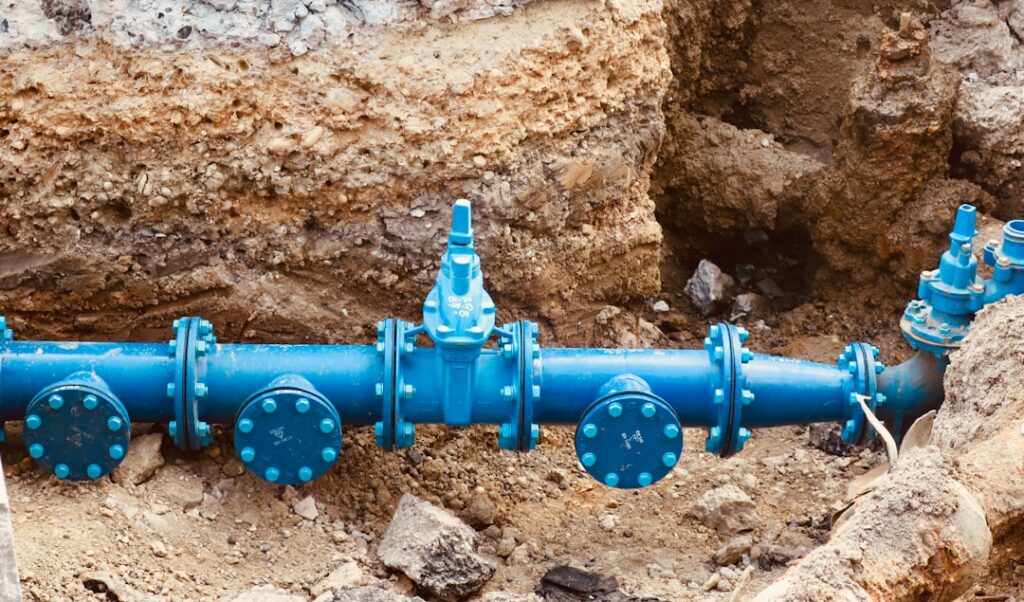
Every home served by a utility also has a shutoff at the meter, usually in a concrete or plastic box set flush in the ground near the sidewalk or property line. Pop the lid (a flathead screwdriver works) and you will find the meter plus a utility-side valve, which may be a simple rectangular tab requiring a meter key or curb key ($10 to $20 at any hardware store) or channel-lock pliers to turn a quarter turn. Two cautions: some utilities consider their valve off-limits to homeowners, and a corroded meter valve can break — leaving you liable. Treat the meter box as the backup for when the house valve fails or cannot be found, and call the utility if the valve will not turn easily. Apartment and condo dwellers should ask management where unit-level shutoffs are, since one main often serves multiple units.
Gate Valve vs. Ball Valve: Know What You’re Turning
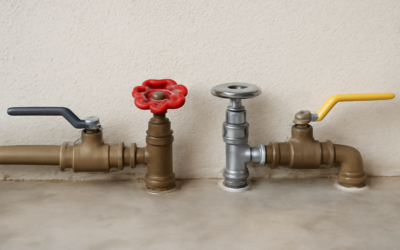
Two valve designs dominate, and they operate differently. A gate valve has a round wheel handle like an outdoor spigot; turn it clockwise several full revolutions until it seats gently — do not crank it hard, because 30-year-old gate valves shear their stems or refuse to reseal. A ball valve has a straight lever handle and needs just a quarter turn: parallel with the pipe is open, perpendicular is closed. Ball valves are faster, far more reliable, and what plumbers install today. If your home still has an original gate valve from the 1970s or 80s, budget $150 to $350 to have it swapped for a ball valve before it fails on the day you need it most.
Old gate valves also stick from disuse. Exercise your main valve once or twice a year — close it fully, then reopen — so mineral deposits never get the chance to freeze it in place.
After You Find It: A Five-Minute Preparedness Routine
- Test it. Close the valve, open a faucet, and confirm flow stops within a few seconds of the lines draining. A valve that only slows the water needs replacement.
- Label it. Hang a bright tag (“MAIN WATER SHUTOFF”) on the valve and write the location inside your electrical panel door or another spot the whole household knows. In an emergency, a babysitter or teenager may be the one hunting for it.
- Clear the path. Move the holiday bins stacked in front of it. Sixty-second access is the goal.
- Show everyone. Walk each household member to the valve once. This is also the valve you close when leaving for vacation — most insurance adjusters will tell you unattended supply-line failures are their most common large residential claim.
- Note the individual shutoffs too. Toilets, sinks, washing machines, and water heaters have their own local stops; using those for small problems saves shutting down the whole house.
When to Call a Plumber
Call a professional if you genuinely cannot locate any interior valve, if the valve is seized or weeping at the stem, or if closing it fails to stop flow. A plumber can trace the service entry, replace a failed gate valve, or add a modern ball valve in an accessible location — typically a $150 to $400 job that turns a future flood into a non-event. Some homeowners go a step further with smart leak-detection shutoffs like the Moen Flo or Phyn Plus ($400 to $700 plus installation), which close the main automatically when they sense a burst. Whatever your setup, the principle stands: find the valve today, because the search is miserable when you are standing in an inch of water.