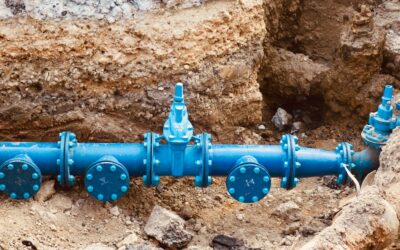
Most homeowners cannot point to their gas shut-off valves, and in an emergency that ignorance costs precious minutes. Knowing how a gas valve shut off works — where each valve lives, which direction closes it, and when you should and should not touch it — is basic home safety knowledge, right alongside knowing where your breaker panel and water main are. Before anything else, one rule overrides everything in this guide: if you smell gas in your home, do not hunt for valves. Get everyone outside immediately and call your gas utility or 911 from a safe distance.
If You Smell Gas: Evacuate First
Natural gas is odorless, so utilities add mercaptan, the rotten-egg smell, precisely so you notice leaks. If the odor is strong or you hear hissing, leave the house right away. Do not flip light switches on or off, do not unplug anything, do not use your phone until you are outside, and do not start your car in an attached garage — any spark can ignite gas that has reached a flammable concentration.
Once you are safely away, call your gas utility’s emergency line (it is staffed 24/7 and the response is free) or 911. Utility crews carry combustible gas detectors and will find and isolate the leak. If the smell is faint and clearly coming from one appliance — say, a pilot light that blew out — you can shut that appliance’s valve and ventilate, but when in doubt, evacuate. No valve is worth gambling on.
The Three Levels of Gas Shut-Off
A typical home has gas control at three points, and understanding the hierarchy tells you which one to use:
- Appliance shut-off valves: small valves on the supply line within 6 feet of each gas appliance — furnace, water heater, range, dryer, fireplace. Use these for repairs, appliance replacement, or isolating one suspect appliance.
- House-side main valve: some homes have a shut-off where the line enters the building, after the meter. It kills gas to the whole house.
- Street-side meter valve: the valve on the pipe before the meter, owned by the utility. This is the one you should generally leave to professionals except in a true emergency such as an earthquake or fire.
How to Shut Off an Appliance Valve
Appliance valves are usually quarter-turn ball valves with a lever handle, often yellow or red. The rule is simple: handle parallel to the pipe means open, handle perpendicular (crossing the pipe) means closed. Rotate the lever 90 degrees until it sits crosswise to the gas line and the flow stops. Older homes sometimes have multi-turn gate-style valves; those close clockwise, righty-tighty, until snug.
Ranges are the tricky one because the valve typically hides behind the appliance. Most gas ranges connect with a flexible connector to a valve in the cabinet beside the range or in the wall behind it — you may need to slide the range forward gently to reach it. Never stretch or kink the flex connector, and never reuse an old flex connector when replacing an appliance; new connectors cost under $25.
Shutting Off Gas at the Meter
The meter valve sits on the supply pipe where it rises from the ground, before the meter itself. It is a flat tang (a rectangular nub) rather than a lever, and it requires a wrench — a 12-inch adjustable wrench or a dedicated gas shut-off tool, which costs about $10 to $15 and is smart to keep zip-tied near the meter. Turn the tang a quarter turn in either direction so it sits crosswise to the pipe. Closed is perpendicular, same as a ball valve.
Here is the critical caveat: shut the meter valve only in a genuine emergency — you smell strong gas, a line was struck, there has been an earthquake or a fire near the house. Do not shut it for convenience or routine work, and never attempt to remove, repair, or modify anything at the meter. The meter assembly belongs to the utility, tampering with it is illegal in most states, and an amateur wrench in the wrong place can shear a fitting and turn a small problem into a dangerous one.
Do Not Turn It Back On Yourself
This surprises people: once the main gas supply has been shut off at the meter, only the utility or a licensed professional should restore it. Relighting a house is not just turning a valve. Every pilot light in the home is now out, air is in the lines, and appliances must be relit and checked for leaks in sequence. Utilities perform this service free of charge — they will pressure-test, restore supply, and relight your pilots. Turning the meter valve back on yourself and leaving an unlit pilot feeding raw gas into a water heater closet is exactly how post-shutoff accidents happen.
Appliance-level valves are different. If you closed the valve on your dryer to swap a connector, you can reopen it yourself — then leak-test the connections you touched.
When You Should Use a Shut-Off Valve
Beyond emergencies, there are routine moments when closing a gas valve is the right move. Shut the appliance valve before disconnecting a range or dryer for flooring installation — a scenario we see constantly, since appliances have to come out for new floors to go in. Close it before replacing a water heater or servicing a furnace. Shut off a gas fireplace’s valve for the season if the pilot will not be used. And if you are leaving a home vacant for months, shutting the house-side main and having the utility restore service later is reasonable insurance.
Any work beyond simple connect-and-disconnect — running new gas line, moving a valve, repairing a leaking fitting — is licensed plumber or gas fitter territory. Gas work is not a place to learn by doing; most jurisdictions require permits and licensed installers for a reason, and homeowner gas work can void insurance coverage.
Testing for Leaks After Any Connection
Whenever you reconnect an appliance, test your work before calling it done. Mix a squirt of dish soap in a cup of water, brush it generously over every fitting you touched, and open the valve. Growing bubbles mean a leak: close the valve, tighten or redo the joint with yellow gas-rated PTFE tape or pipe dope, and test again. No bubbles after a minute or two means the joint is sound. Electronic combustible gas detectors ($20 to $40) do the same job and are worth owning if you have several gas appliances.
Make a Five-Minute Family Plan
Tonight, walk the house and find every gas valve shut off point: each appliance valve, the house-side main if you have one, and the meter. Confirm the meter valve’s location, buy a shut-off wrench, and store it where anyone can grab it. Show every adult in the household which way is closed and repeat the golden rule until it sticks — strong gas smell means evacuate first, call the utility from outside, and let the professionals handle the rest. Five minutes of orientation now is what turns a potential disaster into a manageable inconvenience later.