Roughly 60% of US homes with basements experience moisture problems, and the average homeowner spends $4,800 chasing fixes that do not address the root cause. Effective wet basement solutions almost always start outside the house, not inside, because water reaches the basement through three main pathways: surface water from poor grading, hydrostatic pressure from saturated soil, and humidity condensing on cool walls. This guide walks through the right diagnosis sequence and the fixes that actually solve each problem rather than masking it.
- Diagnosing the Source of Water First
- Fixing Exterior Grading and Surface Water
- Gutters, Downspouts, and Extensions
- Interior Sump Pump Systems
- Interior Waterproofing Coatings
- Exterior Waterproofing for Severe Cases
- Dehumidification for Humid Basements
- Sealing Cracks and Penetrations
- Order of Operations for Solving Your Wet Basement
Diagnosing the Source of Water First
Before spending a dollar on solutions, identify exactly where water enters and when. Tape squares of aluminum foil to several spots on your basement walls and floor. Leave them for 48 hours. Moisture under the foil means hydrostatic pressure pushing water through the wall, while moisture on top means humid air condensing in the cool space.
Track when leaks appear. Water during heavy rain points to surface drainage and grading. Water within hours of rain stopping suggests saturated soil and weak waterproofing. Water that appears regardless of rain often comes from a high water table or a plumbing leak. Each pattern points to different solutions, and treating the wrong cause wastes thousands.
Fixing Exterior Grading and Surface Water
Soil should slope away from your foundation at a quarter inch per foot for the first ten feet. That means six inches of drop over a ten-foot run. Walk your foundation perimeter with a level on a long board after the next rain and identify any spots where water pools or runs back toward the house.
Regrading with topsoil costs $50 to $100 per cubic yard delivered, and a typical 1,500 square foot home needs 8 to 15 yards. Rent a wheelbarrow and tamper for a weekend, slope the soil, then plant grass seed or lay sod. This single fix solves about 40% of basement moisture problems and costs under $1,000 in DIY materials.
Gutters, Downspouts, and Extensions
Gutters that overflow or downspouts that dump water at the foundation are the second most common culprit. Walk around your house during the next thunderstorm and watch where water actually goes. Overflowing gutters need cleaning or larger sizing. Downspouts dropping water within five feet of the foundation need extensions.
- Clean gutters twice yearly in spring and fall
- Extend downspouts at least 6 feet from the foundation, ideally 10 feet
- Add splash blocks at downspout terminations to prevent erosion
- Install gutter guards if you have heavy tree cover, $7 to $15 per foot installed
- Bury downspout extensions in 4-inch perforated pipe to daylight or dry well
Interior Sump Pump Systems
If water still reaches your basement after exterior fixes, a sump pump system handles the residual water. Installation involves cutting a 24-inch deep pit in the basement floor, installing a sump basin, connecting it to interior perimeter drain tile, and running a discharge line outside. Total cost runs $1,500 to $4,500 for professional installation.
Choose a 1/3 to 1/2 horsepower submersible pump from a reliable brand like Zoeller, Liberty, or Wayne. Add a battery backup pump like the Basement Watchdog BWE for power outages, since storms that flood basements often knock out power simultaneously. Test the pump every spring by pouring 5 gallons of water into the basin and confirming proper activation.
Interior Waterproofing Coatings
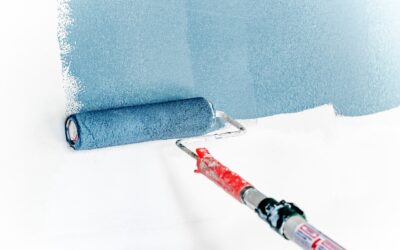
Products like Drylok and Xypex paint onto interior basement walls and block minor moisture seepage through concrete. They work best when used in combination with exterior fixes rather than as a primary solution. A 5-gallon bucket of Drylok Extreme covers about 100 square feet for $50 to $75 and lasts 10 to 15 years.
Apply two coats with a stiff-bristle brush to work the product into the concrete pores. Skip these coatings if you have active water entry through cracks or floor-wall joints, since the hydrostatic pressure will simply blow the coating off the wall. Drylok belongs in the maintenance category, not the structural fix category.
Exterior Waterproofing for Severe Cases
When interior solutions fail, full exterior waterproofing means excavating around the foundation down to the footing, cleaning the foundation walls, applying a rubberized waterproof membrane, installing drain board, and adding a French drain at the footing. Expect $15,000 to $40,000 for a typical home.
This is the nuclear option for chronic flooding that nothing else fixes. The advantage is a permanent solution backed by 20 to 25 year warranties. The disadvantage is the cost and the destruction of any landscaping, walkways, or hardscape around the foundation. Reserve this fix for verified hydrostatic pressure problems where simpler solutions have already failed.
Dehumidification for Humid Basements
If your foil test showed condensation on the wall surface rather than seepage from behind, you have a humidity problem rather than a leak. Run a dedicated basement dehumidifier sized for your square footage. A 50-pint Frigidaire or hOmeLabs unit at $250 to $400 handles up to 3,000 square feet and pulls 3 to 5 gallons of water per day in summer.
Set the target humidity to 45-50%. Below 40% the air feels too dry and wood furniture can crack, while above 60% you encourage mold growth and dust mites. Empty the bucket daily or run a hose to a floor drain or sump pit for hands-free operation. Most quality units include a humidistat that cycles automatically once humidity rises above the setpoint.
Sealing Cracks and Penetrations
Hairline foundation cracks and penetrations around plumbing or electrical lines often leak water once hydrostatic pressure builds. Seal active cracks with polyurethane injection from a kit like Applied Technologies Crack-X. A typical kit costs $80 and seals a 10-foot crack from inside the basement.
Pipe penetrations and electrical conduits going through foundation walls need hydraulic cement or polyurethane sealant rated for below-grade use. Quikrete Hydraulic Water-Stop Cement at $20 per pail handles immediate active leaks and sets within 5 minutes even with water flowing. Inspect penetrations annually because soil settling can open new gaps each year.
Order of Operations for Solving Your Wet Basement
The right fix sequence saves thousands. Start with grading and gutters because they are cheapest and solve most problems. Move to interior crack sealing and Drylok coatings if minor seepage continues. Add a sump pump system if water actively pools on the floor. Finally, consider exterior waterproofing only if everything else has failed and the foundation continues to leak.
Document everything with photos and rainfall dates before and after each fix. This proof matters if you sell the house and need to disclose moisture history, and it helps insurance claims if a major event causes damage. A consistently dry basement adds 10-15% to home resale value in most markets, making the investment one of the highest return projects available to homeowners.