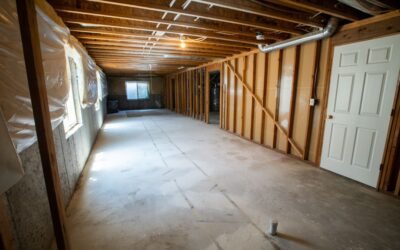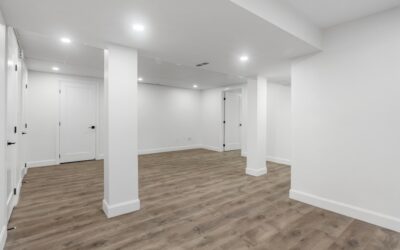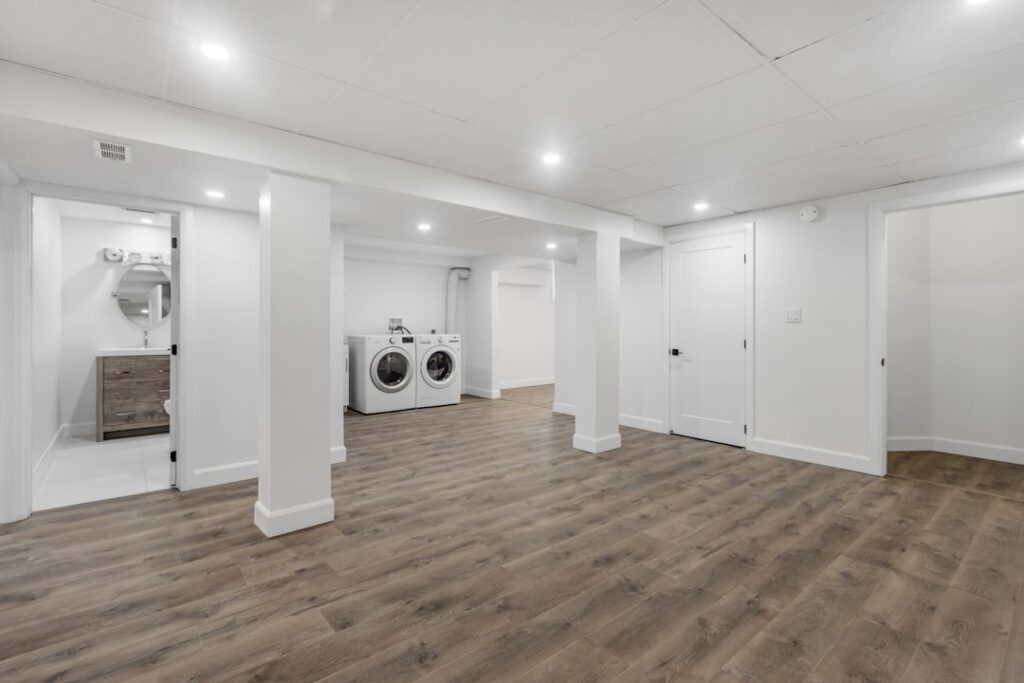
That musty smell, the clammy walls, the box of holiday decorations you found speckled with mildew, these are all symptoms of the same problem: too much moisture. Effective damp basement solutions start with finding where the water comes from, because spraying air freshener or running a fan only masks an issue that quietly damages your home and your health. Solve dampness at the source and you reclaim valuable square footage while protecting your foundation, framing, and air quality.
Find the Source First
Before spending a dime on fixes, identify whether your moisture comes from outside or inside. A simple test settles it: tape a one-foot square of aluminum foil tightly to the basement wall and check it after 24 hours.
If moisture forms on the room-side surface, the problem is humid indoor air condensing on cool walls. If it appears behind the foil, water is seeping through the foundation from outside. This diagnosis determines everything that follows, since condensation calls for dehumidification while seepage demands drainage and sealing.
Fix the Easy Exterior Problems
Many damp basements are caused by water pooling against the foundation, and the cheapest fixes are outside. Start with your gutters and downspouts, which should be clean and extend at least 4 to 6 feet from the foundation to carry roof runoff away.
Check the grading around your home. The soil should slope away from the foundation, dropping about 6 inches over the first 10 feet. Regrading low spots and adding extensions to downspouts often solves chronic dampness for a few hundred dollars, far cheaper than interior work. Repair any cracks in the foundation with hydraulic cement while you’re at it.
Control Interior Humidity
When condensation is the culprit, managing indoor moisture does the heavy lifting. A quality dehumidifier sized for your basement square footage is the workhorse here, keeping relative humidity below 50% to stop mold and that damp smell.
- Dehumidifier: $200 to $500 for a unit that handles 1,000 to 1,500 sq ft.
- Insulate cold pipes: Prevents sweating that drips and adds moisture.
- Vent dryers outside: An improperly vented dryer dumps gallons of water vapor inside.
- Run exhaust fans: In basement bathrooms and laundry areas.
Waterproofing the Walls and Floor
For walls that wick moisture through the concrete, a waterproof sealer adds a barrier. Products like masonry waterproofing paint penetrate the surface and block water, costing $30 to $50 a gallon and covering minor seepage on otherwise sound walls.
Keep in mind that sealers manage light moisture but won’t stop active water under pressure. If your foil test showed water entering from outside under significant pressure, surface paint alone won’t hold it back. For those situations, you’ll need a more robust drainage system rather than relying on a coating that can blister and peel under hydrostatic force.
Interior Drainage and Sump Pumps
For persistent water entry, an interior drainage system is the proven fix. A perimeter drain, or French drain, installed around the inside edge of the basement floor channels water to a sump pit, where a pump ejects it away from the house.
This system typically costs $3,000 to $10,000 installed but reliably keeps a basement dry even during heavy rain. A battery backup for the sump pump is worth the extra $200 to $400, since the worst flooding often happens during storms that also knock out power. For severe cases, exterior excavation and waterproofing is the most thorough but costliest option at $10,000 to $20,000.
Choosing the Right Flooring for a Damp Basement
Once you’ve solved the moisture problem, flooring choice still matters because basements stay cooler and more humid than upstairs. Avoid solid hardwood and standard carpet over concrete, which trap moisture and breed mold.
Better options handle the conditions gracefully. Luxury vinyl plank is waterproof, comfortable underfoot, and the most popular basement choice at $2 to $7 per square foot. Sealed concrete and porcelain tile shrug off moisture entirely, while engineered flooring with a proper vapor barrier works in drier basements. Whatever you choose, install over a moisture barrier and consider a dimpled subfloor membrane that lets any incidental water drain rather than pool.
Health Reasons to Address Dampness
A damp basement isn’t just a property problem, it’s a health concern for everyone in the home. Persistent moisture feeds mold and dust mites, both of which trigger allergies, asthma, and respiratory irritation, particularly in children and older adults.
- Mold spores: Circulate through the home via the HVAC system and aggravate breathing.
- Dust mites: Thrive in humidity above 50% and worsen allergies.
- Musty odors: A sign of active microbial growth, not just stale air.
- Radon risk: Cracks that admit water can also admit this dangerous gas, worth testing for.
Keeping humidity in check protects both your home’s structure and your family’s air quality, which makes solving dampness one of the higher-value projects a homeowner can tackle.
Maintaining a Dry Basement
Once your basement is dry, keep it that way with simple habits. Clean gutters twice a year, walk the foundation each spring to spot new cracks, and keep the dehumidifier running through humid months.
Monitor humidity with an inexpensive hygrometer and address any new dampness immediately before it becomes mold. The most effective damp basement solutions follow a logical order: fix the cheap exterior causes first, control interior humidity, then escalate to sealing and drainage only as needed. Tackle the problem at its source and you’ll turn a clammy, unusable basement into dry, healthy living space.
Seasonal Dampness and How to Manage It
Basement moisture often follows the calendar, and understanding the seasonal patterns helps you stay ahead of it. Summer is the surprising culprit for many homes, because warm, humid outdoor air enters a cool basement and condenses on the cold concrete walls and pipes, leaving everything clammy.
The instinct to open basement windows in summer actually makes condensation worse, since you’re inviting in more humid air. Keep windows closed and let the dehumidifier do the work during humid months. In spring, snowmelt and heavy rain raise the water table and stress your drainage, so that’s when seepage problems show up. Winter brings its own issues as warm indoor air meets freezing exterior walls. Adjust your approach by season: run the dehumidifier hard in summer, watch drainage closely in spring, and insulate cold surfaces to fight winter condensation. A little seasonal awareness keeps a basement dry year-round instead of fighting moisture reactively.