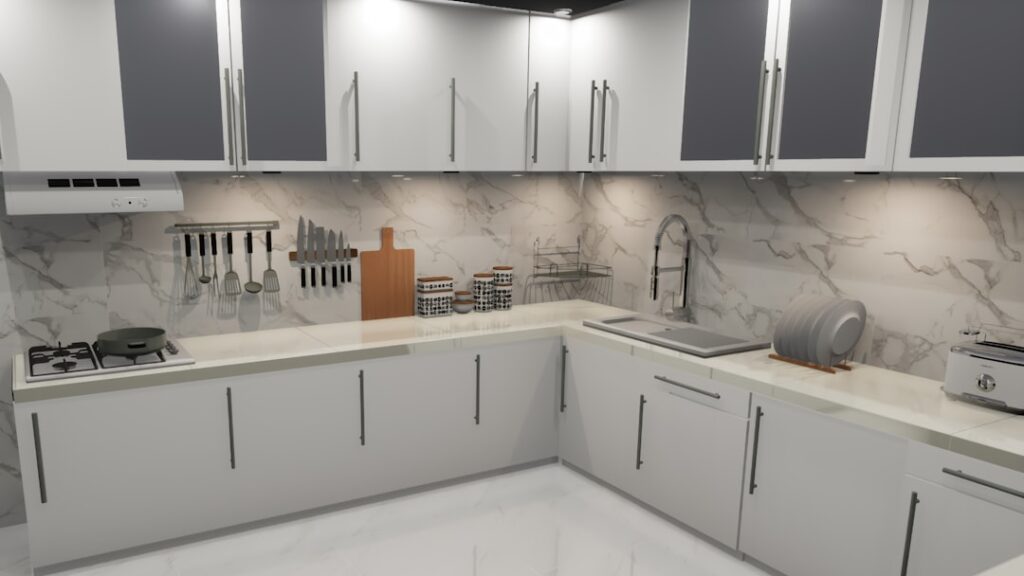
The material you pick for a kitchen sink shapes how it sounds when dishes drop, how long it lasts, and whether it scratches the first time someone slides a cast iron pan across it. What are kitchen sinks made of turns out to be a more important question than most remodelers realize — a $200 thin-gauge stainless steel sink and a $1,400 16-gauge stainless workstation sink look similar in a showroom but behave like different appliances over 15 years of use. Materials range from pressed stainless to handcrafted copper, and each has a sweet spot in style, budget, and use case.
Part of our Kitchen Remodeling guide — explore the full guide →
This guide breaks down the six major sink materials, their construction details, price tiers, and which kitchens each suits best. Brand examples from Kohler, Kraus, Ruvati, and Blanco anchor the comparisons in real-world product lines.
Stainless Steel: The Default Standard
Roughly 70 percent of US kitchens use stainless steel sinks. The material is durable, heat-resistant, and unaffected by acidic foods. The critical specs are gauge (thickness, lower is thicker) and nickel content. 16-gauge stainless (0.0625 inch) is the gold standard; 18-gauge (0.05 inch) is acceptable; 20-gauge or thinner dent easily and amplify dish-clatter noise.
Look for 304-grade or “18/10” stainless with 18% chromium and 10% nickel content. This grade resists rust and pitting from chlorine bleach. Sound deadening matters too — quality sinks include thick rubber pads under the basin and undercoating to silence drops.
Brand examples: Kraus KHU100-30 (16-gauge, $400), Ruvati Roma RVH8350 (16-gauge workstation, $700), Kohler Strive K-5285 (16-gauge, $850). Budget builder-grade options run $150 to $250 in 20-gauge — fine for rental properties, not for primary residences.
Fireclay: Farmhouse Style Workhorse
Fireclay is a ceramic material kiln-fired at 1,800°F to 2,200°F. It’s denser and more chip-resistant than cast iron with enamel coating, and the deep apron-front style suits both farmhouse and modern kitchens. Standard sizes range from 27 to 36 inches wide, weighing 75 to 150 pounds — cabinet supports underneath are essential.
Fireclay holds color forever (no chipping enamel) and resists staining from coffee, tea, and red wine. Heavy cast iron pans dropped onto it can chip the rim, however. Avoid bleach-based cleaners that erode the glaze over time — use Bar Keepers Friend Soft Cleanser ($5) for stubborn stains.
Top brands: Kohler Whitehaven K-6488 ($1,100), Ruvati Fiamma RVL2300WH ($600), Kraus Turino KFR1-36GWH ($900). Expect to spend $200 to $400 more on installation than a drop-in stainless because of weight and cabinet modifications.
Cast Iron With Porcelain Enamel
Cast iron sinks have been around since the 1880s and still hold a place in modern kitchens for their classic look. A 1/8-inch enamel coating bonds to the iron at 1,500°F, giving a glossy, color-rich surface. Available in white, biscuit, almond, black, and dozens of custom colors from manufacturers like Kohler and American Standard.
The biggest pro: heavy, quiet, and absorbs dish-clatter better than any other material. The biggest con: enamel chips when struck hard, exposing iron that rusts. Repair kits exist (Tub Tile and Sink Refinishing Kit, $40) but never fully match. Cast iron sinks also weigh 80 to 140 pounds, needing reinforced cabinet supports.
Examples: Kohler Cape Dory K-5864 ($550), Kohler Whitehaven Self-Trimming farmhouse ($1,200). A clear value sink that rewards careful use.
Granite Composite (Quartz Composite)
Granite composite sinks (sometimes called quartz composite) blend 80% granite or quartz dust with 20% acrylic resin. The result is non-porous, scratch-resistant, and heat-resistant up to 500°F. The matte finish hides water spots better than stainless, and the deep colors don’t fade.
Blanco is the dominant brand, with the Silgranit line in 9+ colors. The Blanco Diamond ($550), Blanco Precis ($600), and Blanco Performa ($700) cover most kitchen sizes. Elkay Quartz Classic ($350 to $700) is the budget competitor. Granite composite stands up to harsh cleaning chemicals and won’t chip from dropped cast iron pans — the most forgiving material in daily use.
The trade-off: hard water minerals (calcium and magnesium) can leave a white haze on dark colors. A weekly wipe with diluted white vinegar prevents buildup.
Copper: Premium Statement Material
Copper is naturally antimicrobial — bacteria die on contact with copper surfaces within hours. The metal also develops a living patina that darkens and varies over time, giving each sink a unique character. Hammered copper from Sinkology, Premier Copper Products, and Native Trails is hand-formed in Mexico, with prices from $700 for a small bar sink to $3,000 for a 36-inch farmhouse apron front.
Care matters more than other materials. Acidic foods (lemon juice, tomato sauce) etch the patina locally, leaving bright spots until the natural patina re-forms over weeks. Most owners learn to embrace the variation. Use only mild dish soap; never abrasive cleaners or steel wool, which scratch copper.
Copper sinks weigh 50 to 100 pounds and need a 16-gauge minimum thickness. Cheaper imported copper at 18 or 20 gauge dents and warps with normal use — not worth the savings.
Solid Surface, Enameled Steel, and Other Options
Less common but worth mentioning: solid surface integral sinks (Corian, Wilsonart) form seamlessly into matching countertops, perfect for laundry rooms or low-budget kitchens. Enameled steel is the cheap cousin to cast iron — same look, half the weight, less than half the price ($100 to $250), but the enamel chips more easily.
Concrete sinks have grown in popularity for custom kitchens. Native Trails and Trueform Concrete offer pre-cast options at $1,200 to $3,500. They need annual sealing with a food-safe penetrating sealer and develop hairline cracks over decades — features, depending on your design sensibility.
Matching Material to Use Case
Quick guidance on what to buy:
- Heavy daily use, large family: 16-gauge stainless workstation or granite composite
- Light use, design-focused kitchen: Fireclay farmhouse or copper
- Rental property or flip: 18-gauge stainless undermount
- Wet bar or laundry: Enameled steel or smaller stainless
- Heritage or historic remodel: Cast iron with porcelain enamel
- Modern minimalist: Stainless single-basin workstation or matte black granite composite
One final note: install with the right faucet. A heavy stainless workstation sink under a $50 builder-grade faucet looks unbalanced. Plan 15 to 25 percent of total sink-and-faucet budget for the faucet to match material quality. Knowing what are kitchen sinks made of helps, but matching material to lifestyle and budget is where the real upgrade happens.