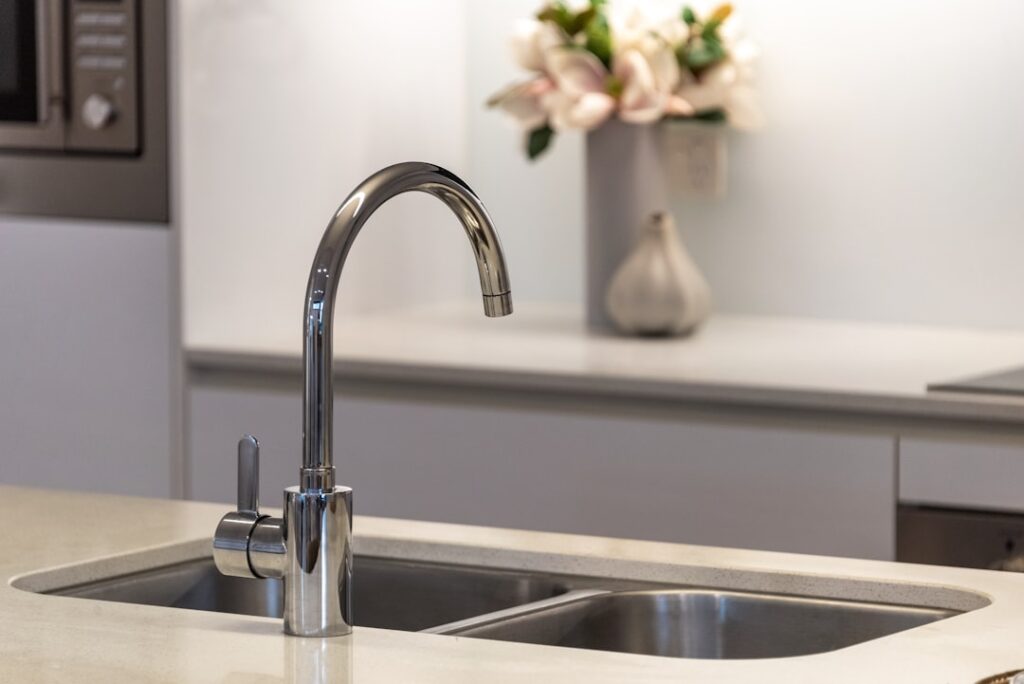
A kitchen sink takes a beating no other fixture endures — scalding pots, dropped cast-iron pans, sharp knives, harsh cleaners, and constant water, day after day for decades. Choosing the most durable kitchen sink material means weighing raw toughness against real-world care and how the surface ages. The honest answer is that several materials are excellent, each with a different failure mode: some chip, some scratch, some stain, and some crack. Below is a practical ranking of the toughest options, what makes each strong, and how to keep it looking new.
Part of our Kitchen Remodeling guide — explore the full guide →
- Stainless Steel: The Reliable Workhorse
- Granite Composite: The Toughest Surface
- Fireclay: Classic Looks, Serious Strength
- Cast Iron with Enamel: Heavy and Long-Lived
- How the Materials Compare
- Materials to Approach with Caution
- Care Tips That Extend Any Sink's Life
- Matching Sink Style to Material
- Choosing the Right One for You
Stainless Steel: The Reliable Workhorse
Stainless steel is the most popular sink material in America for good reason. It is nearly impossible to crack or chip, shrugs off heat from a boiling pot, resists rust, and takes decades of abuse without structural failure. The catch is that thinner steel dents and scratches, and that is where gauge matters. Gauge measures thickness, and lower numbers mean thicker steel:
- 16 to 18 gauge is the sweet spot for durability — thick enough to resist denting, dampen noise, and feel solid.
- 20 to 22 gauge is the thin, budget material found in many builder-grade sinks; it dents easily and rings loudly.
Surface scratches are inevitable but blend into the brushed finish over time. Look for a quality 304-series stainless (often marked 18/10 or 18/8) for the best corrosion resistance. Care is simple: rinse, wipe, and occasionally polish with the grain.
Granite Composite: The Toughest Surface
Granite composite — crushed granite stone bound in acrylic resin — is arguably the most scratch- and chip-resistant option you can buy. The dense material resists knife marks, high heat, and impacts that would dent steel, and its matte finish hides water spots beautifully. It is also nonporous, so it fights stains and bacteria. The trade-offs are weight, which may require extra cabinet support, and a caution against thermal shock: setting a red-hot pan straight from the burner onto a cold sink can crack it in rare cases. Lighter colors can show buildup, remedied with an occasional deep clean. For sheer surface toughness, granite composite is hard to beat.
Fireclay: Classic Looks, Serious Strength
Fireclay is ceramic clay molded and fired at extremely high temperatures, producing the glossy farmhouse and apron-front sinks people love. The glazed surface is very hard, resists scratches and stains, and tolerates heat well. Its weakness is the same as any glazed ceramic: a heavy dropped object — a cast-iron skillet or a stoneware bowl — can chip or crack the glaze, and a deep chip is difficult to repair invisibly. For everyday use it is extremely durable and non-porous, and the finish stays bright for decades with basic cleaning. Fireclay pairs timeless style with real longevity as long as you avoid drop impacts.
Cast Iron with Enamel: Heavy and Long-Lived
Enameled cast iron is a thick iron base coated in fused porcelain enamel — the material behind classic white sinks that last generations. It is exceptionally rigid, quiet, and heat-tolerant, and the smooth enamel is easy to clean. Its vulnerability is the enamel coating: dropping a heavy pan can chip it, exposing the iron underneath to rust, and abrasive scrubbers can dull the gloss over time. Dark pots can also leave metal marks that need a gentle cleaner to remove. Properly cared for, an enameled cast iron sink easily outlasts the kitchen around it, but the weight demands sturdy cabinetry.
How the Materials Compare
- Best overall toughness: granite composite, for its scratch, chip, and heat resistance.
- Best crack resistance: thick-gauge stainless steel, which flexes instead of shattering.
- Best stain resistance: granite composite and glazed fireclay, both nonporous.
- Most vulnerable to chipping: fireclay and enameled cast iron, due to their hard glaze coatings.
- Easiest to live with: stainless steel, forgiving and simple to maintain.
Materials to Approach with Caution
A few sink materials look appealing but fall short on durability. Solid surface and acrylic sinks are inexpensive and warm to the touch, but they scratch easily, can be melted or discolored by a hot pan, and are not the choice for a hard-working kitchen. Copper sinks are beautiful and naturally antimicrobial, yet they are soft, dent under impact, and their living finish changes over time, which delights some owners and frustrates others. Natural stone sinks carved from granite or marble are dramatic but heavy, porous unless well sealed, and vulnerable to etching from acidic foods. None of these is a bad sink, but if pure durability is your priority, they rank below the top four.
Care Tips That Extend Any Sink’s Life
The material sets the ceiling, but how you treat the sink determines how long it stays looking new. A few universal habits help every type last:
- Use a bottom grid or rack to keep pots and dishes from scratching the surface directly.
- Rinse away acidic foods, coffee, and tea promptly to prevent staining and etching.
- Avoid abrasive scouring pads and harsh chemical cleaners that dull finishes and glazes.
- Never leave cast iron or dark metal cookware sitting wet in the basin, which can leave marks or promote rust on chipped enamel.
- Wipe the sink dry after use in hard-water areas to prevent mineral spots and buildup.
Matching Sink Style to Material
Durability also interacts with the sink’s mounting and shape. Undermount sinks, which are glued beneath a solid countertop, put the material to the test since there is no rim to catch water — stainless steel and granite composite handle this beautifully. Farmhouse apron-front sinks are commonly fireclay or cast iron, so their exposed front takes the durability characteristics of those glazes. Workstation sinks with integrated ledges are most often thick stainless steel. Choosing a material that suits both your durability needs and the installation style you want ensures the sink performs and looks right for the long haul.
Choosing the Right One for You
The most durable kitchen sink material for your home depends on how you cook and what failure you least want to deal with. If you drop heavy cookware and hate chips, granite composite or thick stainless steel is your best bet. If you want a timeless white farmhouse look and are careful, fireclay or enameled cast iron will serve for generations. Whatever you choose, buy the highest quality you can afford — thicker steel, reputable composite, or true fireclay — because the sink is used more than almost anything else in the kitchen, and durability pays for itself in the years you never have to replace it. A well-chosen sink outlasts trends, faucets, and even the countertops around it, quietly doing its job for decades of daily cooking and cleanup.