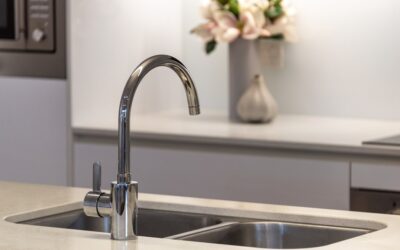
Picking the wrong sink material is one of the most expensive kitchen mistakes a homeowner can make — replacements run $400 to $1,800 plus countertop refinishing if the cutout no longer fits. The best sink material for your kitchen depends on how heavily you cook, whether you have hard water, what the budget allows, and how much daily maintenance you tolerate. Stainless steel still leads the market by volume, but granite composite has been gaining fast for its quieter, scratch-hiding surface. Fireclay and cast iron remain the choices for traditional kitchens. Each material has clear strengths and trade-offs that show up in years 3 to 10 of ownership.
Top Picks on Amazon
Stainless Steel: The Default Choice
Stainless steel is in 60% of new kitchens for good reason. It is durable, food-safe, easy to clean, and comes in price points from $80 to $1,500+. The key spec to check is the steel gauge — lower numbers mean thicker steel. 16-gauge is the sweet spot for residential use. 18-gauge is acceptable. Anything above 20-gauge is too thin and will dent and resonate noisily.
Look for sound dampening pads on the underside and an undercoating to reduce condensation drips. Brands worth the price include Kraus Standart Pro ($300 to $500), Ruvati Gravena ($350 to $650), and Kohler Strive ($550 to $900). Avoid no-name brands under $100 — they almost always use 22-gauge steel that ripples after a year.
Downsides: Stainless steel scratches easily and shows water spots in hard-water regions. Hammered or brushed finishes hide both better than mirror finishes.
Granite Composite: The Modern Workhorse
Granite composite (sometimes called quartz composite) is granite stone dust mixed with acrylic resin and pressed into shape. The result is a sink that resists scratches, chips, and stains better than almost any other material. It is heavy — a typical 30-inch single bowl weighs 60 to 80 pounds — and quiet under running water and dish-washing.
Top brands are Blanco Silgranit ($400 to $800), Elkay Quartz ($350 to $650), and Kraus Bellucci ($300 to $550). Available in 6 to 10 colors, with anthracite (deep gray) and metallic gray being the most forgiving for hiding water spots and food residue.
Downsides: Hot pans straight from the stove can crack the surface — always use a trivet. Some food acids (lemon juice, tomato) leave temporary marks if left to sit overnight.
Fireclay: The Traditional Beauty
Fireclay sinks are made from white clay fired at extreme temperatures (about 2,000°F), creating a glossy, glass-hard finish that resists staining and scratching. They are the signature look of farmhouse kitchens and pair beautifully with traditional cabinetry. Most are apron-front (farmhouse) style with a single deep bowl.
Quality fireclay sinks cost $700 to $1,800 from brands like Kohler Whitehaven, Rohl Shaws Original, and Sinkology. Cheaper options under $500 often use a thinner glaze that chips after a year of normal use.
Downsides: Heavy (often 100+ pounds, requires reinforced cabinet support), expensive, and the white finish shows iron staining in hard-water areas. Drop a glass bowl into a fireclay sink and you will likely break the bowl, but a heavy iron skillet dropped from height can chip the rim of the sink.
Cast Iron with Enamel Coating
Cast iron sinks have been around for over 100 years, and the technology has not changed much. A heavy cast-iron base is coated with a porcelain enamel finish that resists staining and looks like fireclay at a slightly lower price point. Kohler dominates this market with sinks in the $400 to $1,200 range.
The big benefit is the dampening effect of the iron mass — water and dishes are nearly silent. The enamel comes in white, biscuit, almond, and a few darker colors that hide hard-water spots better.
Downsides: The enamel chips if you drop a heavy pot on it, exposing the iron underneath which then rusts. Repairs are possible but never invisible. Like fireclay, the weight requires reinforced cabinet support.
Copper: The Statement Material
Hammered copper sinks are antimicrobial — copper kills bacteria on contact — and develop a unique patina over time that traditionalists love and some homeowners hate. Quality copper sinks come from brands like Sinkology, World CopperSmith, and Native Trails, priced $400 to $1,500 for hand-hammered designs.
Look for 14 or 16-gauge copper. Thinner copper dents easily and looks cheap within a year. Avoid sinks that are merely copper-plated — the plating wears through quickly.
Downsides: Copper requires the most maintenance of any material. Acidic foods, harsh cleaners, and even citric soap residue can spot or strip the patina. Use only mild dish soap and dry the sink after every use to maintain the look.
Quick Comparison
For at-a-glance comparison:
- Stainless steel: $80-1,500. Easy maintenance. Shows water spots. Scratches easily. Good for any kitchen.
- Granite composite: $300-800. Hides scratches and food. Quiet. Cracks with thermal shock. Modern kitchens.
- Fireclay: $700-1,800. Beautiful. Heavy. Chips on impact. Farmhouse and traditional kitchens.
- Cast iron: $400-1,200. Quiet. Heavy. Enamel chips can rust. Traditional kitchens.
- Copper: $400-1,500. Antimicrobial. Unique patina. High maintenance. Statement kitchens.
- Solid surface (Corian): $300-600. Repairable. Less heat-resistant. Modern integrated countertops.
Single Bowl vs. Double Bowl
Material is one decision, but bowl configuration is the other. Single bowls are trending and now make up about 60% of new installations. They handle large pots, sheet pans, and dish racks better than double bowls. The downside is that you cannot wash on one side and rinse on the other — but most kitchens use a dishwasher for that anyway.
Double bowls remain popular in households without dishwashers and in homes that hand-wash a lot of stemware or delicate items. The 60/40 split (one large bowl plus one smaller bowl) is more useful than the equal 50/50 split for most cooking.
Installation Type Matters Too
Beyond the material, the mounting type affects both look and function:
- Undermount: Best for stone or solid-surface counters. Easier to wipe debris off the counter into the sink. Adds $150-300 to install.
- Drop-in (top-mount): Cheapest, easiest install. Works with any counter material. The rim can collect crumbs.
- Apron-front (farmhouse): Most expensive cabinet modifications required. Statement look. Often single bowl.
- Flush mount: Sink rim is level with counter. Very clean look but only available in a few materials.
Choosing for Your Lifestyle
For a heavy-cooking household with kids: granite composite in dark gray, single 30-inch bowl, undermount. It hides everything and tolerates abuse.
For a quiet, occasionally-used kitchen: 16-gauge stainless steel, undermount, double bowl 60/40. Cheaper, easy to maintain, classic look.
For a farmhouse or traditional home: fireclay apron-front, white. Pricey but signals the design intention immediately.
For a statement home: hammered copper. Worth the maintenance only if you genuinely love the look.
The best sink material is the one that matches both your cooking habits and your patience for maintenance. Pick honestly based on how the sink will actually be used, not how a glossy product photo makes you imagine it being used.