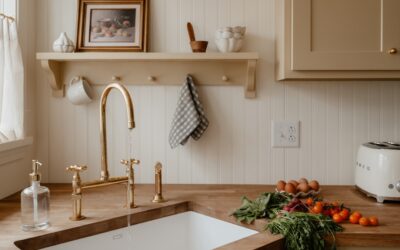
The apron-front sink has moved from strictly rustic kitchens into modern, transitional, and even sleek contemporary spaces, and few names carry as much recognition in this category as Kohler. A Kohler farmhouse sink gives you that signature exposed front panel, a deep single or double basin, and the kind of heavy, built-to-last construction that turns a sink into a centerpiece. Because this is a branded product line with many models, treat the specifics below as category-level guidance and confirm current dimensions, colors, and warranty details on Kohler’s own product pages before you buy.
What Makes an Apron-Front Sink Different
A farmhouse, or apron-front, sink is defined by the exposed front panel that replaces the top few inches of your cabinet face. Instead of the sink hiding behind a cabinet door and countertop lip, its front is on full display and often sits slightly proud of the cabinetry. That design brings the basin closer to you, which reduces the back-and-forth lean that tires you out at a standard drop-in sink.
The tradeoff is that the exposed front and heavy material require a cabinet built or modified to carry the load and reveal the apron. This is not usually a drop-in swap for an existing sink base, a point many homeowners discover only after ordering. Planning the cabinet modification up front, rather than treating the sink as a simple replacement, saves both money and frustration when installation day arrives.
Cast Iron Versus Fireclay Construction
Kohler is best known for two farmhouse materials, and choosing between them shapes your budget and care routine. Enameled cast iron is a thick iron casting coated in a durable porcelain enamel; it is exceptionally heavy, resists chips reasonably well, and holds heat, so dishwater stays warm longer. Fireclay is a ceramic fired at very high temperatures, giving a glossy, glass-hard surface with a slightly more handcrafted look.
Both materials handle daily use well, but they differ in feel and weight:
- Enameled cast iron: extremely durable finish, wide color selection, very heavy, can chip if a heavy pot is dropped hard.
- Fireclay: bright glossy finish, naturally stain and scratch resistant, also heavy, typically offered in classic white.
A cast-iron apron sink can weigh well over 100 pounds empty, which is a real factor for both cabinet support and the two people you will need to set it in place. Fireclay is also heavy, though usually somewhat lighter than a comparable cast-iron model, so weight alone rarely decides the choice; instead, most homeowners pick based on the look they prefer and the color options available in each material. Both surfaces are fired at high temperature and resist heat, so setting a hot pan briefly in the basin will not harm them, though a protective grid is still wise.
Sizes, Configurations, and Colors
Kohler offers apron sinks in a range of widths, commonly around 30 to 36 inches, with both single large basins and smart-divided or double-bowl layouts. A single deep basin, often 9 to 10 inches deep, easily holds sheet pans and stockpots, while a divided model lets you separate washing and rinsing. Some models feature a tall apron for a bold look and others a shorter, more subtle front.
Color is a genuine draw here. Beyond classic white, cast-iron lines have historically included soft neutrals and bold accent shades that let the sink become a statement against contrasting cabinets. Because available colors and exact basin depths change over time, verify the current palette and interior dimensions on the manufacturer listing so your faucet drilling and cabinet cutout match the model you actually receive.
What a Kohler Farmhouse Sink Costs
Pricing reflects the material and craftsmanship. In 2026, expect these general ranges for the sink alone:
- Fireclay apron-front models: roughly $700 to $1,300
- Enameled cast-iron apron models: roughly $800 to $1,800, higher for premium colors
Then factor the full project. A compatible farmhouse sink base cabinet, or modifying your existing one, can add $200 to $800. Countertop fabrication around an apron sink, professional plumbing hookup, and a new faucet frequently bring the installed total to $1,500 to $4,000. If you are already replacing countertops, coordinating the sink purchase with the fabricator saves headaches because they template the cutout to your exact basin.
Installation Requirements to Plan For
Retrofitting an apron sink is more involved than swapping a drop-in, so plan before you order. The cabinet must support substantial weight; installers typically add a reinforced ledger or support cleats sized to the sink’s load. The countertop can be undermounted, flush, or slightly proud of the apron, and that decision affects how the fabricator cuts the stone or laminate.
Key items to confirm during planning:
- Cabinet interior width must exceed the sink width, with clearance for the apron cutout.
- Faucet holes are usually drilled in the countertop or a rear deck, not the sink, so plan hole count and spread.
- Drain placement may shift your P-trap; a plumber should verify the connection under the deeper basin.
Because of the weight and the countertop coordination, most homeowners hire a plumber and, if stone is involved, a countertop fabricator. A dry fit before final countertop templating prevents costly measurement errors.
Cleaning and Keeping the Finish Bright
Both enamel and fireclay clean easily, but a few habits protect the surface. Rinse and wipe after use to prevent hard-water spots, and for stubborn marks use a non-abrasive cleaner made for enameled surfaces. Avoid steel wool and harsh scouring pads, which can dull or scratch the glossy finish over years of use.
Metal cookware can leave gray marks on a white basin; these usually lift with a gentle cream cleanser or a paste of baking soda and water. A protective bottom grid, sold to fit many Kohler basins, keeps pots off the enamel and reduces the chance of chips from dropped cast iron or heavy pans, and it lets water drain underneath rather than pooling. A grid or rack is one of the cheapest ways to keep a light-colored basin looking new, and it tends to pay for itself by preventing the chips and scratches that otherwise accumulate over years of heavy use.
A few other accessories extend the sink’s usefulness. A cutting board sized to span the basin turns the sink into extra prep space, a colander insert makes washing produce easier, and a garbage disposal flange finished to coordinate with your faucet keeps the whole area looking intentional. Coordinating these small pieces with your faucet finish is an easy way to make the sink feel like a designed centerpiece rather than an afterthought.
Single Bowl Versus Double Bowl
The basin configuration shapes how the sink works every day, and there is no universally right answer. A single large basin gives you the most flexible space, easily swallowing a roasting pan, a baking sheet, or the grates from your stove, which is why serious home cooks often prefer it. The tradeoff is that you cannot separate tasks, so soaking a pot and rinsing produce happen in the same bowl.
A double bowl, or a divided model with a low center wall, lets you wash on one side and rinse or dry on the other, and it keeps dirty dishes corralled while you prep. The downside is that each basin is smaller, so oversized cookware may not lay flat. Kohler has offered smart-divide layouts where the divider is lower than the rim, aiming to give some separation while still allowing large items to span both sides. Think honestly about how you cook and clean: batch cooks and bakers usually lean single bowl, while households that hand-wash a lot of dishes often prefer a divided layout.
Basin depth is worth weighing alongside width. A deeper 9-inch to 10-inch bowl hides dishes and reduces splashing, but it also means more bending to reach the bottom. If back strain is a concern, a slightly shallower basin or a taller cabinet base can make daily use more comfortable.
Is a Kohler Farmhouse Sink Right for You
If you want a durable, statement sink and are prepared for the cabinet and countertop coordination it requires, this style earns its popularity. The deep basin genuinely improves how a busy kitchen functions, and the heavy enameled or fireclay surface tends to look good for decades with basic care. Buyers who simply want a quick, low-cost sink swap are usually better served by a standard undermount.
Start by measuring your sink base, deciding between cast iron and fireclay, and pricing the full project rather than just the sink. With realistic expectations about weight and installation, a Kohler farmhouse sink can be the anchor that pulls an entire kitchen design together, just confirm the exact model’s specs and warranty on the manufacturer page before you commit.