Here is the counterintuitive truth that surprises most sellers: the renovations that add the most value are rarely the biggest, splashiest ones. Understanding what home renovations add the most value means recognizing that smaller, smart updates, fresh paint, a refreshed kitchen, better curb appeal, often return more per dollar than a six-figure addition. Return on investment, or ROI, is the metric that matters, measuring how much of a project’s cost you recoup at resale. This guide breaks down the highest-ROI projects, the ones that rarely pay off, and how to renovate strategically whether you are selling soon or staying put.
- How to Think About Renovation ROI
- Kitchen Updates: The Reliable Winner
- Curb Appeal and Exterior Improvements
- Bathroom Refreshes
- Energy Efficiency and Functional Upgrades
- Renovations That Often Don't Pay Off
- Renovating for Resale Versus Living
- Low-Cost Updates With Outsized Returns
- How Location Shapes the Best Choice
- The Bottom Line
How to Think About Renovation ROI
Not all spending is equal. ROI compares what a project costs against how much it raises your home’s value or sale price. Projects that improve a home’s basic function, efficiency, and first impression tend to return the most, while highly personalized luxury upgrades often return the least because the next buyer may not share your taste.
Your local market matters enormously. A high-end kitchen makes sense in a high-end neighborhood but overcapitalizes a modest one. The goal is to bring your home in line with neighborhood expectations, not to build the fanciest house on the block, which rarely recovers its cost.
Kitchen Updates: The Reliable Winner
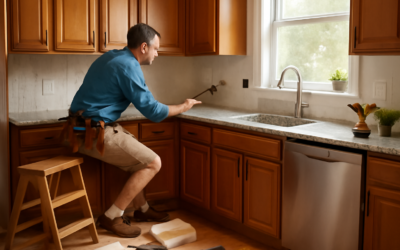
The kitchen sells the house, which is why thoughtful kitchen updates consistently rank among the best returns. The key word is updates, not gut renovations. A minor kitchen remodel, new cabinet fronts or paint, updated hardware, a fresh countertop, modern faucet, and energy-efficient appliances, typically returns far more of its cost than a full luxury overhaul.
A complete high-end kitchen renovation can cost tens of thousands and recoup a smaller percentage, because much of the spend is taste-specific. Focus on clean, neutral, functional improvements that photograph well and appeal broadly. Refacing rather than replacing cabinets is one of the highest-leverage moves available.
Curb Appeal and Exterior Improvements
First impressions drive offers, and exterior projects punch above their weight. Buyers form an opinion before they walk through the door, so the front of the home and the entry deserve investment. Several exterior upgrades regularly top ROI rankings.
- New garage door: one of the most consistent high-ROI projects, often recouping most of its cost
- Front door replacement: a steel or quality entry door boosts both appeal and security
- New siding or fresh exterior paint: transforms the look and signals a well-kept home
- Landscaping and lawn care: tidy, healthy grounds add value cheaply
These projects are visible, broadly appealing, and relatively affordable, which is exactly the recipe for strong returns.
Bathroom Refreshes
Like kitchens, bathrooms reward smart updates over total reinvention. Re-grouting tile, replacing a dated vanity, updating fixtures and lighting, and adding fresh paint can modernize a bath for a modest sum and a solid return. Adding a bathroom where a home is short on them, such as creating a second full bath in a one-bath house, can also add meaningful value.
Beware over-improving, though. A spa-like primary bath in a starter home rarely returns its cost. Match the level of finish to the home and neighborhood, and keep choices neutral so they appeal to the widest range of buyers.
Energy Efficiency and Functional Upgrades
Buyers increasingly value lower operating costs, and efficiency upgrades blend ROI with everyday savings while you still live there. New energy-efficient windows, added attic insulation, and a modern HVAC system improve comfort, cut utility bills, and appeal to cost-conscious buyers.
Insulation in particular offers a strong, often-overlooked return for its low cost. Functional fixes also matter: repairing the roof, updating an old electrical panel, and addressing any deferred maintenance protect value, because visible neglect scares buyers and invites lowball offers more than missing luxury features ever could.
Renovations That Often Don’t Pay Off
Some popular projects rarely recoup their cost, and knowing them saves money. Highly personalized or luxury-tier additions tend to disappoint at resale.
- Swimming pools: expensive to install and maintain, and a turn-off for some buyers
- High-end luxury kitchen or bath remodels: overcapitalize most homes
- Sunrooms and elaborate additions: high cost, modest resale return
- Highly personalized features: built-in tech, bold finishes, niche layouts
- Converting bedrooms to specialty rooms: reducing bedroom count usually lowers value
This does not mean never do them. If you will enjoy a pool for a decade, that is your call, just do not expect to recover the cost at sale.
Renovating for Resale Versus Living
Your timeline changes the calculus. If you are selling within a year or two, prioritize the proven high-ROI, broadly appealing updates: paint, kitchen and bath refreshes, curb appeal, and any needed repairs. Keep everything neutral and move-in ready.
If you plan to stay for years, you can weigh enjoyment alongside ROI and invest in what genuinely improves your daily life, knowing efficiency upgrades will at least pay you back in lower bills. Either way, get multiple contractor quotes, since costs and returns vary by region, and avoid spending so much that you become the most expensive home on your street.
Low-Cost Updates With Outsized Returns
You do not need a big budget to move the value needle. Some of the highest-ROI improvements cost a few hundred dollars and a weekend of work. A fresh coat of neutral paint throughout is the single best value in real estate, instantly making a home feel cleaner, brighter, and more move-in ready for a fraction of the cost of any structural change.
- Interior paint in neutral tones: the cheapest way to refresh an entire home
- Updated light fixtures and hardware: modernizes rooms for very little
- Deep cleaning and decluttering: free, and it makes everything show better
- New faucets and cabinet pulls: small swaps with a polished payoff
- Refreshed landscaping and mulch: instant curb appeal on a budget
These small touches signal that a home has been cared for, which reassures buyers and supports a stronger offer without a major outlay.
How Location Shapes the Best Choice
Where your home sits changes which renovations pay off. In a hot seller’s market, even minor cosmetic updates can yield strong returns because buyers compete. In a slower or buyer’s market, function and condition matter most, and major projects are less likely to be recouped, so prioritize repairs and broad-appeal refreshes.
Climate and regional preferences play a role too. A finished basement is prized in colder regions, while outdoor living spaces shine in warm climates. Energy upgrades carry more weight where utility costs are high. The smartest move is always to study comparable sales in your own neighborhood and ask a local real estate agent what buyers there actually want, then renovate to meet that demand rather than guessing.
The Bottom Line
The renovations that add the most value are usually the smart, moderate, broadly appealing ones, not the grandest. Minor kitchen and bath updates, fresh paint, strong curb appeal led by the garage and front doors, and energy-efficiency improvements consistently return the most per dollar. Steer clear of over-personalized luxury projects that rarely recoup their cost, and never neglect basic maintenance. Match your spending to your neighborhood and your timeline, gather local quotes, and your renovation dollars will work as hard for your home’s value as they do for your enjoyment of it.