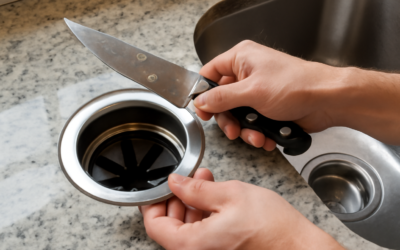
Roughly half of American kitchens have one bolted under the sink, yet plenty of homeowners never learn to use it well or wonder why it is there at all. So what is a garbage disposal used for? In short, it grinds soft food scraps into tiny particles that flush safely down the drain, keeping that waste out of your trash can and reducing the odor and pests that come with rotting food. Used correctly, it is a genuine convenience; used wrong, it is a clog and repair magnet.
The Basic Purpose
A garbage disposal sits between your sink drain and the plumbing trap, and its job is to shred food waste small enough to wash away with running water. Instead of scraping plate scraps into the trash where they smell and attract flies, you rinse them down the drain and the disposal pulverizes them into a slurry.
The result is a cleaner kitchen, fewer trips to empty a stinking garbage bag, and less food waste sitting in a landfill. For households that cook often, it removes one of the more unpleasant daily chores.
How It Actually Works
Contrary to popular belief, a disposal does not have sharp spinning blades. Inside the grinding chamber is a rotating plate called a flywheel with two blunt metal impellers that swing freely. When you switch it on, the flywheel spins fast and flings food waste outward against a stationary grind ring lined with teeth.
That combination shreds the waste into fine particles, which the running water then carries down the drain. The impellers are blunt because the grinding happens against the ring, not by cutting, which is also why hard objects jam the mechanism instead of being sliced.
What You Can Safely Grind
Disposals handle soft, biodegradable food scraps best. Good candidates include:
- Fruit scraps and small pits removed, plus soft vegetable trimmings
- Cooked leftovers, rice, and pasta in small amounts
- Small bits of meat and eggshells
- Citrus rinds, which also help freshen the chamber
- Coffee grounds in small quantities, though frequent grinding can build up
The rule of thumb is simple: if it is soft enough that you could comfortably chew it, the disposal can probably handle it in modest amounts with plenty of cold water.
What to Never Put Down It
Just as important is knowing what will damage the unit or clog your pipes. Keep these out entirely:
- Grease, oil, and fat: They solidify in the pipes and cause stubborn clogs downstream.
- Fibrous vegetables: Celery, corn husks, artichokes, and onion skins wrap around the flywheel.
- Starchy expanders: Large amounts of pasta, rice, and potato peels swell and paste up the drain.
- Hard items: Bones, fruit pits, and shells jam or dull the mechanism.
- Non-food: Glass, metal, and plastic can destroy the unit.
Coffee grounds and eggshells are debated; small amounts are fine, but regular heavy loads contribute to buildup over time.
The Right Way to Use One
Technique matters as much as what you grind. Always run a strong stream of cold water before you switch the disposal on, keep it running the entire time you feed scraps, and let it run for another 15 to 20 seconds after the grinding sound smooths out. Cold water is specified because it keeps any fats solid so they get chopped and flushed rather than melting and coating the pipes.
Feed waste in gradually rather than stuffing the chamber, and never pack it full before turning it on. Patient, small-batch grinding with plenty of water is the whole secret to a disposal that lasts a decade.
Benefits and Drawbacks
The upside is real: less kitchen trash, fewer odors, fewer pests, and diverting food waste from landfills, where it produces methane. Disposals are inexpensive to run, using only a small amount of electricity and water per use.
The trade-offs are that they require correct use to avoid clogs, they are not suited to homes on delicate septic systems without a septic-rated model, and they add a small maintenance burden. For most kitchens the convenience clearly outweighs the downsides.
Continuous-Feed vs Batch-Feed Models
If you are shopping for a disposal, one distinction shapes how you will use it daily. Continuous-feed units, the most common type, run whenever the wall switch or air button is on, so you feed scraps in while it runs. They are convenient and inexpensive, and they handle steady loads well.
Batch-feed models only operate when a special stopper is inserted and turned, which acts as a safety interlock. They cost more and grind one batch at a time, but the design makes it nearly impossible to run the unit accidentally with a hand or utensil inside. Households with young children often prefer batch-feed for exactly that reason.
Disposals and Your Plumbing System
How a disposal interacts with the rest of your plumbing matters for trouble-free use. The unit connects to the drain trap and, in many kitchens, shares a line with the dishwasher, whose discharge hose loops into the disposal. Keeping the disposal clear therefore helps the dishwasher drain properly too.
If your home is on a septic system, choose a septic-safe or septic-assist disposal, since these grind finer and some inject enzymes to help break down the extra solids. Standard disposals can overload a small or aging septic tank. Either way, running plenty of cold water with every use is what keeps ground waste moving all the way through the pipes rather than settling and clogging downstream.
Is a Garbage Disposal Worth It?
If you cook regularly and generate daily food scraps, the answer is usually yes. A quality unit runs $80 to $250, installs in about an hour, and pays you back in cleaner counters and fewer garbage runs for years. Now that you know exactly what is a garbage disposal used for, the key is feeding it the right waste with plenty of cold water and keeping the forbidden items out. Do that, and it quietly earns its spot under your sink.