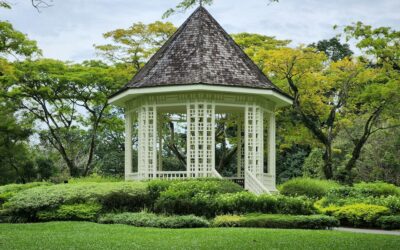
If you are eyeing that empty corner of the backyard and asking what is gazebo used for, you are not alone. A gazebo is far more than a decorative wooden roof on posts; understanding what is gazebo used for helps you justify the investment and design the structure around how you actually live outdoors. From shaded dinners to hot tub covers, a well-placed gazebo turns underused yard space into a genuine outdoor room. This guide walks through the practical uses, materials, sizes, and costs so you can plan with confidence.
Part of our Decks & Outdoor guide — explore the full guide →
- Outdoor Dining and Entertaining
- Shade and Sun Protection
- Hot Tub Cover and Spa Retreat
- Garden Focal Point
- Outdoor Living Room and Reading Nook
- Weddings, Events, and Special Occasions
- Grilling Shelter and Cooking Station
- Gazebo vs. Pergola vs. Pavilion
- Materials and Roof Styles
- Common Sizes and Cost Ranges
- With or Without Screens
- Placement Tips
- Final Thoughts
Outdoor Dining and Entertaining
The single most popular use is dining and hosting. A 12×12-foot gazebo comfortably seats a six-person patio table with room to walk around, while a 10×10 works for a bistro set or four-seat table. Homeowners string cafe lights along the rafters, mount a ceiling fan, and run a weatherproof outlet so the space functions day and night.
For entertaining, the open-sided design keeps guests connected to the yard while the roof handles sun and light drizzle. Pair it with a nearby grill station and you have a self-contained party zone that keeps food, drinks, and people out of direct sun on a 90°F afternoon.
Shade and Sun Protection
A solid roof blocks roughly 100 percent of direct overhead sun, which matters in regions where summer temperatures climb past 95°F. Unlike an umbrella that you constantly reposition, a fixed gazebo delivers consistent shade over a defined footprint all day. Add curtains or insect screens and you can also cut UV glare from low afternoon angles.
Hot Tub Cover and Spa Retreat
Placing a hot tub under a gazebo is a favorite use because the roof shields the water from leaves, rain, and snow load while giving bathers privacy. A standard square hot tub fits well under a 10×10 or 12×12 structure. Confirm the deck or pad can carry the weight first: a filled tub with occupants can exceed 4,000 to 6,000 pounds, so a 4-inch reinforced concrete slab or properly rated deck framing is essential.
Garden Focal Point
Beyond function, gazebos serve as a visual anchor. Set at the end of a path or in the center of a flower bed, the structure draws the eye and gives the landscape a destination. Climbing roses, wisteria, or clematis trained up the posts blend the gazebo into the garden over two or three growing seasons.
Outdoor Living Room and Reading Nook
Furnish a gazebo with weatherproof sofas, a coffee table, and an outdoor rug and you create a true second living room. On a smaller scale, a single wicker chair, a side table, and a roll of bamboo shade turn the same structure into a quiet reading nook. Because the roof tempers both sun and light rain, you get more usable hours than an open patio.
Weddings, Events, and Special Occasions
Octagonal gazebos in particular photograph beautifully and frequently host small ceremonies, vow renewals, and milestone celebrations. The defined structure gives a focal point for an altar or head table, and the railings hold floral garlands and fabric draping with ease. Many homeowners recoup part of their cost by hosting events that would otherwise require a rented tent.
Grilling Shelter and Cooking Station
A gazebo positioned over an outdoor kitchen keeps the cook out of the rain and sun. Maintain at least 3 feet of clearance between an open flame and any combustible roof, and choose metal or fire-rated roofing over a charcoal or gas grill. Dedicated grill gazebos, usually around 8×5 feet with a vented hard top, are sized specifically to shelter a single grill plus a prep counter.
Gazebo vs. Pergola vs. Pavilion
People often confuse these three structures, but the differences are clear once you know what to look for.
- Gazebo: Freestanding, fully roofed, usually octagonal or square, often with a railing. Provides complete overhead cover.
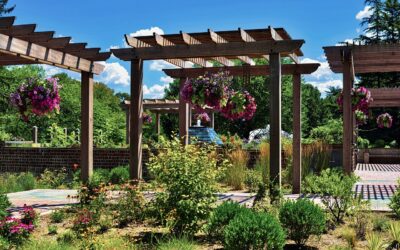
- Pergola: Open-roofed with slats or rafters that filter sun rather than block it. Offers partial shade and a frame for climbing plants.
- Pavilion: A larger, open-sided structure with a solid roof and no railing, typically rectangular and built to shelter big gatherings or vehicles.
If your goal is rain protection and a defined room, the gazebo wins. If you want dappled light and an airy garden feature, lean toward a pergola.
Materials and Roof Styles
Material choice drives both look and maintenance:
- Wood (cedar, pine, redwood): Classic appearance, easy to customize, but needs staining or sealing every 2 to 3 years.
- Vinyl: Low maintenance, resists rot and insects, wipes clean, and holds up well in humid climates.
- Metal (steel or aluminum): Durable, modern, and ideal for hard-top grill gazebos; powder-coated finishes resist rust.
- Soft-top (fabric canopy): The most affordable option, with replaceable polyester tops, though canopies typically last only a few seasons before fading.
Common Sizes and Cost Ranges
Pick a size based on how you answered the question of what a gazebo is used for in your own yard. A 10×10-foot model suits dining for four or a hot tub; a 12×12 handles a six-seat table; and a 12×14 gives room for a full lounge set plus circulation. As a rough rule, allow 18 to 24 inches of walking space around any furniture inside.
Cost varies widely with material and labor:
- Soft-top fabric kit: $300 to $1,500
- Metal hard-top kit: $1,500 to $4,000
- Wood or vinyl kit (DIY assembly): $3,000 to $8,000
- Custom-built professional installation: $7,000 to $20,000 or more
With or Without Screens
Adding screen panels converts an open gazebo into a bug-free season room. Screens are invaluable near water or wooded lots where mosquitoes are heavy, and they typically add $500 to $2,500 depending on size and quality. The trade-off is slightly reduced airflow and a more enclosed feel, so many owners choose removable or roll-down screens for flexibility.
Placement Tips
Where you set the gazebo matters as much as what you build. Choose level ground, or plan to pour a 4-inch concrete pad or lay a paver base for stability. Orient the structure to capture prevailing breezes and morning sun while shading the hottest afternoon exposure. Keep it at least 10 feet from the house if you want a true outdoor-room feel, and check local setback rules and permit requirements before digging, since many municipalities treat anything over 120 square feet as a permitted structure.
Final Thoughts
So, what is a gazebo used for? Practically anything you want to do outdoors in comfort, from quiet morning coffee to a full wedding reception. Match the size, material, and screening to your primary use, prepare a solid base, and place it to make the most of sun and shade. Done right, a gazebo becomes the most-used square footage in your entire backyard.