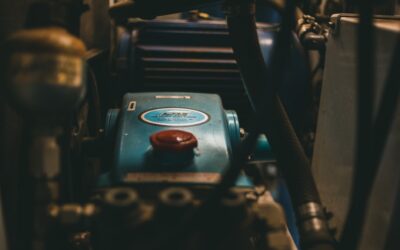
Here is the answer most people are missing: a gas pressure washer actually needs what kind of oil does a pressure washer use answered twice, because there are two separate systems that each take a different oil. The engine takes standard small-engine oil like SAE 30 or 10W-30, while the pump takes a specialized non-detergent pump oil, usually SAE 30 or a 15W-40. Mix those up and you will either foul your engine or destroy your pump, so understanding the distinction is the most important maintenance knowledge a pressure-washer owner can have.
Two Systems, Two Different Oils
Every gas pressure washer is really two machines bolted together. The engine, typically a Honda GX, a Briggs & Stratton, or a Kohler, burns gasoline to create rotational power. That power spins the pump, which pressurizes water. Each has its own oil reservoir and its own oil requirement, and they are not interchangeable.
Electric pressure washers, by contrast, have no engine and often use a sealed, lubricated-for-life pump, so many need no oil changes at all. If you own an electric unit, check the manual; you likely only ever worry about the pump, if that.
Engine Oil: SAE 30 or 10W-30
The engine on a gas pressure washer takes the same detergent oil as a lawn mower or generator. Your two main choices:
- SAE 30 — the classic single-weight choice for warm-weather operation above 40°F
- 10W-30 — a multi-viscosity option that flows better in cold starts and covers a wider temperature band
- Synthetic 5W-30 — best for very cold operation and offers longer protection
For most homeowners washing decks and driveways in mild to warm weather, SAE 30 is the traditional pick, while 10W-30 is a fine year-round substitute. Always confirm with your engine manufacturer’s manual, since Honda and Briggs both print a recommended viscosity chart based on ambient temperature.
Engine Oil Capacity
Small pressure-washer engines hold surprisingly little oil, typically between 15 and 21 ounces (roughly 0.4 to 0.6 quart). Because the sump is so small, the oil works hard and degrades faster than a car’s, so do not skip changes. Many of these engines have no oil filter, so a clean change is your only defense against wear.
Pump Oil: Non-Detergent and Specialized
The pump is where people make expensive mistakes. A pressure-washer pump uses a non-detergent oil, and detergent-based engine oil is the wrong choice here. Detergent oils are designed to hold contaminants in suspension, which is exactly what you do not want in a precision pump, where those particles would circulate and cause wear.
Manufacturers specify a dedicated pump oil, often labeled simply “pump oil” or sold as a 30-weight non-detergent, and some pumps call for a 15W-40. Common weights and products:
- SAE 30 non-detergent pump oil — the most common factory recommendation
- 15W-40 — specified by some pump makers like AR and Cat Pumps
- Manufacturer branded pump oil — the safest bet, sold by AR North America, Comet, and others
When in doubt, buy the branded pump oil that matches your pump’s manufacturer. The bottle costs about $10 and removes all guesswork.
Pump Oil Capacity
Pumps hold even less oil than engines, usually between 4 and 8 ounces. Some residential pumps are sealed and labeled maintenance-free, meaning you never change the oil and simply replace the whole pump if it fails. Check for a fill cap or a sight glass; if your pump has neither, it is likely sealed.
How to Check and Change the Oil
Changing engine oil on a pressure washer follows the same routine as a mower:
- Run the engine a few minutes to warm and thin the oil, then shut it off.
- Disconnect the spark plug wire for safety.
- Place a drain pan under the engine and remove the drain plug or tip the unit to pour out the old oil.
- Reinstall the plug, then refill through the fill port to the top of the dipstick threads or the full mark.
- Wipe up spills, reconnect the spark plug, and check for leaks.
For the pump, locate its separate fill plug, drain the old oil into a pan, and refill to the sight-glass line with the correct non-detergent pump oil. Never overfill either reservoir, since excess oil causes foaming and poor lubrication.
How Often to Change Each Oil
Intervals differ between the two systems:
- Engine oil — change after the first 5 hours (break-in), then every 50 hours or once per season
- Pump oil — change after the first 50 hours, then every 200 to 300 hours or annually
Most homeowners run their washer only a handful of hours a year, so an annual change of both, done at the start of each cleaning season, keeps everything healthy. Fresh oil going into winter storage also prevents corrosion inside the crankcase.
Common Mistakes to Avoid
A few errors show up again and again:
- Using engine oil in the pump — detergent oil damages the pump over time
- Using pump oil in the engine — non-detergent oil lets deposits build up in the engine
- Overfilling — causes foaming, smoking, and poor lubrication in both systems
- Skipping the break-in change — the first oil carries metal particles from initial wear
- Ignoring the pump entirely — a seized pump often costs more than a new washer
Cold Weather and Synthetic Options
Temperature changes which oil serves you best. In cold climates or early-spring and late-fall use below 40°F, a straight SAE 30 thickens and makes the engine harder to start, so switch to a 10W-30 or a synthetic 5W-30 that flows freely when cold. In sustained hot weather or heavy continuous use, a synthetic 10W-30 or 15W-40 holds its viscosity better under high engine temperatures.
Full synthetic oils cost more, roughly $8 to $12 a quart versus $5 for conventional, but they resist thermal breakdown and extend the interval between changes. For a machine you run only a few hours a year, conventional oil is perfectly adequate; for a washer that sees heavy seasonal use, synthetic is a worthwhile upgrade that buys peace of mind.
Reading Your Engine Manual
The single most reliable source for the right oil is the engine manufacturer’s manual, not the pressure-washer brand. Honda, Briggs & Stratton, and Kohler each print a viscosity chart keyed to ambient temperature, and following it removes all guesswork. The engine model number is stamped on the engine housing, and you can look up the exact specification online in minutes if you have misplaced the paperwork.
Signs Your Oil Needs Changing
Beyond the scheduled intervals, a few symptoms tell you the oil is overdue for a change:
- Dark, gritty oil on the dipstick — the oil has collected combustion byproducts and lost its protective additives
- A burnt smell — indicates overheated, degraded oil
- Milky or foamy appearance — signals water contamination, common after storage
- Increased engine noise or rough running — worn-out oil no longer cushioning internal parts
Checking the oil takes seconds and should become a habit before each use. Pull the dipstick, wipe it, reinsert it fully, and read both the level and the color. Clean amber oil at the full mark means you are good to go; anything dark, low, or milky means it is time for fresh oil before you start the engine.
The Short Answer
So, when someone asks what kind of oil does a pressure washer use, the honest reply is: it depends which part you mean. Feed the engine a quality SAE 30 or 10W-30 detergent oil, and feed the pump a non-detergent SAE 30 or the manufacturer-specified pump oil. Keep the capacities small and accurate, change both roughly once a season, and never cross the two. Get that right and your washer will deliver years of reliable cleaning without the pump failure that sends so many machines to the curb prematurely.