
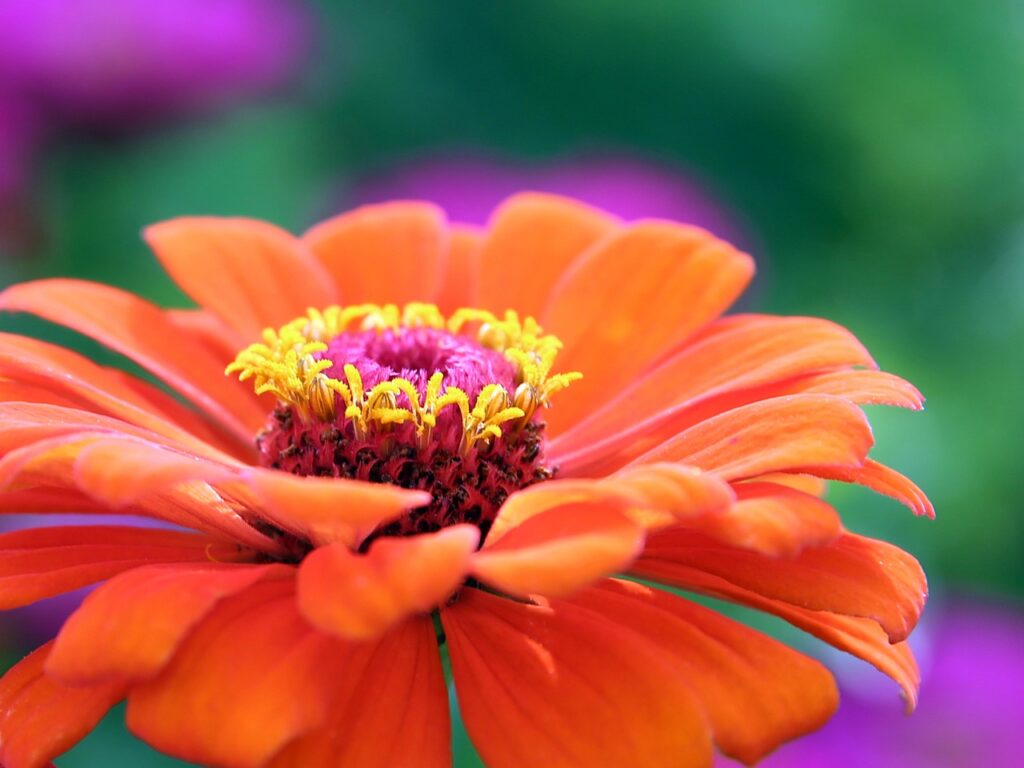
Knowing when to plant zinnia seeds is the key to a spectacular summer display of these vibrant, easy-to-grow flowers. Zinnias are warm-season annuals that thrive in heat and full sun, producing stunning blooms from midsummer through the first frost. Plant too early and cold soil will rot the seeds; plant too late and you will miss weeks of blooming potential. This guide gives you exact planting dates for every USDA hardiness zone, along with everything you need to know to grow beautiful zinnias from seed.
- Best Time to Plant Zinnia Seeds
- Planting Dates by USDA Zone
- Starting Indoors vs. Direct Sowing
- How to Plant Zinnia Seeds
- Best Zinnia Varieties to Grow
- Ideal Growing Conditions
- Zinnia Care Guide
- Common Problems and Solutions
- Zinnias for Cut Flower Gardens
- Frequently Asked Questions
- When should I plant zinnia seeds outdoors?
- Can I plant zinnia seeds directly in the ground?
- How long does it take for zinnias to bloom from seed?
- Do zinnia seeds need to be soaked before planting?
- Can I save zinnia seeds for next year?
- Will zinnias come back every year?
- What should I plant next to zinnias?
- Is it too late to plant zinnia seeds in July?
- Can you grow zinnias in pots?
- How long is the zinnia growing season?
- When should you plant zinnias in a cool-summer climate?
Best Time to Plant Zinnia Seeds
The golden rule for zinnia planting is simple: wait until all danger of frost has passed and soil temperature reaches at least 70 degrees Fahrenheit. Zinnias are tropical plants that cannot tolerate any frost and germinate poorly in cold soil.
For most regions, this means planting zinnia seeds outdoors in late spring to early summer. In warmer climates (USDA zones 9-11), you can plant as early as March. In cooler northern zones (3-5), wait until late May or June.
If you want earlier blooms, start seeds indoors 4-6 weeks before your last expected frost date. However, zinnias germinate so quickly (5-7 days) and grow so fast that many gardeners prefer direct sowing outdoors for simplicity. Learn more about seed starting basics in our seed germination guide.
Planting Dates by USDA Zone
| USDA Zone | Last Frost Date (Avg) | Direct Sow Outdoors | Start Indoors | First Blooms Expected |
|---|---|---|---|---|
| Zone 3 | May 15-30 | June 1-15 | April 15-May 1 | Late July-August |
| Zone 4 | May 10-25 | May 25-June 10 | April 10-25 | Mid-July-August |
| Zone 5 | April 30-May 15 | May 15-June 1 | April 1-15 | July |
| Zone 6 | April 15-30 | May 1-15 | March 15-April 1 | Late June-July |
| Zone 7 | April 1-15 | April 15-May 1 | March 1-15 | June-July |
| Zone 8 | March 15-31 | April 1-15 | February 15-March 1 | Late May-June |
| Zone 9 | February 15-28 | March 1-15 | February 1-15 | May-June |
| Zone 10 | January 31 | February 15-March 1 | January 15-February 1 | April-May |
| Zone 11 | Frost-free | Year-round | Not necessary | 6-8 weeks after planting |
Pro tip: For continuous blooms throughout the season, make successive plantings every 2-3 weeks through midsummer. The last planting should be at least 8-10 weeks before your expected first fall frost date.
Starting Indoors vs. Direct Sowing
| Factor | Starting Indoors | Direct Sowing Outdoors |
|---|---|---|
| Timing advantage | Blooms 2-3 weeks earlier | Standard bloom time |
| Germination rate | High (controlled environment) | Moderate (weather dependent) |
| Transplant shock | Possible – zinnias dislike root disturbance | None |
| Effort level | More involved | Very easy |
| Best for | Short growing seasons (Zones 3-5) | Zones 6-11, most gardeners |
| Recommended | Only for gardeners in cold zones | Preferred method for most |
Why Direct Sowing Is Usually Better for Zinnias
Unlike many flowers, zinnias actually perform better when direct sown because:
- They germinate very quickly (5-7 days) so the head start from indoor sowing is minimal
- They develop strong taproots that do not transplant well
- Transplant shock can stunt growth and delay blooming
- They grow so rapidly outdoors that direct-sown plants often catch up to transplanted ones
How to Plant Zinnia Seeds
Direct Sowing Outdoors
- Choose the right spot: Select a location with full sun (6-8+ hours of direct sunlight daily) and well-drained soil.
- Prepare the soil: Loosen the top 2-3 inches of soil and mix in a thin layer of compost. Zinnias prefer fertile, well-drained soil with a pH of 5.5-7.5.
- Check soil temperature: Use a soil thermometer to confirm the soil is at least 70 degrees Fahrenheit. Seeds planted in cold soil will rot.
- Plant seeds: Sow seeds 1/4 inch deep, spaced 4-6 inches apart. If planting in rows, space rows 12-24 inches apart depending on the variety’s mature size.
- Water gently: Water the planted area with a gentle spray to avoid displacing seeds. Keep soil consistently moist until germination.
- Thin seedlings: Once seedlings are 3-4 inches tall, thin to their final spacing (6-18 inches apart depending on variety).
Starting Seeds Indoors
- Time it right: Start 4-6 weeks before your last expected frost date (no earlier).
- Use individual pots: Plant in individual peat pots or large cells to minimize root disturbance during transplanting. Zinnias resent having their roots disturbed.
- Plant 1/4 inch deep: Sow 1-2 seeds per pot in moist seed starting mix.
- Provide warmth: Maintain soil temperature of 70-80 degrees Fahrenheit. A seedling heat mat helps significantly.
- Provide light: After germination, place under grow lights for 14-16 hours daily or in the brightest window available.
- Harden off: Gradually expose seedlings to outdoor conditions over 7-10 days before transplanting.
- Transplant carefully: Plant the entire peat pot in the ground to avoid disturbing roots. If using plastic pots, remove seedlings gently with their entire root ball intact.
Best Zinnia Varieties to Grow
| Variety | Height | Flower Size | Best Use | Colors |
|---|---|---|---|---|
| Benary’s Giant | 36-48 inches | 4-6 inches | Cut flowers, back of borders | 10+ colors |
| State Fair Mix | 30-40 inches | 4-5 inches | Garden display, cut flowers | Mixed |
| Zinderella | 24-30 inches | 2-3 inches | Unique scabiosa-type blooms | Peach, lilac, purple |
| Profusion Series | 12-18 inches | 2-3 inches | Borders, containers, disease resistant | Red, orange, white, cherry |
| Thumbelina | 6-12 inches | 1-2 inches | Edging, containers, window boxes | Mixed |
| Queen Lime | 30-40 inches | 3-4 inches | Unique color, cut flowers | Lime green to blush |
| Oklahoma Series | 30-36 inches | 3-4 inches | Vigorous, abundant blooms | Mixed |
| Envy | 24-30 inches | 3-4 inches | Unusual green blooms | Chartreuse green |
Ideal Growing Conditions
| Factor | Ideal Condition | Notes |
|---|---|---|
| Sun | Full sun (6-8+ hours direct) | More sun = more blooms |
| Soil | Well-drained, fertile, pH 5.5-7.5 | Amend clay soil with compost |
| Soil Temperature | 70°F+ for germination | Use soil thermometer to verify |
| Air Temperature | 75-90°F daytime | Zinnias love heat |
| Watering | 1 inch per week | Water at base, avoid wetting foliage |
| Spacing | 6-18 inches (variety dependent) | Good air circulation prevents disease |
| Fertilizer | Balanced 10-10-10, monthly | Avoid high nitrogen (produces leaves over flowers) |
Zinnia Care Guide
Watering
Zinnias need about 1 inch of water per week. The most important watering rule is to water at the base of the plant, never overhead. Wet foliage is the primary cause of powdery mildew, the most common zinnia disease. Use drip irrigation or a soaker hose for best results.
Deadheading
Regular deadheading (removing spent flowers) encourages continuous blooming throughout the season. Cut spent blooms back to just above a leaf node, and the plant will produce two new flowering stems from that point. This keeps plants bushy and productive.
Pinching
When zinnia seedlings reach 8-12 inches tall, pinch off the top inch of the main stem. This encourages branching and results in a bushier plant with more flowers. Though it temporarily delays blooming, the payoff is significantly more blooms per plant.
Fertilizing
Apply a balanced granular fertilizer (10-10-10) at planting time, then feed monthly with a water-soluble fertilizer through the growing season. Avoid high-nitrogen fertilizers, which promote leafy growth at the expense of flowers.
Mulching
Apply 2-3 inches of organic mulch around zinnia plants to conserve moisture, suppress weeds, and moderate soil temperature. Keep mulch a few inches away from stems to prevent rot.
Common Problems and Solutions
| Problem | Cause | Solution |
|---|---|---|
| Powdery mildew (white coating on leaves) | Humid conditions, overhead watering, poor air circulation | Water at base only, space plants adequately, remove affected leaves, apply neem oil |
| Bacterial leaf spot | Wet foliage, overhead watering | Remove affected leaves, avoid overhead watering, improve air circulation |
| Aphids | Insect infestation | Spray with strong water jet, apply insecticidal soap, attract ladybugs |
| Japanese beetles | Insect infestation | Hand pick, apply milky spore to lawn, use beetle traps away from garden |
| Few flowers | Too much shade, excess nitrogen, not deadheading | Ensure full sun, use balanced fertilizer, deadhead regularly |
| Leggy plants | Insufficient sunlight, overcrowding | Full sun location, proper spacing, pinch seedlings early |
| Seeds not germinating | Soil too cold, planted too deep, old seeds | Wait for 70°F soil, plant 1/4 inch deep, use fresh seeds |
Zinnias for Cut Flower Gardens
Zinnias are among the best cut flowers for home gardeners. They are prolific producers, come in a wide range of colors, and last 7-12 days in a vase with proper care.
Best Varieties for Cutting
- Benary’s Giant: Long stems (18-24 inches), huge 4-6 inch blooms, the gold standard for cut zinnias
- Oklahoma Series: Strong stems, 3-4 inch fully double blooms, excellent vase life
- Queen Series: Unique colors (lime, red lime), 3-4 inch blooms, conversation starters in arrangements
Harvesting Tips
- Cut when flowers are 3/4 to fully open
- Harvest in the morning when stems are fully hydrated
- Cut stems long (12-18 inches) just above a leaf node
- Remove lower leaves that would sit below the waterline
- Place immediately in clean water with floral preservative
- The more you cut, the more zinnias produce – cutting is deadheading
Extending Vase Life
- Change water every 2 days
- Re-cut stems at an angle when changing water
- Keep the arrangement away from direct sunlight and heat sources
- Add floral preservative or a drop of bleach to prevent bacterial growth
- Remove any wilted flowers to prevent ethylene damage to remaining blooms
A dedicated cutting garden near your home adds beauty to both your outdoor spaces and interior rooms. Place floor mats at your entry points to prevent garden soil from tracking onto your indoor flooring.
Frequently Asked Questions
When should I plant zinnia seeds outdoors?
Plant zinnia seeds outdoors after all danger of frost has passed and soil temperature reaches at least 70 degrees Fahrenheit. For most regions, this is late April through early June depending on your USDA zone. Check the planting calendar table above for your specific zone.
Can I plant zinnia seeds directly in the ground?
Yes, direct sowing is actually the preferred method for zinnias. They germinate quickly (5-7 days), grow fast, and dislike transplanting. Simply plant seeds 1/4 inch deep in warm, well-drained soil after the last frost date.
How long does it take for zinnias to bloom from seed?
Zinnias typically bloom 60-70 days after planting from seed. Smaller varieties like Profusion may bloom in as few as 50 days, while giant varieties like Benary’s Giant may take 75-80 days to produce their first blooms.
Do zinnia seeds need to be soaked before planting?
No, zinnia seeds do not require soaking. They have thin seed coats that absorb moisture easily from the soil. Soaking is unnecessary and can actually increase the risk of rot. Simply plant in warm, moist soil.
Can I save zinnia seeds for next year?
Yes, zinnias are excellent for seed saving. Allow flowers to fully dry on the plant until the petals are brown and papery. Remove the flower head, pull apart the dried petals, and collect the arrow-shaped seeds. Dry for a few days, then store in a cool, dry place. Saved seeds remain viable for 3-5 years.
Will zinnias come back every year?
Zinnias are annual plants and do not come back from roots. However, they readily self-seed in warm climates. If you allow some flowers to go to seed and drop naturally, volunteer zinnia seedlings may appear the following spring without any effort on your part.
What should I plant next to zinnias?
Zinnias pair beautifully with other heat-loving annuals like marigolds, cosmos, sunflowers, and celosia. They also make excellent companion plants for vegetables, attracting pollinators that benefit tomatoes, squash, and peppers.
Is it too late to plant zinnia seeds in July?
In most zones, no. Zinnias usually bloom 60 to 70 days after sowing, so seeds planted in July still flower before the first fall frost wherever that frost arrives in October or later. Choose faster, compact varieties for late sowings, keep the seedbed evenly moist during hot weather, and make sure the last planting goes in at least 8 to 10 weeks before your first frost date.
Can you grow zinnias in pots?
Yes. Compact varieties such as Profusion grow well in containers at least 10 to 12 inches wide with drainage holes. Use a quality potting mix, place the pot where it gets 6 to 8 or more hours of direct sun, and water at the base whenever the top inch of mix dries out, since pots dry faster than garden beds.
How long is the zinnia growing season?
Zinnias grow and bloom from late spring until the first fall frost. After the first flowers open in early to mid summer, plants keep blooming for several months as long as they are deadheaded or cut regularly. A hard frost kills the plants, so in warm zones with long, frost-free seasons the display can last well into autumn.
When should you plant zinnias in a cool-summer climate?
Wait until late May or June, when nights stay mild and the soil has warmed to about 70 degrees Fahrenheit. In cooler, cloudy regions, choose the sunniest, warmest spot available, such as a south-facing bed or a raised bed that warms quickly. Starting seeds indoors in individual pots 4 to 6 weeks earlier gives plants a head start in short seasons.
Last updated: March 2026


