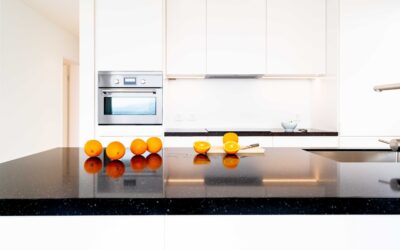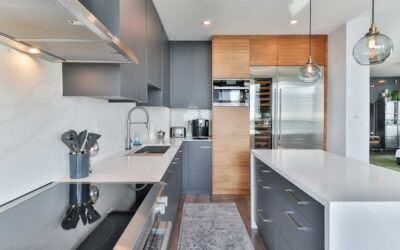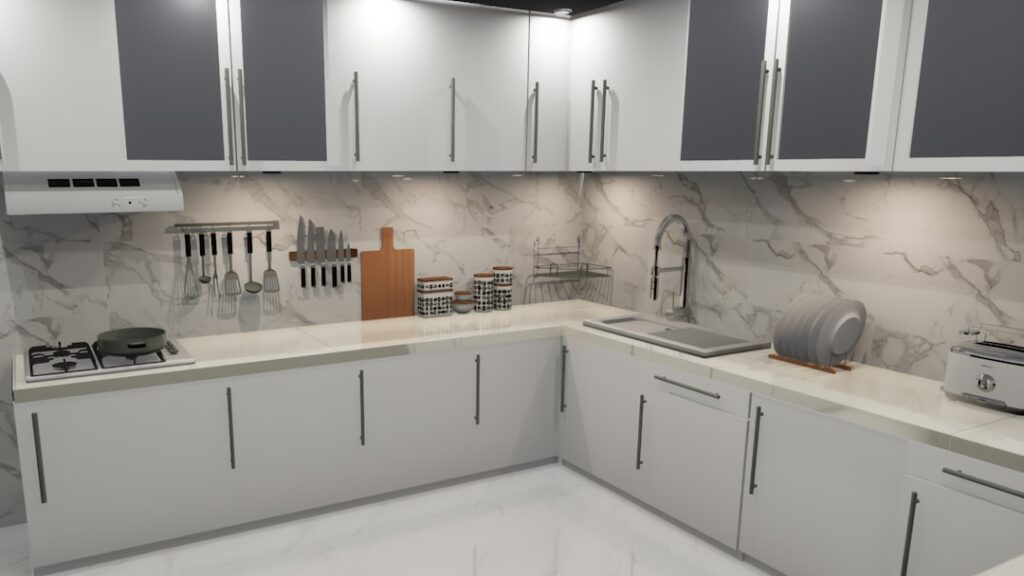
The combination of white kitchen cabinets with black countertops is among the most enduring design choices in American kitchens, consistently ranking near the top of homeowner preference surveys year after year. The high-contrast pairing feels both timeless and current, brightens the space while grounding it visually, and works in everything from a cozy cottage to a sleek modern home. This guide covers how to get the look right, from choosing materials to coordinating backsplash, flooring, and hardware.
Part of our Countertops guide — explore the full guide →
- Why This Color Combination Endures
- Choosing Your Countertop Material
- Matte vs. Polished Finishes
- Selecting the Right White for Your Cabinets
- Backsplash Ideas That Tie It Together
- Coordinating Flooring
- Hardware and Fixtures
- Adding Warmth So the Kitchen Feels Inviting
- Maintenance Tips for Lasting Beauty
- The Bottom Line
Why This Color Combination Endures
Black and white is the most classic contrast in design, and in a kitchen it delivers practical benefits alongside its striking appearance. White cabinets reflect light and make a room feel larger and cleaner, while dark countertops anchor the space, hide everyday crumbs and water spots, and create a crisp visual boundary. The pairing is endlessly flexible, reading traditional with shaker cabinets and marble-look stone, or ultra-modern with flat-panel doors and honed granite. Because neither color goes out of style, this scheme tends to age gracefully and appeal to future buyers.
Choosing Your Countertop Material
The countertop is the star of this pairing, so the material matters for both looks and durability. Popular black countertop options in the US market include:
- Granite, a natural stone prized for heat resistance and unique veining, with deep blacks like absolute black being especially popular.
- Quartz, an engineered stone that is non-porous, low-maintenance, and available in consistent solid blacks or marble-look patterns.
- Soapstone, a softer natural stone with a smoky, matte appearance that develops a patina over time.
- Black butcher block or dark-stained wood for a warmer, more rustic contrast.
- Laminate, the most budget-friendly choice, now offered in convincing stone-look black finishes.
Quartz is often the practical favorite because it resists stains and never needs sealing, while granite appeals to those who love natural variation.
Matte vs. Polished Finishes
The finish on a black countertop dramatically changes the mood of the kitchen. A polished, glossy surface reflects light, looks luxurious, and emphasizes depth, but it also shows fingerprints, water spots, and dust more readily. A honed or matte finish offers a soft, contemporary, velvety look that hides smudges better, though it can show oils and may require more diligent wiping. Consider how much daily upkeep you are willing to do, since a glossy black surface in a busy household can demand frequent cleaning to stay pristine.
Selecting the Right White for Your Cabinets
Not all whites are equal, and the undertone you choose sets the entire tone of the room. Bright, crisp whites create a clean, modern, high-contrast feel against black. Warmer whites with creamy or greige undertones soften the contrast and feel cozier and more traditional. Test paint or door samples in your actual kitchen light at different times of day, since north-facing rooms read cooler and can make a stark white feel sterile, while warm afternoon light flatters creamier tones.
Backsplash Ideas That Tie It Together
The backsplash is where you control how bold or balanced the kitchen feels. Several approaches work beautifully:
- Classic white subway tile keeps the look clean and bright, letting the countertop provide the drama.
- A marble or marble-look slab backsplash adds elegance and softens the black-and-white contrast with gray veining.
- Black or dark tile extends the countertop color upward for a bold, dramatic statement.
- A gray or patterned tile introduces a middle tone that bridges the two extremes.
- Natural wood or warm metallic accents add warmth to keep the palette from feeling cold.
For most kitchens, a light backsplash maintains brightness while the dark counter supplies contrast, but a bold backsplash can make a striking design centerpiece.
Coordinating Flooring
Flooring grounds the whole design and is your chance to add warmth. Medium to warm-toned wood floors are a perennial favorite because they balance the cool black-and-white palette with natural warmth. Light wood or light tile keeps things airy and modern, while dark floors create a dramatic, enveloping look that pairs the floor with the countertops. Gray-toned luxury vinyl plank and porcelain tile are durable, water-resistant options that suit busy kitchens. Whatever you choose, make sure the flooring undertone harmonizes with your white cabinet undertone to avoid clashing cool and warm tones.
Hardware and Fixtures
Hardware is the jewelry of the kitchen and offers an easy way to personalize the two-tone look. Matte black hardware reinforces the countertop color and creates a cohesive, modern feel. Brushed gold or brass adds warmth and a touch of luxury that pops against both the white and black. Stainless steel and chrome keep things classic and understated. For the faucet and sink, a black or matte fixture continues the dark accent, while a farmhouse apron sink in white emphasizes the bright cabinetry. Choosing one metal finish and carrying it throughout creates a polished, intentional result.
Adding Warmth So the Kitchen Feels Inviting
The biggest risk with black and white is that the kitchen can feel cold or stark. Counteract this with thoughtful warm elements: natural wood open shelving or a butcher-block island top, woven baskets and textiles, greenery and fresh herbs, and warm lighting with pendant fixtures over an island. Layering in these touches keeps the space feeling like a lived-in home rather than a showroom while preserving the crisp contrast you set out to create.
Maintenance Tips for Lasting Beauty
Keeping this look pristine takes modest, consistent effort:
- Wipe black countertops daily with a soft cloth to manage fingerprints and water marks, especially on polished surfaces.
- Seal natural stone like granite and soapstone as recommended, typically once a year, to protect against stains.
- Clean white cabinets promptly to prevent grease and splatter from yellowing the finish over time.
- Use cutting boards and trivets to protect both surfaces from scratches and heat.
- Choose pH-neutral cleaners for natural stone to avoid etching.
The Bottom Line
White kitchen cabinets with black countertops deliver a high-contrast, timeless look that brightens and grounds a kitchen at the same time. Success comes from choosing the right countertop material and finish, selecting a white undertone suited to your light, coordinating the backsplash and flooring thoughtfully, and layering in warm wood and natural touches so the space feels inviting. Get those elements working together and you will have a kitchen that looks fresh today and remains appealing for years to come.