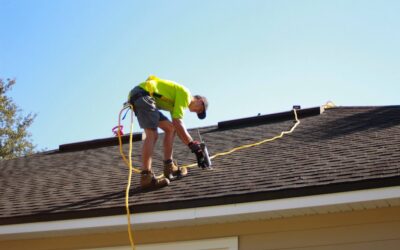

A roof that has weathered a quarter century of sun, storms, and freeze-thaw cycles is a problem for insurance companies, and they have gotten aggressive about it. If you are asking will insurance cover a 25 year old roof, the realistic answer is: sometimes for damage, rarely at full value, and increasingly not at all without a fight or a replacement first. Carriers have tightened roof-age rules dramatically over the last decade because roof claims are their single largest loss category. I inspect roofs at this age all the time, and most are one bad hailstorm away from a denial letter rather than a check.
Part of our Roofing guide — explore the full guide →
Let me walk through exactly how carriers treat aging roofs so you understand what will insurance cover a 25 year old roof really means for your policy and your wallet.
- Why Roof Age Matters So Much to Insurers
- The ACV-Only Trap on Older Roofs
- Non-Renewal and Coverage Refusal
- What Damage Can Still Be Covered
- How Adjusters Evaluate an Aged Roof
- Your Best Moves With a 25-Year-Old Roof
- What a Roof Certification Buys You
- 3-Tab vs. Architectural at 25 Years
- Replacing Before the Carrier Forces You
- The Realistic Bottom Line
Why Roof Age Matters So Much to Insurers
Asphalt shingles, the most common roofing in America, have a rated service life of 20 to 30 years depending on whether they are 3-tab or architectural. At 25 years, a 3-tab roof is past its expected life and an architectural roof is near the end of its. From the carrier’s actuarial view, that roof is far more likely to leak, fail, and generate a claim, so they price and restrict coverage accordingly.
The core issue is that insurance covers sudden accidental damage, not the gradual failure of a component that has reached the end of its usable life. An old roof blurs that line. When it finally leaks, the carrier can plausibly argue the cause was age, not a specific storm, and age is excluded.
The ACV-Only Trap on Older Roofs
Even when a 25-year-old roof suffers real storm damage, most carriers will only settle it at Actual Cash Value, the depreciated worth of the roof, rather than Replacement Cost Value. Many policies now contain roof-age endorsements that automatically convert coverage to ACV once the roof passes 15 or 20 years.
Run the math and you see why this matters. Asphalt shingles depreciate at roughly 5 percent per year on a 20-year product. A 25-year-old roof is effectively fully depreciated, so its ACV is close to scrap value, maybe 10 to 20 percent of replacement cost. On a $15,000 replacement, an ACV settlement might be $2,000 to $3,000, and after a $1,000 or 2 percent deductible, you could net a few hundred dollars or nothing at all. The damage may be covered on paper, but the payout is meaningless.
Non-Renewal and Coverage Refusal
Beyond payout limits, many carriers simply will not insure a roof this old. Common scenarios include:
- Refusing to write a new policy until the roof is replaced or certified with several years of life remaining
- Non-renewing an existing policy at the anniversary because aerial imagery flagged the worn roof
- Requiring a roof inspection and certification before renewal on any roof over 20 years
- Offering renewal only with an ACV roof endorsement and a higher wind/hail deductible
Insurers now use drone and satellite imagery to survey roofs at renewal without ever knocking on your door. If the images show curling, missing shingles, moss, or patchwork repairs, expect a letter demanding a replacement or dropping coverage.
What Damage Can Still Be Covered
A 25-year-old roof is not automatically uninsurable. Sudden, documented damage from a covered peril can still be paid, especially structural damage. If a tree crashes through the roof and cracks the decking and rafters, that is a sudden accident, and the structural repair is covered regardless of shingle age, though the shingle portion is still depreciated.
Wind and hail damage is trickier. The adjuster will look hard for signs the shingles were already brittle, cracked, or worn, and attribute the damage to age wherever plausible. A clean, sudden loss like a lightning strike or a neighbor’s tree is easier to get paid than a diffuse hail claim on aged shingles.
How Adjusters Evaluate an Aged Roof
When the adjuster climbs a 25-year-old roof, they document its overall condition first. Brittle shingles that crack when lifted, widespread granule loss exposing the mat, curled tabs, and prior patch repairs all support an age-related denial or a minimal ACV settlement. They photograph the general wear as much as the specific damage.
This is why a borderline claim on an old roof often backfires. You open a claim, the adjuster documents an end-of-life roof, you get a tiny check or a denial, and now there is a claim on your record and a flag on your renewal. On an aged roof, only file when the damage is severe, sudden, and clearly storm-caused.
Your Best Moves With a 25-Year-Old Roof
Get ahead of the carrier instead of waiting for a denial or non-renewal:
- Get an honest roof inspection to learn how much service life is genuinely left
- If the roof is sound, get a roof-certification letter from a licensed roofer to satisfy renewal requirements
- Shop carriers before you are non-renewed; some specialize in older homes but will still likely require ACV terms
- Budget for replacement now, because at 25 years you are on borrowed time regardless of what insurance does
- Keep your roof clean and free of moss and debris so aerial imagery does not flag it prematurely
What a Roof Certification Buys You
If your 25-year-old roof is genuinely still sound, a roof certification can keep your coverage alive. A licensed roofer inspects the roof and issues a signed letter stating its condition and estimated remaining service life, often 2, 5, or more years. Carriers use this to justify renewing an older roof rather than dropping it.
A certification typically costs $75 to $200 for the inspection and letter. It is worth pursuing when the roof has been well maintained, has no active leaks, and shows life left, tight, uncurled shingles with granules intact. But an honest roofer will not certify a roof that is failing, so if the inspection comes back poor, treat that as your signal to plan the replacement rather than fight for another year of shaky coverage.
3-Tab vs. Architectural at 25 Years
The shingle type on your roof changes the outlook. A 25-year-old 3-tab shingle roof, which was typically rated for 20 to 25 years, is at or past the end of its designed life; the shingles are usually brittle, curling, and shedding granules. Insurers and roofers alike will treat it as end-of-life, and a replacement is almost certainly due.
A 25-year-old architectural (dimensional) shingle roof, rated for 30 years, may have a few years left if it was well ventilated and installed correctly. It photographs better on aerial imagery and certifies more easily. Knowing which type you have helps you predict how carriers will treat it and whether a certification is even realistic.
Replacing Before the Carrier Forces You
The strongest position with an aging roof is to control the timing yourself. Replacing on your schedule lets you shop contractors, wait for off-season pricing, and avoid the emergency-repair premium you pay when a failing roof leaks in the middle of winter. It also resets your insurability: a brand-new roof qualifies for full RCV coverage again, often lowers your premium, and can qualify for discounts if you upgrade to impact-resistant (Class 4) shingles in hail country.
Get ahead of it with a simple plan:
- Get an honest inspection to confirm how much life remains
- Collect three itemized replacement estimates while you have time to compare
- Ask about impact-resistant shingles, which can earn an insurance discount
- Time the work for spring or fall shoulder seasons when roofers are less booked
- Notify your carrier once the new roof is on so your policy and rate are updated
The Realistic Bottom Line
Will insurance cover a 25-year-old roof? For a sudden, severe, well-documented loss, yes, but almost always at depreciated actual cash value that leaves you far short of a new roof, and only if the damage clears your deductible. For the gradual leaks and failures that age brings, no. Many carriers will also pressure you to replace the roof or drop your coverage entirely. The smart play at this age is to stop counting on insurance to fund the roof, plan the replacement on your own terms, and keep your policy healthy for the genuine catastrophes it is actually meant to cover.