Heating emergencies cluster in the first cold snap of the year, when every contractor in town is booked for days. A single hour of winter hvac maintenance in the fall prevents most of those calls. Clogged filters, blocked intake pipes, snow-buried heat pumps and dried-out humidifier pads cause far more no-heat nights than failed compressors or cracked heat exchangers.
Here is the core of it. Before cold weather arrives, replace the air filter, test the thermostat in heat mode, clear the supply vents and returns, make sure outdoor intake and exhaust pipes are unobstructed, prep the outdoor heat pump unit for snow and ice, swap the humidifier pad, and test every carbon monoxide alarm in the house. Then book a professional tune-up for anything involving burners, gas valves, refrigerant or electrical components.
This checklist covers gas furnaces, heat pumps, dual-fuel systems and boilers, so it goes broader than a furnace-only routine. Work through the sections that apply to your equipment.
Why Winter HVAC Maintenance Matters
Your heating system works hardest when temperatures drop, and small problems that went unnoticed in shoulder season become failures under load. A dirty filter can make a furnace overheat and shut down on its high-limit switch. A heat pump buried in drifting snow cannot pull air across its coil and falls back on expensive electric backup heat. An intake pipe blocked by frost or a bird nest can shut down a high-efficiency furnace in the middle of the night.
Good seasonal upkeep also affects safety. Combustion appliances produce carbon monoxide, and a properly vented, well-maintained system is your first line of defense. Working CO alarms are the second.
Safety First: Gas, Electricity and Carbon Monoxide
Some heating tasks are homeowner-friendly, and some are strictly for licensed technicians. Keep this line clear.
- If you smell gas, leave. Do not flip switches, light anything or use your phone inside. Get everyone out, then call your gas utility’s emergency line or 911 from outside.
- Burners, gas valves, pilot assemblies and gas piping are for a licensed pro. Do not adjust, disassemble or relight components beyond what your owner’s manual explicitly allows.
- Power down before opening panels. Turn off the furnace service switch (usually a light-style switch near the unit) and the breaker. Confirm the power is off with a non-contact voltage tester before removing any access panel. Never test or work on live electrical components.
- Test CO alarms. Press the test button on every carbon monoxide detector, and replace units past their expiration date, often printed on the back and typically 7 to 10 years from manufacture.
Tools and Supplies
- Correctly sized replacement air filters (check the size printed on the old filter frame)
- Replacement humidifier pad or evaporator panel for your model
- Fresh batteries for the thermostat and any battery-powered CO alarms
- Non-contact voltage tester
- Flashlight, screwdriver set and a shop vacuum with a brush attachment
- Soft broom or brush for clearing snow off an outdoor unit
- Carbon monoxide detectors if you need additional units (one near sleeping areas and one on each level is a common recommendation)
Step-by-Step Winter HVAC Maintenance Checklist
Indoor checks for every system
- Replace the air filter. Slide in a fresh filter with the airflow arrow pointing toward the blower. Standard 1-inch filters generally need replacement every one to three months in heating season; thicker media filters last longer.
- Test the thermostat. Switch to heat, set the temperature a few degrees above room temperature, and confirm the system starts within a few minutes. Replace thermostat batteries now rather than at 2 a.m. in January.
- Open and clear vents and returns. Walk every room. Pull furniture, rugs and curtains away from supply registers and return grilles. Blocked returns starve the system of air and strain the blower.
- Clear the space around the equipment. Keep storage boxes, paint cans, laundry and anything flammable well away from the furnace or boiler. Combustion appliances need open air around them.
- Check the condensate drain. High-efficiency furnaces and heat pump air handlers produce water. Make sure the drain line and any condensate pump are clear and the pump runs when water rises.
Gas furnace and boiler checks
- Look at the flame through the sight glass, if your unit has one, without removing burner covers. A steady blue flame is normal. Persistent yellow, lazy or flickering flames warrant a technician visit.
- Inspect the exterior vent and intake pipes. On high-efficiency furnaces, two PVC pipes usually exit through a wall or roof. Clear leaves, nests, snow and ice. Keep snowbanks and shrubs away from them all winter.
- Check the flue on older furnaces and boilers. Metal vent pipes should be firmly connected and free of rust holes or separated joints. Any damage is a call for a pro.
- Boiler owners: check the pressure gauge against the manufacturer’s normal range, look for leaks around valves and radiators, and have a technician handle bleeding or pressure adjustments if you are not familiar with your system.
Heat pump and outdoor unit checks
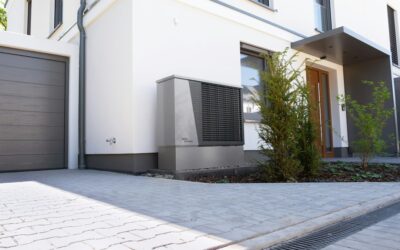
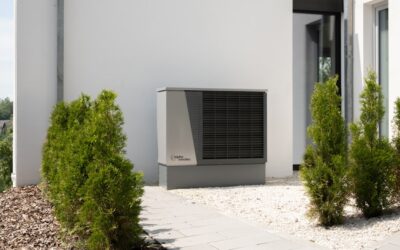
- Clear debris around the outdoor unit. Rake leaves, trim shrubs back to at least 2 feet, and remove anything leaning on the coil.
- Keep it elevated and clear of snow. The unit should sit on a pad or brackets above typical snow depth. After storms, gently brush snow off the top and sides with a soft broom. Never chip ice off the coil with a shovel or ice pick; you can puncture refrigerant tubing.
- Watch defrost cycles. A heat pump will periodically run in defrost, which may produce steam and a pause in heat. That is normal. A unit encased in solid ice that does not clear within a few hours needs service.
- Check gutter drip. Water dripping from a roof edge onto the unit can freeze into a solid block. Redirect gutters or add a small protective overhang that does not restrict airflow off the top.
- Do not cover a heat pump in winter. Unlike an air-conditioner-only condenser, a heat pump runs all season and needs full airflow.
Whole-house humidifier
Dry winter air is hard on hardwood floors, trim and skin. If your system has a bypass or fan-powered humidifier, turn off power and the water supply, replace the evaporator pad, clean scale from the tray, open the bypass damper if it has a seasonal setting, and set the humidistat to around 30 to 40 percent. Lower the setting on very cold nights if you see condensation on windows.
Troubleshooting Common Winter Heating Problems
The system runs but blows cool air
Check the filter first. On a heat pump, some cooler-feeling air is normal since output temperatures run lower than a furnace. On a gas furnace, cool air can signal an ignition problem or a tripped limit switch; call a technician if a new filter and thermostat check do not fix it.
The furnace short-cycles on and off
Dirty filters, a blocked return, an oversized system, or a thermostat placed near a heat source can all cause short cycling. Fix airflow issues yourself, then call a pro if cycling continues.
High-efficiency furnace shuts down in storms
Snow or ice blocking the intake or exhaust pipe is a common cause. Clear the pipes carefully. If the furnace does not restart after the pipes are clear and you have reset it according to the manual, schedule service.
Heat pump uses a lot of backup heat
Emergency or auxiliary heat is expensive. Check that the outdoor unit is clear and the thermostat is not set to emergency heat mode. Large temperature setbacks can also trigger backup strips on recovery, so use modest setbacks with heat pumps.
CO alarm sounds
Treat it as real. Get everyone outside into fresh air and call 911 or your gas utility. Do not go back in until responders say it is safe, and have the heating system inspected before using it again.
Professional Tune-Up and Cost Ranges
A professional heating tune-up goes deeper than any homeowner checklist. A technician typically inspects burners and flame sensor, checks the heat exchanger for cracks, measures gas pressure and combustion, tests safety controls, verifies the inducer and blower, and checks refrigerant and electrical connections on heat pumps.
A standard tune-up usually costs somewhere around $80 to $200 depending on region and system type, and many companies offer annual service agreements bundling heating and cooling visits. Your DIY costs are small: filters, a humidifier pad, batteries and perhaps a new CO alarm often total well under $100. Compare that with the price of an emergency weekend call during a cold snap.
When to Call a Pro
Call a licensed HVAC technician right away if you notice any of the following:
- A gas smell (leave the home first and call the utility from outside)
- Yellow or unstable burner flames, soot around the furnace, or visible rust on the heat exchanger area
- Repeated tripped breakers or burning smells
- A heat pump that stays iced over or runs constantly on emergency heat
- Water pooling around the furnace or boiler
- Any CO alarm activation
- Error codes or blinking control board lights you cannot resolve with a filter change and reset
Pair your own seasonal checklist with a yearly professional inspection and you will go into winter with a safer, more efficient system and far fewer surprises.
Frequently Asked Questions
When should I do winter HVAC maintenance?
Early fall is ideal, before nighttime temperatures regularly drop below about 50°F. Contractors have more availability then, and you catch problems before you actually need heat.
Should I cover my heat pump in winter?
No. A heat pump runs in heating mode all winter and needs unrestricted airflow. Keep it clear of snow and ice, but never wrap or cover it the way some people cover an air conditioner.
How often should I change my furnace filter in winter?
Standard 1-inch filters usually need changing every one to three months during heating season, more often with pets or during construction. Thicker media filters can last six months or longer.
Where should carbon monoxide detectors go?
Place at least one near sleeping areas and one on each level of the home, following the manufacturer’s instructions. Test them monthly and replace them by the expiration date.
Can I tune up my own furnace?
You can handle filters, vents, thermostat checks, humidifier pads and clearing intake pipes. Burners, gas valves, heat exchangers, refrigerant and electrical diagnostics should be left to a licensed technician.