
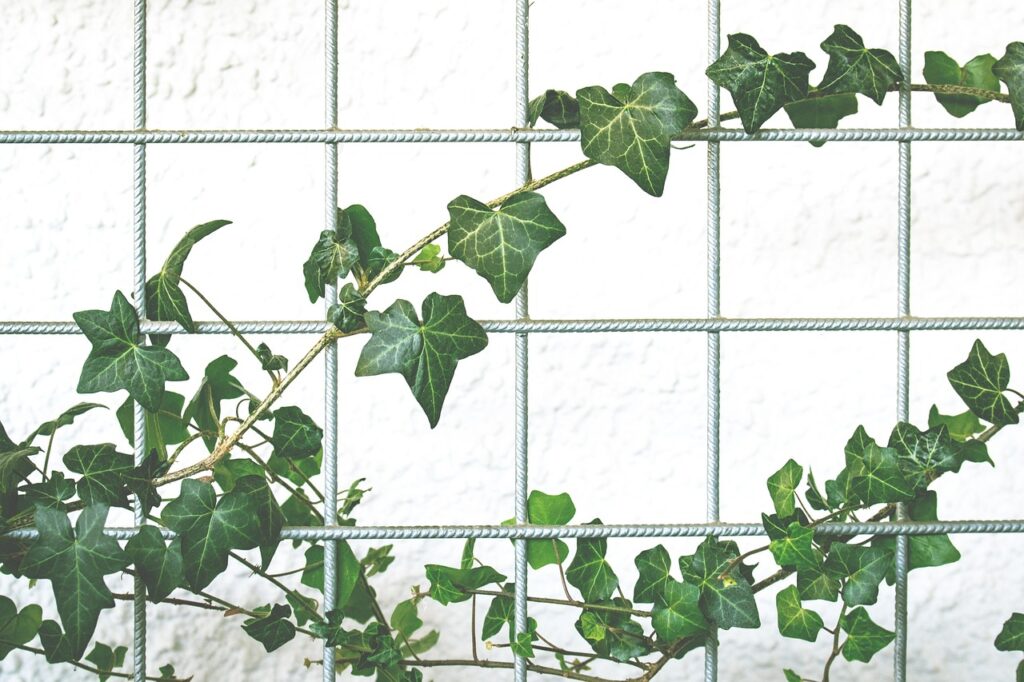
The first time most people see a wire plant in a hanging basket, they assume it is a string-of-pearls relative or a creeping fig. It is neither. Wire plant (Muehlenbeckia complexa) is a New Zealand native with hair-thin, wiry stems and tiny round leaves that cascade up to 3 feet from a 6-inch pot. It is one of the easiest indoor vines to maintain, tolerates a wide range of conditions, and looks like a sculptural piece even in a minimalist room. The plant is far more rewarding than its bargain-store price tag suggests.
What a Wire Plant Actually Is
Muehlenbeckia complexa belongs to the buckwheat family and grows naturally as a ground cover and climber across coastal New Zealand. Outdoors in USDA zones 8 through 11 it can reach 30 feet of vine length and form dense mats that cover slopes. Indoors it stays much smaller — typically 12 to 36 inches of vine from a tabletop or hanging pot.
The leaves are unusual: dime-sized, deep green, and held on stems so thin they actually look like dark wire. New growth glows light green before darkening, giving mature specimens a layered, two-tone appearance. Tiny white-green flowers appear in summer on outdoor plants but rarely indoors.
Light Requirements
Wire plant tolerates more light variation than almost any other indoor vine. Bright indirect light through an east or south-facing window produces the densest growth and best leaf color. The plant will survive in lower-light corners but the vines stretch and the foliage thins. Direct afternoon sun through a west window will scorch leaves in summer — diffuse it with a sheer curtain.
For office settings under fluorescent or LED lighting, wire plants do better than pothos or philodendrons. A 6-inch plant placed within 4 feet of a typical office ceiling fixture stays full and healthy for years.
Watering Schedule
Water deeply when the top inch of soil dries out. In a 6-inch pot, that usually means watering every 7 to 10 days in summer and every 14 to 21 days in winter. Wire plant tolerates short droughts well but does not like soggy roots — overwatering is the most common way people kill them.
Use the lift test: pick up the pot before watering. A dry pot feels noticeably lighter than a recently watered one. After a few cycles you will know exactly when to water without checking the soil. Reduce watering by about 30% in winter when growth slows.
Soil and Pot Selection
Standard houseplant potting mix works fine if you amend it for drainage. A reliable recipe:
- 2 parts standard indoor potting mix (Fox Farm Happy Frog or Espoma Organic)
- 1 part perlite or pumice for aeration
- 1/2 part orchid bark for structure
This blend drains in seconds while retaining enough moisture for the fine root system. Always use a pot with drainage holes — wire plants in decorative pots without drainage rot within a few months.
Temperature and Humidity
Wire plant is happy in standard indoor temperatures, 60 to 80 degrees Fahrenheit. It survives drops to about 30 degrees outdoors and short indoor cold snaps without damage. Above 90 degrees, especially with low humidity, the leaves can curl and brown at the edges.
Humidity is a non-issue for this species. It thrives in 30 to 60% relative humidity, which covers most American homes. Skip the humidifier and the pebble tray — neither is necessary.
Pruning and Training
Pinch the growing tips of any vine that gets too long. The plant responds with multiple side branches at the cut, doubling fullness within a few weeks. For a hanging basket, pinch every vine when it reaches 18 to 24 inches to encourage cascading rather than a long thin tail.
To train wire plant onto a small trellis or moss pole, simply weave the wiry stems through the structure. They are flexible enough to bend without breaking and stiff enough to hold position once placed. Larger specimens can climb a 4-foot trellis indoors and look like a living sculpture.
Propagation From Cuttings
Cuttings root easily. Take a 4 to 6 inch tip cutting just below a leaf node. Strip the bottom inch of leaves and dip the cut end in rooting hormone. Insert into damp potting mix or a small jar of water.
Roots emerge in 10 to 21 days. Once roots reach an inch long, transfer water-rooted cuttings to soil and keep moist for the first two weeks until established. Six cuttings in a 4-inch pot creates a full-looking starter plant within two months.
Common Problems and Fixes
Wire plants have very few pest issues. Spider mites can appear in dry winter rooms — rinse the foliage in the shower and treat with insecticidal soap if needed. Yellow leaves usually mean overwatering; let the soil dry completely and reduce frequency. Leaf drop after relocation is normal — the plant adjusts to new light within two weeks.
Crispy brown leaf tips point to underwatering or accumulated salts from tap water. Flush the pot thoroughly with distilled water every six months to leach out mineral buildup. After flushing, the plant typically pushes new growth within ten days.
Where Wire Plant Looks Best
The vines work in three favorite display styles: cascading from high shelves or mantels, hanging in macramé from a window, or trained onto a small wire frame for a topiary look. The thin texture pairs beautifully with broad-leafed plants like monstera or philodendron, providing visual contrast in a grouping. For a price under $15 at most garden centers, it is the best low-maintenance vining plant value on the market.


