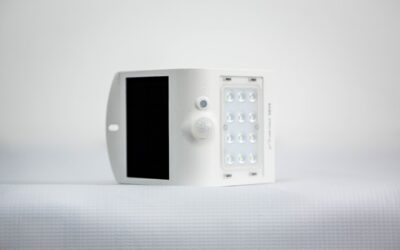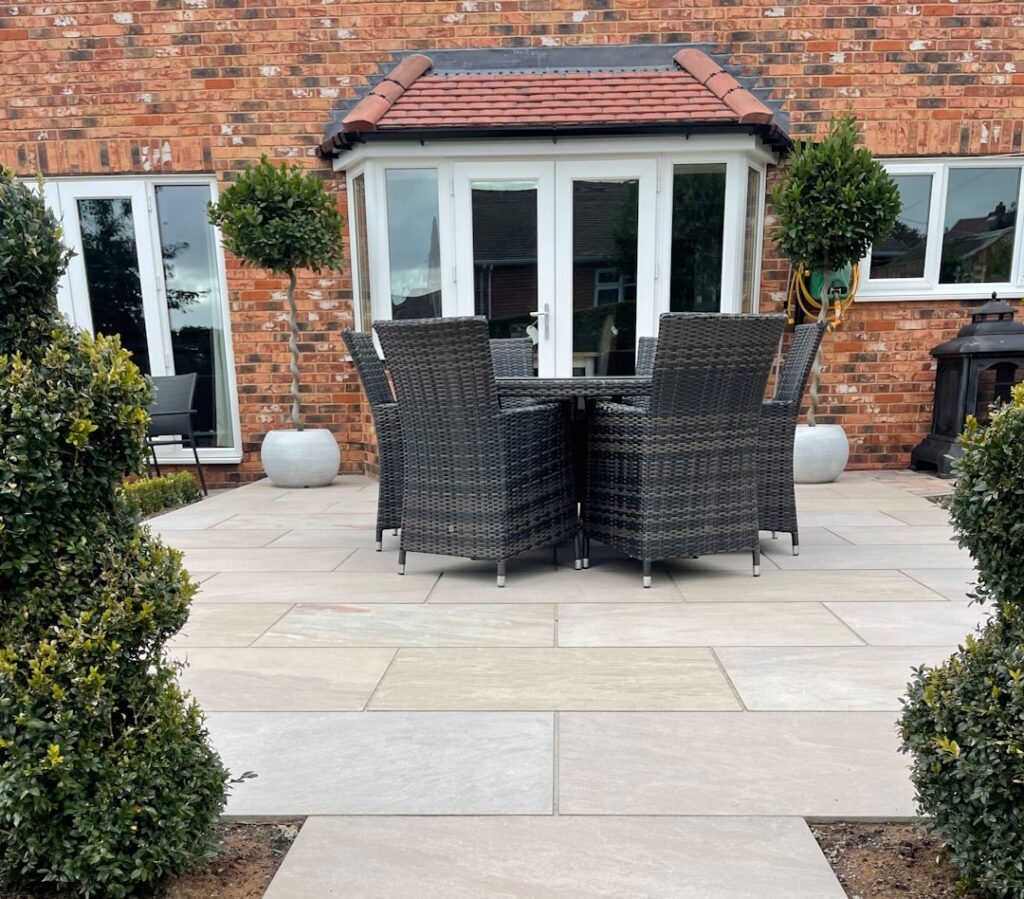
Trenching a wire across your yard to add one path light is the reason most outdoor lighting projects never happen. Wireless outdoor lighting removes that barrier entirely, letting you light a walkway, patio, fence, or garden in an afternoon with nothing but a screwdriver, no electrician, no permits, no digging. Powered by solar panels, rechargeable batteries, or a mix of both, these fixtures have gone from dim novelties to genuinely bright, reliable products. This guide explains the types, how to choose brightness, and where each option shines.
Part of our Windows & Doors guide — explore the full guide →
Why Go Wireless
Traditional low-voltage and line-voltage outdoor lighting means running cable, installing a transformer, and often calling a pro. Wireless systems skip all of it. You mount the fixture, and it powers itself from the sun or an internal battery. That freedom means you can put light exactly where you want it, on a fence post, deep in a garden bed, on a shed with no power, and move it later without rework.
The trade-off is that wireless lights depend on charging and battery life, so understanding the power source is the key to picking well.
Solar-Powered Lights
Solar is the most popular wireless category. A small photovoltaic panel charges an internal battery by day and the light runs automatically at dusk via a built-in sensor.
- Best for: pathways, driveways, garden accents, and fences that get direct sun.
- Pros: zero running cost, no wiring, fully automatic dusk-to-dawn operation.
- Cons: performance depends on sun exposure; output dims in winter and after cloudy stretches; batteries degrade over a few years.
The single biggest factor in solar success is panel placement. A light whose panel sits in shade half the day will underperform no matter how good the fixture is. Some newer solar sets separate the panel from the light on a short cable so you can aim the panel at the sun while placing the light in shade.
Battery-Powered and Rechargeable Lights
Battery fixtures run on replaceable or USB-rechargeable batteries and don’t depend on sunlight, making them ideal for shaded or covered spots.
- Best for: covered porches, pergolas, dense shade, and areas where solar can’t charge.
- Pros: consistent brightness regardless of weather; many recharge via USB.
- Cons: you must recharge or swap batteries periodically; runtime is limited per charge.
Rechargeable table lamps and string lights for patios fall into this group and have become popular for outdoor dining because you bring them out charged and get hours of warm light with no cord.
Smart Wireless Lighting
Smart wireless fixtures add Wi-Fi, Bluetooth, or hub-based control so you can dim, schedule, change colors, and group lights from your phone or by voice.
- Best for: patios, decks, and homeowners who want scenes, color, and automation.
- Pros: scheduling, dimming, color options, integration with Alexa or Google Home.
- Cons: higher cost; depends on Wi-Fi range and app reliability; some still need charging.
Many solar and battery lights now include app control, blurring the line between categories, so you can get wireless power and smart features in one fixture.
Understanding Brightness
Ignore watts and look at lumens, the true measure of brightness. Match output to the job:
- Path and accent lights: 10 to 50 lumens each, enough to mark edges and guide feet.
- Step and deck lights: 30 to 100 lumens for safe footing.
- Wall and porch lights: 100 to 400 lumens for a usable pool of light.
- Security and flood lights: 500 to 2,000+ lumens, usually motion-activated to conserve battery.
Warm white bulbs around 2700K to 3000K feel inviting for living areas; cooler 5000K light suits security zones where you want maximum visibility.
Placement Tips for Best Results
- Chase the sun for solar. Put panels where they get 6+ hours of direct light, and keep them clear of tree cover and building shadows.
- Layer your lighting. Combine path lights, accent uplights, and a brighter entry or security light rather than relying on one type.
- Space path lights evenly. Set them 6 to 8 feet apart so the pools of light overlap gently instead of leaving dark gaps.
- Use motion sensors for security. Motion-activated flood lights stay off until triggered, saving battery and deterring intruders.
- Aim to reduce glare. Point fixtures down and across surfaces, not into eyes or a neighbor’s windows.
Maintenance and Longevity
Wireless lights are low-maintenance but not no-maintenance. Wipe solar panels clean every month or two, dust, pollen, and grime cut charging by a surprising amount. Bring rechargeable and delicate fixtures indoors before hard freezes if the manufacturer recommends it. Expect to replace internal batteries every 1 to 3 years for solar units, since rechargeable cells lose capacity with each cycle. Buy fixtures with an IP65 or higher weatherproof rating so rain and sprinklers don’t shorten their life.
Cost and What to Expect
Wireless lighting spans a wide price range, and cheap sets often disappoint. Bargain-bin solar path lights at a dollar or two each typically run dim and die within a season, while quality solar fixtures at $8 to $25 each hold a charge and last for years. Battery and rechargeable string lights for a patio run $30 to $80 per set, and smart wireless systems with app control and color start around $50 and climb quickly for larger arrays.
Spend a little more up front for fixtures with replaceable batteries, higher lumen ratings, and a solid IP65 or better weather rating. The extra few dollars per light is the difference between a system that still works in year three and a yard full of dark, dead fixtures you have to toss.
The Bottom Line
For most homeowners, wireless outdoor lighting is the fastest, cheapest way to make a yard safer and more inviting after dark. Use solar where the sun reaches, battery or rechargeable fixtures in shade and under cover, and smart controls where you want scenes and scheduling. Match lumens to the task, place solar panels in full sun, and keep the panels clean, and you’ll get years of maintenance-light glow with none of the wiring headaches.