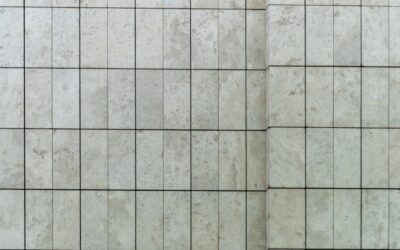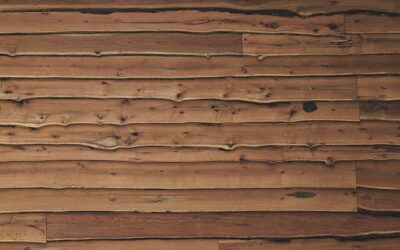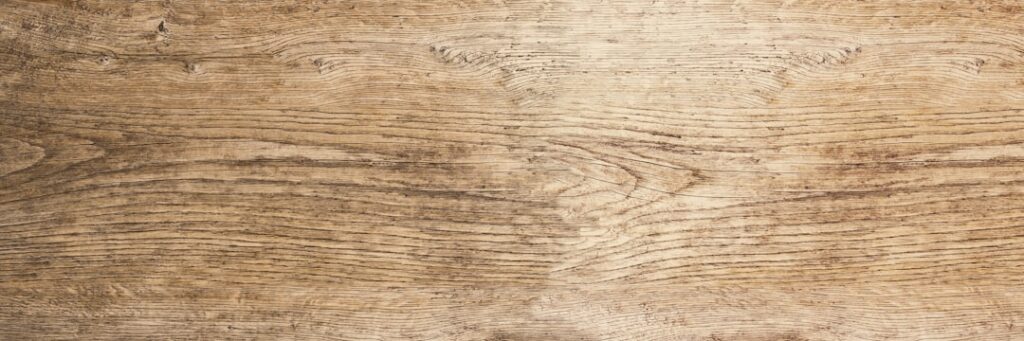
For homeowners who love the warmth of hardwood but need the toughness of tile, wooden tile offers the best of both worlds. These wood-look porcelain and ceramic planks reproduce the grain, knots, color variation, and even the texture of real timber, yet they resist water, scratches, and fading in ways hardwood never can. Whether marketed as wood-look tile, wood-plank tile, or faux-wood tile, the material has become a go-to for kitchens, bathrooms, and busy family homes where genuine wood would swell, scratch, or stain.
- What Wooden Tile Is
- Why Choose Wooden Tile Over Real Wood
- Popular Plank Sizes and Styles
- Layout Patterns That Sell the Illusion
- Grout Choices for a Seamless Look
- Where to Install Wooden Tile
- Cost Comparison
- Wooden Tile Versus Other Wood-Look Floors
- Choosing the Right Plank for Your Space
- Installation and Care Tips
What Wooden Tile Is
Despite the name, wooden tile contains no wood. It is porcelain or ceramic tile manufactured in plank shapes and printed with high-resolution images of real wood using advanced digital printing. Many premium versions add a textured surface that mirrors the grain you would feel on a hand-scraped hardwood floor, so the illusion holds up to both sight and touch. Fired at high temperatures, the porcelain body is dense and nearly waterproof, giving the planks the durability of tile with the appearance of oak, hickory, walnut, or weathered barnwood.
Why Choose Wooden Tile Over Real Wood
The advantages stack up quickly, especially in demanding rooms:
- Waterproof. Porcelain wooden tile can go in bathrooms, kitchens, laundries, and basements where real hardwood would warp.
- Scratch and dent resistant. Pets, kids, and furniture that would gouge softwood barely mark porcelain.
- Fade proof. The color is fired in, so sunlight will not bleach it the way it lightens natural wood.
- Low maintenance. No refinishing, no waxing, and no sealing; just sweep and damp mop.
- Compatible with radiant heat. Tile conducts warmth well, making it ideal over in-floor heating.
The trade-offs are that tile feels harder and cooler underfoot than wood, and it lacks the ability to be sanded and refinished. But for water resistance and long-term durability, wooden tile wins decisively over the real thing in wet and high-traffic spaces.
Popular Plank Sizes and Styles
Wooden tile comes in plank proportions that echo real lumber. Common sizes include 6 by 24, 6 by 36, 8 by 48, and even longer 9 by 60-inch planks, with the longer, narrower formats reading most convincingly like hardwood boards. Styles span the full range of real wood species and finishes, from light Scandinavian whites and warm honey oaks to rich espresso, gray-washed, and reclaimed barnwood looks. Distressed and hand-scraped textures add rustic character, while smooth, uniform planks suit modern interiors.
Layout Patterns That Sell the Illusion
How you arrange the planks strongly affects realism. The most natural look uses a random or staggered offset, but the offset is critical. Because wooden tile planks are slightly bowed along their length, a 50 percent brick offset, where each plank is centered on the joint below, can create lippage, an uneven high point at the center of each tile. Installers instead recommend a random or one-third offset, staggering the ends by no more than about one-third of the plank length, to keep the surface flat and avoid raised edges. Other options include herringbone and chevron for a more decorative, tailored appearance, though these require more cuts and skilled layout.
Grout Choices for a Seamless Look
Grout is what most often gives away wood-look tile, since real hardwood has no grout lines. To keep the illusion strong, choose a grout color that closely matches the tile’s dominant tone and use the narrowest joint the tile allows. Rectified planks, with precisely cut edges, permit joints as tight as 1/16 to 1/8 inch. Follow these grout pointers:
- Match grout color to the plank so the lines nearly disappear.
- Keep joints tight, but never skip grout entirely; planks need a small joint for movement and to accommodate slight size variation.
- Use a stain-resistant grout and seal it to prevent dirt from darkening the lines over time.
Where to Install Wooden Tile
The material’s waterproof nature makes it ideal precisely where real wood struggles. Bathrooms, including shower floors with an appropriate slip rating, kitchens, laundry rooms, mudrooms, and basements are prime candidates. It also works beautifully in open-plan homes where you want one continuous wood look flowing from a living room into a kitchen without worrying about spills. Over radiant floor heating, wooden tile conducts and holds warmth efficiently, counteracting the material’s naturally cool feel.
Cost Comparison
Wooden tile typically costs $3 to $10 per square foot for the material, comparable to mid-range engineered wood and often less than premium solid hardwood. Installation runs higher than for standard tile because the long planks demand a very flat substrate and careful layout to prevent lippage, generally adding $6 to $14 per square foot. Even so, when you factor in the elimination of refinishing, sealing, and water-damage repairs over decades, wooden tile is frequently the more economical long-term choice for wet and high-traffic areas.
Wooden Tile Versus Other Wood-Look Floors
Wooden tile is not the only way to get a wood look, and it helps to know how it compares. Luxury vinyl plank (LVP) is softer and warmer underfoot, easier to install as a floating floor, and quieter, but it is less scratch-resistant and can dent under heavy furniture. Laminate offers a convincing wood image at a low price but swells if water reaches its core, ruling it out for bathrooms. Engineered hardwood is real wood over a plywood core, offering authentic warmth but still vulnerable to moisture and scratches.
Porcelain wooden tile stands apart as the only fully waterproof, scratch-resistant, and fade-proof option among them, and the only one suitable for showers and wet rooms. Its trade-offs are a harder, cooler feel and a more involved, mortar-set installation. For homeowners prioritizing durability and water resistance above all, wooden tile is the clear winner; for comfort and easy DIY installation, LVP may appeal more.
Choosing the Right Plank for Your Space
Selecting the best wooden tile starts with the room’s scale and style. Longer, wider planks suit open, spacious rooms and read most like real hardwood, while shorter planks can overwhelm a large floor with grout lines. Light and gray-washed tones make small or dim rooms feel larger and airier, whereas rich espresso and reclaimed looks add warmth and coziness to bigger spaces. Consider the texture too: hand-scraped and distressed surfaces hide wear and add rustic charm, while smooth planks feel clean and modern. Always order a few samples and view them in your room’s lighting before committing to a whole floor.
Installation and Care Tips
A flat substrate is non-negotiable with long planks, so plan for self-leveling underlayment if the floor is uneven. Use a high-quality polymer-modified thin-set, back-butter the planks for full coverage, and use tile leveling clips to keep adjacent plank edges flush during setting. Once installed, care is minimal: sweep or vacuum to remove grit, damp mop with a pH-neutral cleaner, and wipe up spills at your leisure since the surface is impervious. There is no waxing, oiling, or refinishing to schedule.
With realistic textures, smart plank layouts, and tight color-matched grout, wooden tile delivers the timeless warmth of a hardwood floor while standing up to water, scratches, and years of hard use. For homeowners who want the look of wood without its vulnerabilities, it is one of the most practical flooring upgrades available today.
Prefer to explore on your own?
See how new flooring looks in your actual room in seconds — free, no signup.
Try the free Floor Studio →