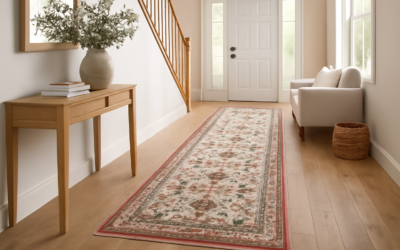
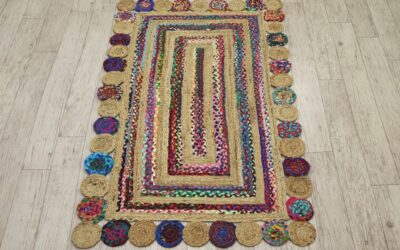
A wool runner rug combines the natural durability of wool with the long, narrow shape that hallways, kitchens, and entryways demand. Wool is one of the toughest and most resilient rug fibers available, which makes it especially well-suited to runners that endure constant foot traffic. This guide explores why wool excels in high-use areas, how to size and style a runner, and how to keep it looking beautiful for decades.
Runners do important work in a home, protecting floors and adding comfort in the busiest pathways. Choosing wool for that job means investing in a rug built to handle daily wear while staying soft underfoot and easy on the eye.
Why Wool Is Ideal for Runners
Wool has a unique set of properties that make it perfect for high-traffic runners. The fibers are naturally resilient, springing back after being compressed, so a wool runner resists the flattening that plagues synthetic rugs in busy areas. Wool also has a natural protective coating that makes it inherently stain-resistant and slow to show soil.
Beyond durability, wool is naturally flame-resistant, helps regulate humidity, and feels warm and soft underfoot. The fibers hold dye exceptionally well, producing rich, long-lasting colors. These qualities together explain why wool has been the premium choice for rugs for centuries, and why it justifies its higher price in spaces that see heavy use.
Where to Use a Wool Runner
Runners are made for transitional and narrow spaces. A wool runner works beautifully in:
- Hallways: Protecting the floor and softening footsteps in long, narrow corridors.
- Kitchens: Adding comfort underfoot in front of counters and sinks, where you stand for long stretches.
- Entryways and mudrooms: Catching dirt and adding a warm welcome, though heavy outdoor grit may suit a more washable option.
- Stairs and landings: Wool’s durability makes it a classic stair-runner choice.
- Galley spaces and bathrooms: Bringing softness to long, slim rooms.
Wool’s resilience makes it especially valuable in these high-traffic zones, where a lesser fiber would wear out quickly.
Sizing a Runner Correctly
Proper sizing makes a runner look intentional rather than improvised. Runners commonly come in widths around 2 to 3 feet and lengths from 6 to 14 feet or longer. To size one well:
- Leave roughly 4 to 5 inches of bare floor on each side of the runner so it does not crowd the space.
- In a hallway, leave several inches of floor showing at each end rather than running the rug wall to wall.
- For longer hallways, consider two runners with a small gap rather than one ill-fitting rug.
Measure your space carefully and tape out the dimensions before buying. A runner that is slightly too wide or too long will look awkward, so accuracy pays off.
Styles and Construction
Wool runners come in a wide variety of styles to match any decor. Hand-knotted and hand-tufted constructions offer the highest quality and longevity, while flat-woven options like kilims provide a thinner, reversible profile that suits doorways where clearance matters. Patterns range from traditional Persian and Oriental designs to modern geometrics and solid, textural weaves.
Consider the construction in relation to where the runner will go. A low-profile flat-weave is practical near doors that swing close to the floor, while a denser pile feels more luxurious in a hallway. Bordered designs and patterns also help disguise the soil that naturally accumulates in busy walkways.
Cost Expectations
Wool costs more than synthetic fibers, but its durability often makes it more economical over the long run. As general estimates, machine-made wool or wool-blend runners commonly range from $80 to $300 depending on length and quality. Hand-tufted wool runners often fall between $200 and $600.
Hand-knotted wool runners, prized for their craftsmanship and longevity, can range from $500 to several thousand dollars for long, finely made pieces. A non-slip rug pad sized for a runner, which is important for safety in high-traffic areas, typically adds $20 to $60. Because a quality wool runner can last for decades, the higher upfront cost frequently pays off compared with repeatedly replacing cheaper rugs.
Safety and Non-Slip Backing
Runners in hallways and kitchens are prime spots for slips, so safety deserves attention. A quality non-slip rug pad keeps the runner firmly in place on hard floors, preventing dangerous sliding and bunching. The pad also cushions the rug and reduces wear, extending its life.
Check that the runner lies flat without curling edges, which can become trip hazards. For homes with children or older adults, securing the runner well is especially important. Choose a pad sized slightly smaller than the rug so it stays hidden, and inspect the grip periodically to ensure it remains effective.
Wool Versus Other Fibers
Understanding how wool stacks up against alternatives clarifies why it commands a premium. Compared with polypropylene, the most common synthetic runner fiber, wool is more resilient, less prone to matting, and far better at hiding soil, though synthetics cost less and resist moisture better in spill-prone spots. Against nylon, wool feels softer and more luxurious and resists fading, while nylon edges it slightly on raw abrasion resistance in extreme traffic.
Wool also outperforms most fibers on safety and air quality, since it is naturally flame-resistant and does not off-gas the way some synthetics can. The trade-offs are price and a tendency to shed lightly when new, which settles down over the first few months. For a hallway or kitchen runner you want to last for years, wool’s durability typically makes it the more economical choice over time, since it outlasts several rounds of cheaper rugs.
Care and Maintenance
Wool’s natural resilience makes maintenance straightforward, but a few habits keep a runner looking its best. Vacuum regularly to remove grit before it settles into the fibers, using a suction setting or low beater-bar height to avoid pulling the wool. Rotate the runner periodically so foot traffic wears it evenly along its length.
For spills, blot immediately with a clean cloth rather than rubbing, since wool releases most fresh spills readily. Use a mild, wool-safe cleaner and test it on a hidden area first, and always follow the manufacturer’s care instructions. For deep cleaning, professional service designed for wool is the safest option. With consistent care, a wool runner rug stays soft, vibrant, and durable for many years, making it one of the smartest investments you can make for the hardworking pathways of your home.