A long stretch of cold tile between the vanity and the tub is one of the least comfortable spots in any home, especially first thing in the morning. A bathroom runner rug solves that in one move, adding soft warmth underfoot, soaking up splashes and drips, and giving you secure footing on a surface that turns slick the moment it gets wet. In a narrow or galley-style bathroom, a runner fits the proportions far better than a small square mat ever could.
Part of our Bathroom Remodeling & Flooring guide — explore the full guide →
This guide covers the best materials, how to size and place a runner, the safety details that matter, and how to keep it fresh in a damp room.
Why a Runner Works in a Bathroom
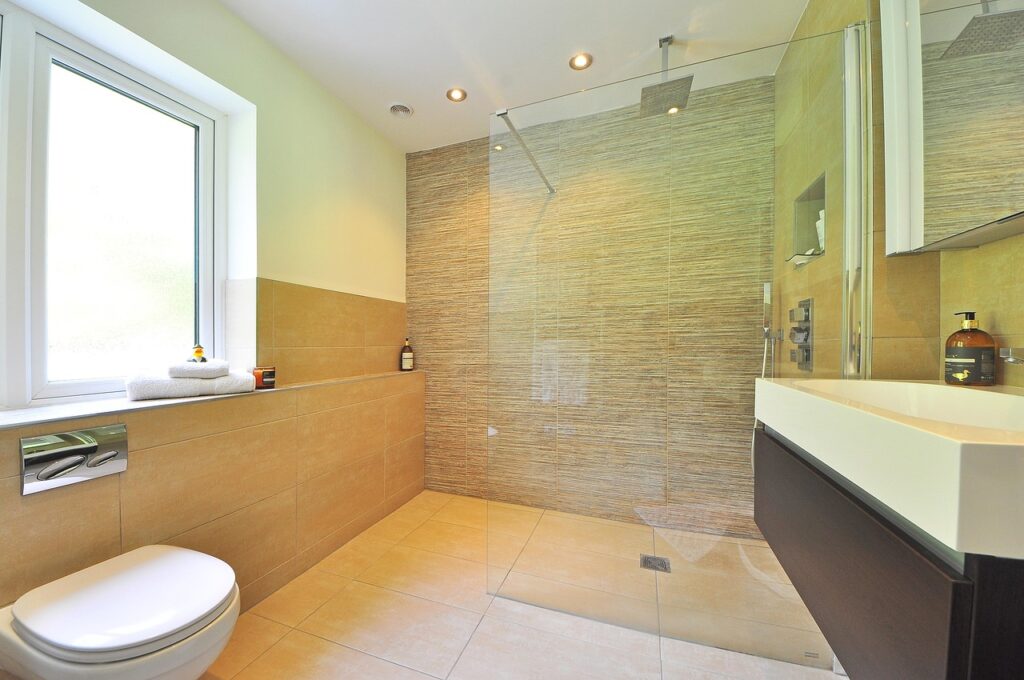
Bathrooms are often long and narrow, with a sink at one end and a tub or shower at the other. A standard small bath mat covers only a fraction of that space, leaving most of the floor bare and cold. A runner spans the length, giving you a soft, dry path the entire way. It also catches water along the whole route between the shower and the vanity, where most drips land.
Beyond function, a runner is a quick way to add color and pattern to a room that is often all hard, neutral surfaces. It softens the look as much as the feel.
Best Materials for Bathroom Runners
- Cotton: Soft, highly absorbent, and machine-washable, making it the go-to for most bathrooms.
- Chenille and microfiber: Plush and quick to soak up water, with a cozy feel underfoot.
- Memory foam: Cushioned and comfortable, often paired with an absorbent top layer.
- Bamboo or teak: A spa-like, water-friendly option for those who prefer a hard surface that drains and dries.
- Synthetic blends: Durable and quick-drying, a practical choice for high-use family bathrooms.
For most homes, an absorbent, washable cotton or microfiber runner is the easiest to live with, since you can toss it in the laundry as often as needed.
Sizing a Bathroom Runner
Runners come in long, narrow proportions, typically 2 to 2.5 feet wide and 5 to 6 feet long, though longer options exist for big bathrooms. Choosing the right length is mostly about the space and how you move through it:
- Measure the open floor between the vanity and the tub or shower before buying.
- Leave a few inches of bare floor on each side so the runner frames the space rather than crowding it.
- Pick a length that covers the main walking path without bunching against the door swing.
- For a double vanity, a longer runner that spans both sinks looks intentional and balanced.
Placement Ideas
The most common spot is directly in front of the vanity, running parallel to the counter so you have a soft, dry place to stand while getting ready. In a galley bathroom, center the runner down the main aisle. You can also run it alongside the tub to catch drips on the way out, or place it between a freestanding tub and the vanity in a larger bath.
In bathrooms with a separate water closet, a short runner leading to the toilet adds comfort there too. Just keep the runner clear of the door swing so it does not bunch up every time the door opens.
Safety and Slip Resistance
Wet floors are a real fall hazard, so slip resistance is not optional in a bathroom. Choose a runner with a non-slip backing, or place a separate non-slip rug pad underneath. The pad should be designed for hard floors and ideally rated for bathroom use so moisture does not cause it to break down or stain the tile.
Check that the runner lies completely flat, since curled edges and shifting corners are tripping risks. If the backing wears out or the rug starts sliding, replace it or add a fresh pad. For households with kids or older adults, slip resistance should be the first thing you look for.
Styling a Bathroom Runner
A runner is one of the few easy ways to add color and softness to a bathroom full of hard surfaces, so use it as a design element. A patterned runner, such as a stripe or a subtle geometric, hides everyday dirt and lint better than a solid light color while adding visual interest. Coordinate it with your towels, shower curtain, or wall color to pull the room together.
For a spa-like feel, stick to soft neutrals and plush textures. For a bolder look, a vivid runner can become the focal point against white tile and fixtures. Stripes running the length of a narrow bathroom make the space feel longer, while a darker base disguises grime between washes, which is handy in a busy family bathroom.
Choosing the Right Thickness
Thickness affects both comfort and practicality. A plush, cushioned runner feels luxurious underfoot and is great in front of a vanity, but thicker rugs dry more slowly and can drag on a door that clears the floor closely. A thinner, flat-woven or quick-drying runner clears doors easily and resists mildew, making it the better pick for damp, poorly ventilated bathrooms.
Measure the gap under your door before buying a thick runner, and in high-moisture bathrooms lean toward quick-drying materials regardless of how plush they feel. Comfort matters, but a rug that stays damp invites odor and mildew.
Cleaning and Maintenance
Bathroom runners get damp and collect hair, dust, and product residue, so regular cleaning keeps them fresh and hygienic. Shake them out or vacuum them often, and wash machine-washable runners on a regular schedule, weekly is reasonable in a busy bathroom. Always check the care label, since some rubber-backed rugs need cool water and air drying to protect the backing.
Hang the runner to dry between uses when possible, or at least make sure it dries fully to prevent mildew and odor. In a bathroom with poor ventilation, a quick-drying microfiber or a draining bamboo runner resists moisture problems better than a thick, slow-drying mat.
The Bottom Line
A bathroom runner rug brings warmth, water absorption, and safer footing to the long, narrow floors that small bath mats leave bare. Choose an absorbent, washable material, size it to your walking path, and never skip the non-slip backing or pad. Wash it regularly and let it dry fully, and a good runner will keep your bathroom comfortable, dry, and looking pulled together every day.