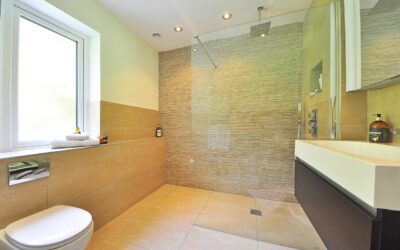
A long, narrow bathroom calls for a long, narrow rug, and that is exactly where a bath rug runner earns its place. Stretched along a double vanity, beside a tub, or down the center of a galley-style bathroom, a runner gives you a soft, warm, slip-resistant surface where standard square mats leave cold tile exposed at either end.
Choosing the right one means thinking about more than color. Size, material, backing, and washability all shape how the runner feels underfoot and how long it lasts in a humid, high-traffic room. This guide walks through each decision so you can pick a runner that looks intentional and holds up to daily use.
What a Bath Rug Runner Is
A bath runner is simply a bathroom rug in an elongated rectangular shape, typically much longer than it is wide. While a classic bath mat sits in front of a single fixture, a runner spans a longer stretch of floor, which makes it ideal for bathrooms where the layout is more hallway than square.
The appeal is both practical and visual. A runner covers the path you actually walk, from the shower to the vanity to the door, so your feet meet fabric instead of chilly tile. It also draws the eye down the length of the room, which can make a narrow bathroom feel more finished and deliberately designed rather than an afterthought.
Choosing the Right Size
Size is the first decision, and getting it right transforms how the rug looks in place. A runner that is too short looks stranded, while one that is too long bunches against fixtures or the door swing.
- Standard runner lengths commonly range from about 24 inches up to 60 inches or more, with widths often between 17 and 24 inches.
- Measure your open floor from end to end, then subtract a few inches on each side so the runner does not crowd the baseboards or block a vanity cabinet.
- Account for the door swing so the rug lies flat and does not catch as the door opens and closes.
- Leave a balanced border of visible floor around the runner, which keeps the look tidy rather than wall-to-wall.
If you have a double vanity, a runner that spans both sinks is usually the most comfortable and balanced choice. For a tub-and-vanity layout, position the runner where your feet land most often.
Materials and How They Feel
The material determines softness, absorbency, drying speed, and durability, so it deserves real attention. Each common option has a clear personality.
- Cotton: Soft, absorbent, and easy to machine wash, which makes it a popular all-around choice. It can take a while to dry between uses in a humid bathroom.
- Microfiber: Plush and quick-drying, with strong absorbency for its weight. It feels cushioned and is generally budget-friendly.
- Chenille: Very soft and cozy underfoot, prized for a luxurious feel, though it can shed slightly when new.
- Memory foam: Built on a cushioned core for a spa-like, supportive step that many people love by the shower.
- Bamboo or teak: A firm, water-resistant, modern look that drains and dries fast, better suited to style than plush comfort.
Match the material to your priority. If you want warmth and quick drying, microfiber or memory foam shine. If you prefer a natural fiber you can wash often, cotton is hard to beat.
Backing and Slip Resistance
In a bathroom, the backing matters as much as the top surface, because a rug that slides on wet tile is a genuine hazard. Look for a non-slip backing, usually a latex or rubberized grip layer, that holds the runner in place even when the floor is damp.
Be aware that rubber backings can degrade over time, especially with hot washing and high-heat drying, and some can leave marks on certain sealed or vinyl floors. If you choose a rug without a bonded non-slip layer, add a separate rug pad cut to fit, which restores grip and extends the life of the rug. For households with children or older adults, prioritize slip resistance above almost every other feature.
Style and Color Ideas
A runner is a low-commitment way to set the tone of a bathroom, since it is easy to swap when you want a refresh. Color choice usually follows one of two strategies: blend or contrast.
To blend, pick a runner close to your tile or wall color for a calm, seamless look that makes a small bathroom feel larger. To contrast, choose a bolder shade or a pattern that pops against neutral tile, turning the rug into a deliberate accent. Textured weaves, subtle stripes, and tonal patterns all add interest without overwhelming the space.
Coordinate the runner with your towels and other accents rather than matching everything exactly, which reads as more designed and less like a matched set from a single bin. A couple of shared colors across the room tie it together.
Washing and Care
Bathrooms are humid, and a damp rug is an invitation for mildew and odor, so regular cleaning keeps a runner fresh. Most cotton and microfiber runners are machine washable, but the details vary, so always follow the care label first.
- Shake or vacuum the runner between washes to remove hair, dust, and grit that grind into the fibers.
- Wash regularly in cool or warm water with a mild detergent, and skip fabric softener, which can reduce absorbency.
- Protect the backing by air drying or using low heat, since high heat can crack or peel a non-slip layer.
- Let it dry fully by hanging it after a steamy shower or running the bathroom fan, so moisture does not linger underneath.
Rotating two runners, one in use and one in the wash, keeps a fresh, dry rug on the floor at all times and doubles the life of each.
Where to Place a Runner
Placement decides how much value a runner adds, and the best spot is wherever your bare feet spend the most time. In front of a long vanity is the classic location, especially with two sinks, so both people step onto something soft.
Beside a freestanding or built-in tub, a runner gives a warm landing as you step out, and it catches drips before they spread across the floor. In a narrow bathroom, running it down the center creates a clear, comfortable path. Just keep it clear of the toilet base for hygiene and easy cleaning, and make sure it never blocks a drain or floor vent.
Making the Final Choice
The best bath rug runner is the one that fits your floor, suits your routine, and stays safely in place. Start with an accurate measurement, then choose a material that matches your priorities for warmth, absorbency, and drying speed. Confirm the backing grips your specific flooring, and pick a color that works with the rest of the room.
Spend a little more on a quality runner and a proper non-slip layer, because a bathroom rug takes constant moisture and foot traffic. Treat the runner as a small upgrade that delivers comfort and safety every single day, and the modest investment pays off the moment you step out of the shower onto a soft, secure surface instead of cold tile.