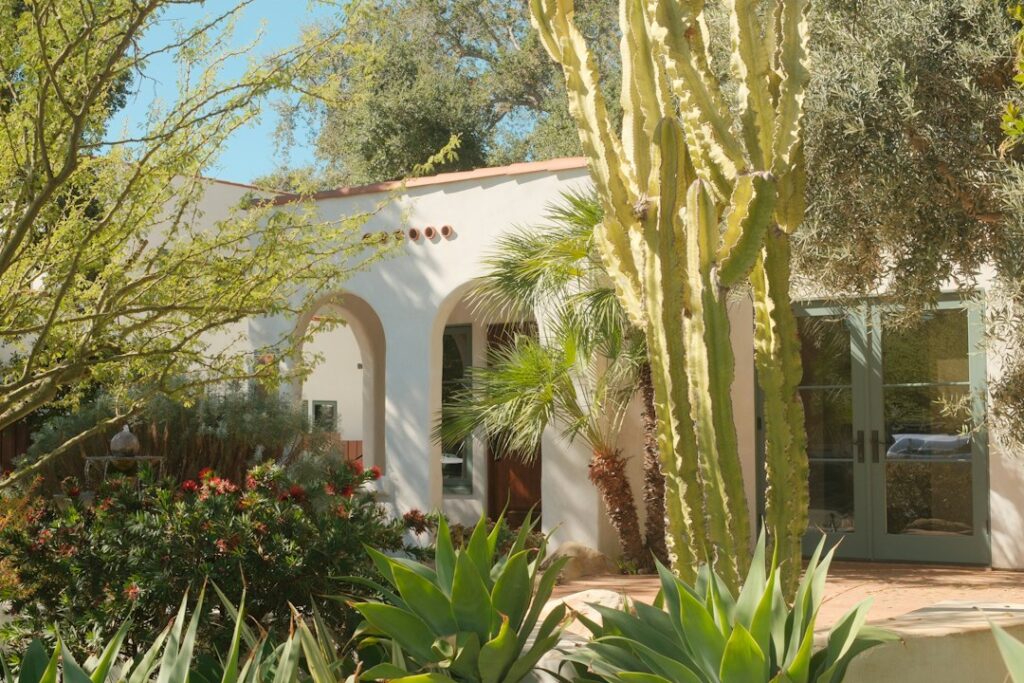
Most front lawns are the most watered, most mowed and least used part of a property. Nobody picnics by the curb, yet that strip of grass can eat a large share of a home’s summer water use. A xeriscape front yard swaps that turf for planned beds of low-water plants, mulch, stone and a few defined paths, and it does not have to look like a desert. Xeriscaping simply means landscaping for water efficiency, and it works in humid Southern towns and snowy Northern suburbs as well as in the Southwest.
The conversion follows a clear order: plan the layout, check HOA and local rules, remove or smother the grass, improve the soil where needed, install hardscape and irrigation, plant in water zones, then mulch. Done well, the result is a drought tolerant front yard that needs far less water, no weekly mowing and only seasonal cleanup once plants are established.
The steps that follow cover each stage in a practical sequence, with options for different budgets, climates and energy levels.
Planning a Xeriscape Front Yard
Good xeriscapes start on paper. Sketch the yard to scale on graph paper, marking the house, driveway, walkways, trees, downspouts, utility boxes and the property line. Then note sun and shade at morning, noon and late afternoon, plus any spots where water puddles after rain or where soil stays dry.
The seven classic xeriscape principles make a useful checklist:
- Plan and design before buying plants.
- Improve soil only as much as the chosen plants need.
- Limit turf to areas that actually get used, if you keep any.
- Group plants by water needs (hydrozoning).
- Water efficiently with drip or targeted irrigation.
- Mulch to hold moisture and block weeds.
- Maintain with light, seasonal care.
Curb appeal comes from structure. Give the yard a clear entry path to the front door at least 4 feet wide, clean bed edges, a few repeated plants, and one or two focal points such as a small tree, a boulder grouping or a large ornamental grass. Repetition reads as intentional; one of everything reads as cluttered.
Check HOA Rules, Local Codes and Rebates
Before you pull up a single square foot of grass, read your HOA covenants. Some associations require a minimum percentage of living plant cover, approved plant lists or a design review. Many states now limit an HOA’s ability to ban water-wise landscaping outright, but you may still need approval for the plan. Submit a simple drawing with plant names and materials to avoid a dispute later.
Also check city rules about the parkway strip between sidewalk and street, sight lines at driveways and corners, and height limits near the road. Many water utilities offer turf replacement rebates paid per square foot, but they often require pre-approval and photos before removal, so apply first.
Tools and Materials
- Flat spade, garden fork, steel rake and wheelbarrow
- A sod cutter for larger lawns (rentable by the day) or cardboard for sheet mulching
- Landscape edging in steel, stone or concrete
- Compost for planting holes in poor soil
- Drip irrigation tubing, emitters, a pressure regulator and a filter
- Wood chip or shredded bark mulch, or gravel for desert-style beds
- Gloves, eye protection, sturdy boots, sunscreen and plenty of water for yourself
Step by Step: Converting the Front Lawn
1. Call 811 and mark the yard
Call 811 a few business days before digging so utilities can mark buried lines. Front yards often hide gas, water, power and cable runs. Also flag sprinkler heads and valve boxes so you can cap or convert them.
2. Remove or smother the grass
You have two main options for the xeriscape front lawn removal. A sod cutter slices turf off in strips, giving you a clean bed ready for planting the same week. It is hard physical work and heavy to haul, so plan disposal or compost the strips upside down in a back corner. Sheet mulching is slower but easier: mow the grass very short, soak it, cover it with overlapping plain brown cardboard, wet that, and top with 3 to 4 inches of wood chip mulch. The grass dies and breaks down over a few months, adding organic matter. Bermuda and other running grasses can push through, so overlap cardboard generously and pull any escapees promptly.
3. Shape beds and fix drainage
Mark beds and paths with a garden hose or marking paint, then lay edging. Slope the soil gently away from the house foundation. Gentle berms add height and interest and improve drainage for plants that hate wet feet, while shallow swales can steer roof runoff toward thirsty plants instead of the sidewalk.
4. Install hardscape
Set paths, stepping stones, boulders and any low walls before planting. Use compacted base under pavers or flagstone and a permeable surface such as decomposed granite or gravel where possible, so rain soaks in rather than running off. Keep gravel and stone from piling against siding or stucco.
5. Convert irrigation to drip
Spray heads waste water on beds. Many sprinkler systems can be converted by capping heads and adding a drip conversion fitting, then running tubing to each plant. Group emitters into zones by water need, and use a pressure regulator and filter. Where your system connects to the potable water supply, a backflow preventer is required in many areas, and installing or testing one may need a licensed plumber or certified tester.
6. Plant by water zone
Place the thirstiest plants near the house or downspouts and the toughest plants out by the street and in hot reflective spots along the driveway. Space plants for their mature size, not their nursery pot size, so the yard does not get crowded in three years.
7. Mulch and water in
Spread 2 to 4 inches of mulch, keeping it a few inches back from stems and trunks. Water new plants deeply and regularly for the first growing season, then taper off as roots establish.
Plant Choices by Climate
A low maintenance xeriscape front yard relies on plants suited to your region. Visit a local native plant nursery or extension office for lists specific to your area. General directions:
- Arid West and Southwest: agaves, yuccas, desert spoon, native salvias, desert marigold, penstemons and bunch grasses.
- Mountain and High Plains: blue grama, native penstemons, rabbitbrush, hardy ice plant and native sages.
- Humid Southeast: coneflowers, native muhly grass, lantana, rosemary and native coastal shrubs that handle both drought and heavy rain.
- Midwest and Northeast: prairie natives such as little bluestem, black-eyed Susan, butterfly weed, catmint and sedums.
- Pacific Northwest and coastal California: Mediterranean herbs, manzanita, native ceanothus and drought tolerant ornamental grasses.
Mixing evergreens with perennials and grasses keeps the yard attractive in winter. Drought tolerant yards still change with the seasons; that movement is part of the charm.
Costs to Expect
A DIY sheet-mulch conversion with free cardboard, delivered wood chips and small plants can stay in the low single digits per square foot. Adding drip irrigation, edging, gravel paths and larger plants pushes DIY costs higher. A professionally designed and installed xeriscape commonly runs from moderate to high double digits per square foot of lawn replaced, depending on hardscape, boulders and plant size. Rebates can offset part of the bill, and lower water and mowing costs keep paying back year after year.
Troubleshooting a New Xeriscape
- Grass coming back: pull it while small and spot-patch with more cardboard and mulch.
- Plants wilting in summer: new plants need regular water for a year. Check emitters for clogs and add one per plant if needed.
- Weeds in gravel: keep gravel 3 inches deep and pull seedlings early, before they set seed.
- Yard looks sparse: young plants take two or three seasons to fill in. Add annual wildflower seed or extra mulch in the meantime rather than overplanting.
- Soggy spots: regrade, add a dry creek bed, or move plants that dislike wet roots.
When to Call a Licensed Professional
Bring in a landscape designer for a large or sloped front yard, an HOA that requires detailed plans, or retaining walls over a few feet tall, which may need engineering and permits. A licensed irrigation contractor or plumber should handle backflow devices and any changes to the main water line, and a licensed electrician should install new outdoor circuits or outlets for low-voltage lighting transformers, with GFCI protection outdoors. Heavy boulders also justify hiring a crew with proper equipment.
Finally, pace yourself. Work in the cooler morning hours, wear gloves and eye protection, drink water often and rest in the shade, since sod removal and hauling stone in summer heat can cause heat exhaustion quickly.
Frequently Asked Questions
Does a xeriscape front yard have to look like a desert?
No. Xeriscaping means water-efficient landscaping, so you can use regional natives, perennials, grasses and shrubs that fit a cottage, prairie or modern style.
What is the easiest way to remove a front lawn?
Sheet mulching with cardboard and wood chips needs no digging and adds organic matter. A sod cutter is faster but involves heavy lifting and hauling.
Will my HOA allow a drought tolerant front yard?
Many will, especially with an approved plan. Review your covenants, submit a simple drawing with plant names and ask about any minimum plant cover rules.
How much water does a xeriscape save?
Savings vary by climate, but replacing turf with established low-water plants on drip irrigation often cuts outdoor watering substantially compared with a sprinkled lawn.
How long until the new plants are established?
Most perennials and shrubs need one full growing season of regular deep watering. After that, many need only occasional water during long dry spells.