The most relaxing bathrooms in the world tend to have the fewest things in them. Zen Japanese bathroom design turns a daily routine into a ritual through natural materials, careful proportion, and an almost stubborn commitment to less. It’s not about a single trendy fixture, it’s a philosophy: separate the cleansing from the soaking, let raw materials breathe, and clear the visual clutter so the mind can settle. Done well, it makes even a modest American bathroom feel like a retreat.
Part of our Bathroom Remodeling & Flooring guide — explore the full guide →
- The Core Idea: Wash First, Then Soak
- The Ofuro Soaking Tub
- Natural Materials Set the Tone
- A Restrained, Minimalist Palette
- Minimalism Means Storage, Not Sacrifice
- Light, Air, and the Connection to Nature
- Fixtures and Hardware That Fit
- Texture, Plants, and the Final Layer
- Bringing It Together on a Budget
- Color, Contrast, and Calm
The Core Idea: Wash First, Then Soak
The defining feature of a traditional Japanese bath is the separation of washing and soaking. You scrub and rinse fully outside the tub, then enter clean water purely to relax. This is why authentic layouts often place a handheld shower or a low stool-and-bucket washing area beside, not inside, the tub. Recreating even a version of this changes how the room functions and feels.
The Ofuro Soaking Tub
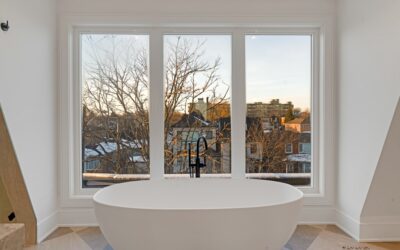
At the heart of the design sits the ofuro, a deep soaking tub built for sitting upright up to the shoulders rather than reclining. Compared with a standard Western tub, an ofuro is shorter but much deeper, often 22 to 27 inches of soaking depth. That depth is the whole point, full immersion in hot water that holds its temperature.
- Hinoki wood tubs — fragrant Japanese cypress, prized for warmth and aroma but needing regular care.
- Stainless steel ofuro — durable, easy to maintain, and good at retaining heat.
- Acrylic or stone-resin — modern, low-maintenance options that mimic the deep profile.
If a true ofuro won’t fit your space or budget, even a compact deep soaker placed thoughtfully captures much of the spirit.
Natural Materials Set the Tone
Zen design leans on materials that age gracefully and feel good underfoot. Wood, stone, bamboo, and paper-like textures dominate. Wood brings warmth, stone grounds the room, and the contrast between the two creates quiet interest without a single bold color. Choose a small, restrained palette and let texture do the work that pattern would do elsewhere.
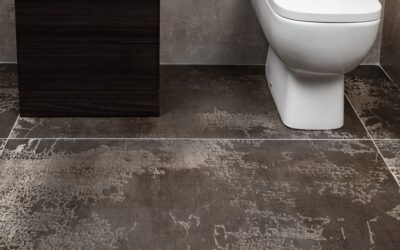
For flooring, slip-resistant stone, pebble tile, or properly sealed wood-look porcelain handles the moisture while keeping that organic feel. Real wood underfoot is beautiful but demands diligent sealing and ventilation in a wet room.
A Restrained, Minimalist Palette
Color in a zen bathroom stays muted and earthy. Think soft whites, warm beiges, stone grays, charcoal, and the natural honey tones of cypress or cedar. Greenery provides the only real “color,” usually a single plant rather than a display. The goal is visual rest, so anything that competes for attention works against the room.
Minimalism Means Storage, Not Sacrifice
A calm room is an uncluttered room, which means storage has to be excellent and hidden. Recessed niches, flush cabinetry, and concealed shelving keep surfaces clear. Every item out in the open should be intentional, a folded towel, a single stone tray, a bar of soap. The discipline of putting things away is part of what makes the space feel serene.
Light, Air, and the Connection to Nature
Japanese design treasures the link between inside and out. Where privacy allows, large windows, a small enclosed garden view, or even a skylight bring in natural light and a sense of the seasons. Soft, layered artificial lighting, warm bulbs around 2700K, dimmers, and indirect fixtures, replaces harsh overhead glare at night.
Ventilation matters more here than in a typical bathroom because wood and natural materials need to dry. A strong, quiet exhaust fan and good airflow protect both the materials and the calm, mildew-free atmosphere.
Fixtures and Hardware That Fit
Zen design favors fixtures that disappear rather than announce themselves. Wall-mounted faucets, simple rectangular or stone vessel sinks, and concealed toilets keep the visual field quiet. Hardware in matte black, brushed nickel, or aged brass blends into the natural palette instead of glinting for attention. The goal is for nothing to feel showy.
A handheld shower on a sleek rail supports the wash-then-soak ritual and keeps the look clean. Where possible, choose fixtures with soft, rounded or simple geometric forms that echo the calm of the space. Avoid ornate or high-shine pieces, they pull the eye and break the meditative mood the room is built to create.
Texture, Plants, and the Final Layer
Once the bones are in place, a few carefully chosen elements complete the room. Natural textures, a linen bath mat, a smooth river-stone tray, a wooden stool, add depth without clutter. A single living plant brings life and a touch of green; ferns, bamboo, and orchids all thrive in bathroom humidity and suit the aesthetic.
Keep accessories to a deliberate few. In zen design, empty space is not wasted space, it’s an active design element that lets the materials and the ritual of bathing take center stage. One beautiful object, given room to breathe, does more than a shelf full of items ever could.
Bringing It Together on a Budget
You don’t need a full renovation to borrow from this style. Swap a cluttered vanity for an open wood-tone piece, add a deep soaking tub if space allows, simplify your palette to two or three natural tones, and clear every surface you can. Introduce one plant, one beautiful stone tray, and warmer lighting.
Color, Contrast, and Calm
The restraint of a zen bathroom doesn’t mean it has to feel flat. Contrast comes from texture and natural variation rather than bold color, the grain of cypress against smooth river stone, matte against satin, light wood against dark slate. These quiet juxtapositions give the eye somewhere to rest and keep the muted palette from feeling sterile.
Warmth is the throughline. Even in a cool, stone-heavy room, a single wood element, a tub, a stool, a vanity, brings the space back to a human, comforting scale. That balance of warm and cool, soft and hard, is the heart of why these bathrooms feel both serene and inviting rather than cold or clinical.
Zen Japanese bathroom design rewards restraint. The fewer competing elements you have, the more each natural material and the simple act of soaking can stand out, which is exactly the point.