
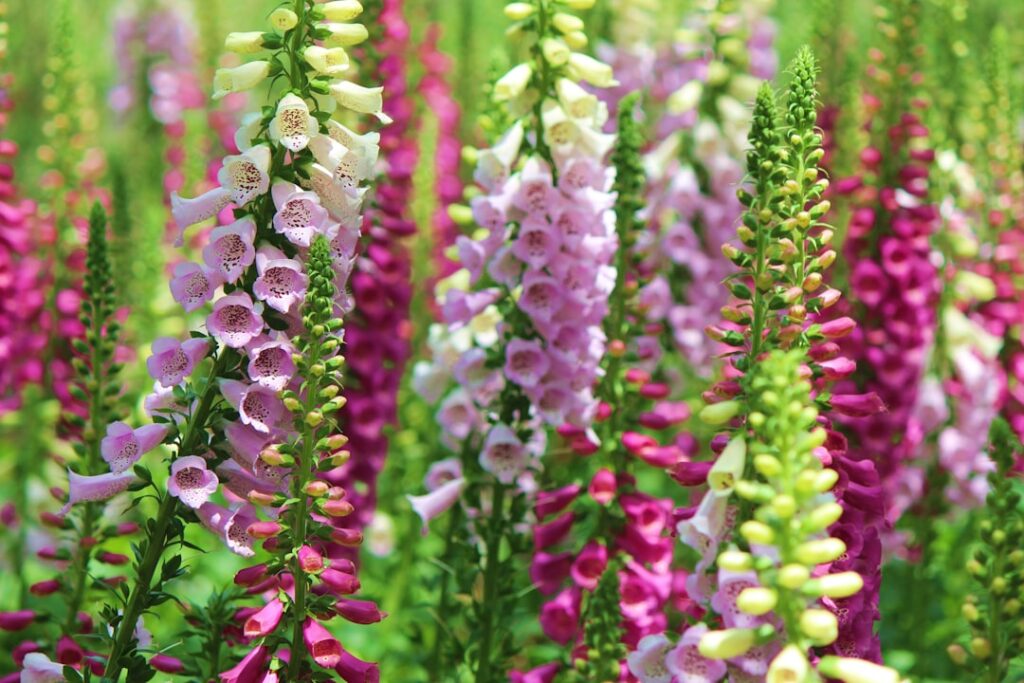
A shady yard doesn’t have to mean a boring, all-green garden. After years of planting and tending northern beds, I’ve found plenty of reliable performers that flower from June straight through September with almost no fuss. These zone 6 shade perennials that bloom all summer give you color where most people assume only hostas will grow, and once established they come back stronger every year.
Zone 6 runs roughly minus 10 to zero degrees Fahrenheit at its coldest, covering much of the Midwest, mid-Atlantic, and interior Northeast. The plants below are all hardy through that range and genuinely earn their spot in a low-light border.
- Understanding Shade in Zone 6
- Astilbe: The Reliable Feathery Standout
- Astrantia and Corydalis for Long Bloom
- Best Long-Blooming Shade Perennials at a Glance
- Hardy Geraniums and Coral Bells
- Late-Summer Bloomers to Extend the Season
- Companion Foliage That Fills the Gaps
- Planting and Care Tips for Shade Beds
- Designing a Season-Long Shade Border
- Frequently Asked Questions
Understanding Shade in Zone 6
Not all shade is equal, and matching the plant to the light is the difference between a thriving bed and a sad one. Before you buy, watch your space for a day and note which category fits:
- Dappled shade: filtered light through tree canopy, the easiest for blooms.
- Partial shade: three to six hours of direct sun, usually morning.
- Full shade: less than three hours of direct sun, often on the north side of a house.
Most “shade” bloomers still want some indirect brightness. True deep shade limits your flowering options, so aim for the brightest shade you have for the best color.
Astilbe: The Reliable Feathery Standout
If I could plant only one shade bloomer, it might be astilbe. Its plumes of pink, red, white, or lavender rise above fern-like foliage from early to midsummer, and newer reblooming varieties stretch the show longer. Astilbe loves consistent moisture, so give it rich soil and don’t let it dry out. Space plants 18 to 24 inches apart and expect them to fill in within two seasons.
Astrantia and Corydalis for Long Bloom
Astrantia, or masterwort, produces intricate pincushion flowers from June into September and tolerates partial to full shade beautifully. Deadhead spent blooms and it keeps going.
Yellow corydalis is another workhorse, throwing out delicate tubular flowers nonstop from late spring until frost. It self-seeds gently into shady cracks and crevices, which makes it perfect for naturalizing a woodland edge.
Best Long-Blooming Shade Perennials at a Glance
For quick planning, here are the standouts that carry color across the whole summer in zone 6:
- Astilbe — feathery plumes, early to midsummer, moist soil.
- Astrantia — starry blooms, June through September.
- Corydalis lutea — yellow flowers, spring to frost.
- Hardy geranium (cranesbill) — reblooms all summer if sheared back.
- Coral bells (Heuchera) — grown for foliage, with airy summer flower spikes.
- Ligularia — bold yellow daisies in mid to late summer.
- Turtlehead (Chelone) — pink blooms late summer into fall.
Hardy Geraniums and Coral Bells
Hardy geraniums, not to be confused with annual pelargoniums, are among the most forgiving shade perennials you can grow. Varieties like ‘Rozanne’ bloom violet-blue from June until frost, and a midsummer shearing triggers a fresh flush. They ask for almost nothing once established.
Coral bells earn their keep two ways. Their ruffled foliage in shades of caramel, plum, lime, and silver holds color all season, while slender wands of tiny bell flowers rise in early summer. Plant them where you’ll see the leaves up close, such as a bed edge or container.
Late-Summer Bloomers to Extend the Season
To avoid an August lull, pair early performers with plants that peak later. Turtlehead sends up hooded pink blooms from August into September and thrives in the same moist shade astilbe loves. Ligularia opens bright yellow spikes in mid to late summer above dramatic dark foliage. Toad lily is a hidden gem, producing orchid-like speckled flowers in September and October just as the rest of the garden fades. Layering these with earlier bloomers keeps color moving through the whole growing season.
Companion Foliage That Fills the Gaps
Even the best bloomers take short rests between flushes, so I always weave in foliage plants that carry the bed through those lulls. Hostas are the obvious backbone, with leaves ranging from chartreuse to deep blue-green and dramatic variegation, and they thrive in the same conditions as everything above. Japanese painted ferns add silvery, burgundy-tinged fronds that glow in low light, while brunnera ‘Jack Frost’ contributes heart-shaped, frosted leaves plus a bonus of tiny blue spring flowers.
Pairing flowering perennials with strong foliage does two things. It guarantees the border always has something to look at, and it creates contrast that makes the blooms themselves read as more vivid. A drift of dark ligularia leaves behind pale astilbe plumes, for instance, is far more striking than either plant alone. Think of foliage as the permanent stage set and the flowers as the rotating cast.
Planting and Care Tips for Shade Beds
Shade perennials reward a little upfront effort. Follow these basics for strong, season-long performance:
- Amend soil with two to three inches of compost before planting to improve moisture retention and drainage.
- Mulch two inches deep to keep roots cool and reduce watering.
- Water deeply once or twice a week; most shade bloomers hate drying out.
- Deadhead spent flowers to encourage reblooming on geraniums, astrantia, and corydalis.
- Divide clumps every three to four years in spring or fall to keep them vigorous.
Expect to spend $8 to $20 per potted perennial at a garden center, less if you buy bare-root or divide from a friend’s garden.
Designing a Season-Long Shade Border
Layering is the secret to a bed that never looks empty. Set taller ligularia and astilbe at the back, mid-height astrantia and geraniums in the middle, and low coral bells or corydalis along the front edge. Repeat two or three plants throughout the bed for rhythm, and lean on colorful foliage like heuchera and variegated hosta to carry the display between bloom cycles. Contrast leaf shapes, pairing bold ligularia leaves against fine astilbe foliage, for a border that looks full even on a quiet week.
Frequently Asked Questions
What shade perennial blooms the longest in zone 6?
Hardy geranium ‘Rozanne’ and yellow corydalis are the marathon champions, flowering from early summer until frost. Astrantia is a close third, blooming June through September, especially if you deadhead regularly.
Can perennials really bloom all summer in full shade?
In true deep shade, blooms are limited, but corydalis, astrantia, and toad lily will still flower. For the fullest color, place them in dappled or partial shade with a few hours of indirect light rather than dense, sunless corners.
Do these shade perennials come back every year?
Yes. Every plant listed here is hardy in zone 6 and returns reliably each spring. Dividing them every three to four years keeps the clumps healthy and can give you free plants to spread around the garden.
How much sun do zone 6 shade perennials need?
Most perform best with two to five hours of morning sun or bright, filtered light throughout the day. Morning sun with afternoon shade is ideal because it fuels blooms without scorching foliage or drying the soil.
When should I plant shade perennials in zone 6?
Plant in spring after the last frost or in early fall about six weeks before the first frost. Both windows give roots time to establish in cool, moist soil before summer heat or winter cold arrives.
With the right mix of early, mid, and late bloomers, a zone 6 shade garden can rival any sunny border for color. Match each plant to your light, keep the soil rich and moist, and enjoy flowers from June through the first frost.


