Buy a rug that is too small and your spacious living room ends up looking like the furniture is floating on an island. A 10×12 area rug solves that problem in larger rooms, measuring ten feet by twelve feet for roughly 120 square feet of coverage. It is a generous size built to anchor full seating groups and large dining sets, and it is one of the most popular choices for open-concept spaces. This guide helps you decide if a 10×12 fits your room and how to use it well.
How Big a 10×12 Really Is
At ten by twelve feet, this is a large-format area rug. It covers 120 square feet, enough to sit under an entire living room set with room to spare or under a dining table that seats eight. For comparison, it is meaningfully bigger than the common 8×10, adding about two feet in each direction, which makes a noticeable difference in how much furniture you can place on it.
That size means it works best in rooms of about 12 by 14 feet or larger, leaving a balanced border of bare floor around the edges.
Best Rooms for a 10×12 Rug
This size shines anywhere you have generous square footage to fill:
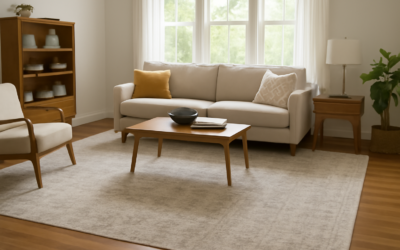
- Large living rooms: Place a full sofa, chairs, and coffee table on it with all legs on the rug for a cohesive zone.
- Open-concept great rooms: Use it to visually define the seating area within a larger space.
- Dining rooms: Center it under a table that seats six to eight, keeping chairs on the rug even when pulled out.
- Master bedrooms: Slide a king bed and nightstands onto it for a soft, framed look.
Furniture Placement Tips
The beauty of a 10×12 is that it lets you choose how furniture relates to it. Two main approaches work:
- All legs on: The most luxurious look, with every piece of furniture fully on the rug. This requires the room and rug to be large enough, which a 10×12 usually allows.
- Front legs on: Sofas and chairs sit with their front legs on the rug and back legs off, tying the arrangement together while saving the cost of an even larger rug.
For dining rooms, the rule of thumb is that the rug should extend at least 24 inches beyond the table on all sides so chairs stay on the rug when pulled out. A 10×12 handles most standard dining tables comfortably.
Choosing the Right Material
A rug this large is an investment, so match the material to your lifestyle:
- Wool: Durable, soft, and naturally stain-resistant, ideal for living and dining rooms.
- Polypropylene: Budget-friendly and easy to clean, a smart pick for homes with kids and pets.
- Natural fibers: Jute and sisal add texture but suit lower-moisture, lower-traffic uses.
- Blends: Wool-synthetic blends balance durability and value.
Always use a large rug pad under a 10×12. It cushions the rug, prevents slipping, reduces wear, and protects hardwood floors. Cut or order the pad slightly smaller than the rug on each side.
Cost Expectations
Because of the large surface area, a 10×12 sits at the higher end of rug pricing. A machine-made polypropylene rug in this size often runs from about $150 to $500. Mid-range wool blends typically land between $400 and $1,200. Hand-knotted wool or premium natural-fiber rugs can reach $1,500 to several thousand dollars. A quality rug pad adds roughly $40 to $120. Given the cost, measure carefully before buying so you get the size right the first time.
Measuring Before You Buy
Before committing, tape out a ten by twelve foot rectangle on your floor with painter’s tape and arrange your furniture around it. This shows you exactly how much bare floor will remain and whether the proportions feel right. Aim to leave 12 to 18 inches of exposed floor between the rug and the walls so the room feels balanced rather than wall-to-wall.
Caring for a Large Rug
A 10×12 is a substantial investment, so protect it with good habits. Vacuum it regularly, using the correct setting for the pile height, and adjust the beater bar so it does not tug at the fibers. Rotate the rug 180 degrees a couple of times a year so foot traffic and sunlight age it evenly rather than wearing one path. Blot spills immediately and address stains according to the rug’s material, since wool, synthetic, and natural fibers each react differently to cleaners.
Because of its size, a 10×12 is awkward to clean at home, so plan on professional cleaning every couple of years for wool and fine rugs. Keep it out of constant direct sun where possible to prevent fading, and shake or beat smaller sections outdoors if the rug is light enough to move.
Common Sizing Mistakes
The most frequent error with large rugs is the opposite of buying too small: people occasionally buy a 10×12 for a room that cannot accommodate it, leaving the rug crammed wall to wall with no breathing room. Always leave that 12 to 18 inch border of bare floor so the rug frames the space rather than carpeting it. Another mistake is mismatched proportions, like pairing a huge rug with a tiny coffee table, which leaves the arrangement looking lost in the middle. Scale your furniture grouping to fill the rug, and the room will feel balanced and intentional.
Is a 10×12 Right for You?
Choose a 10×12 area rug when you have a large living room, open great room, generous dining area, or master bedroom and you want a single rug to anchor the whole space. It delivers a polished, designer look by bringing the furniture together rather than leaving it adrift. Just confirm your room is big enough, invest in a good pad, and pick a material suited to your traffic. Get those right and a 10×12 transforms a large room into a cohesive, comfortable space.
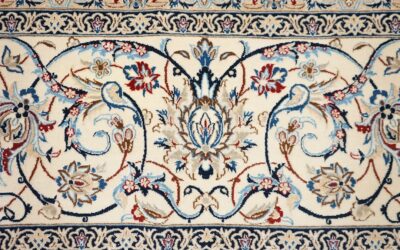
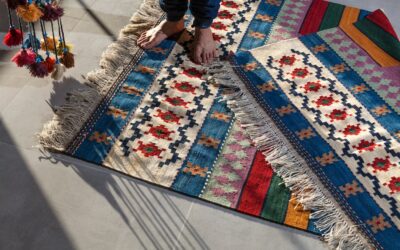
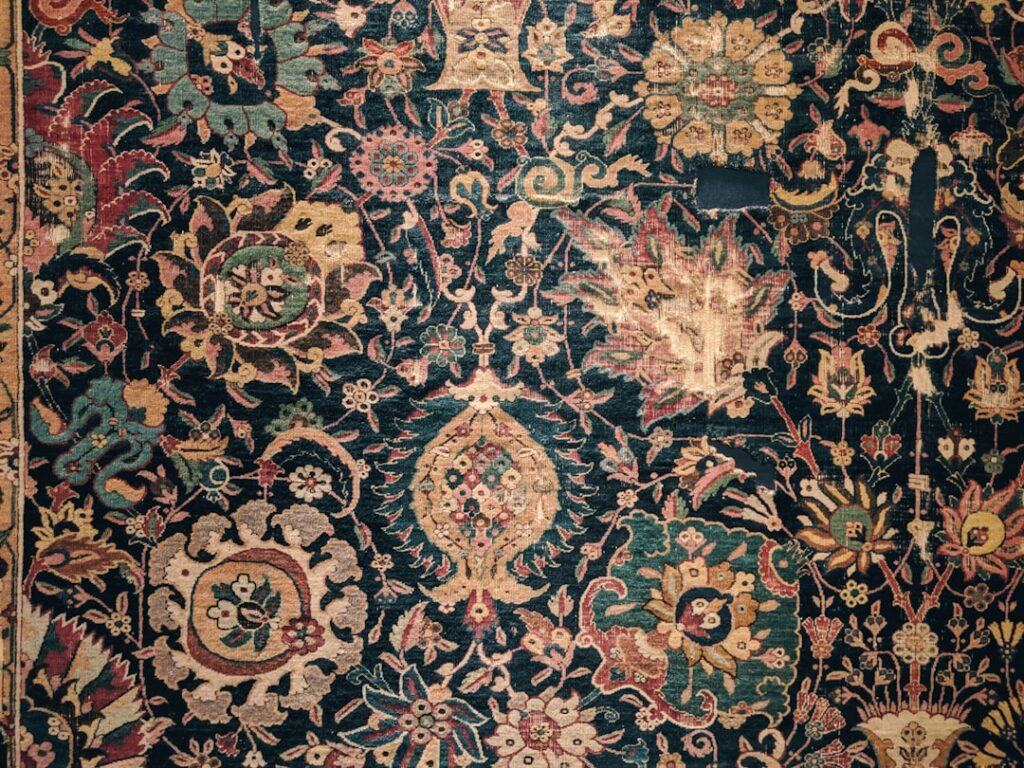
Because this size is a real investment, take your time choosing color and pattern as well as material. A neutral, low-contrast rug grounds a busy room and lets furniture and art stand out, while a bold patterned 10×12 can become the centerpiece that the whole design builds around. Consider how the rug will read in your light and against your flooring, and order a sample or swatch when possible. With the right size, material, color, and a quality pad underneath, a 10×12 area rug becomes a long-lasting foundation that defines and warms your largest living spaces.