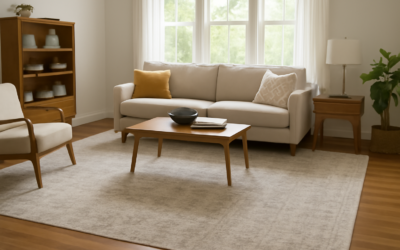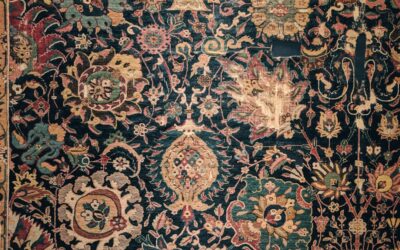
Ask a carpet installer for the most common room size they cover and the answer lands right around 120 square feet. That is why a 10×12 carpet is such a popular purchase. It fits the typical secondary bedroom, a modest living room, or a finished basement zone almost perfectly, and it happens to be a size you can often buy as a bound remnant instead of paying for a full custom order. Understanding what “10×12” really means in the carpet world saves you money and prevents the frustration of a piece that arrives too small.
What You Are Actually Buying
Carpet is sold three ways, and 10×12 shows up in all of them. First, there is the broadloom remnant, which is a leftover piece cut from a 12-foot-wide roll and often bound on the edges to become a finished area rug. Second, there is a manufactured 10×12 area rug with a serged or fringed border. Third, wall-to-wall installers may quote a 10×12 room, meaning they’ll seam roll goods to cover it. Knowing which one you need changes both the price and the prep.
Because standard broadloom rolls are 12 feet wide, a 10×12 piece comes off the roll with almost no seam, which is a real advantage. A 12-foot dimension matches the roll width exactly, so you get a clean, single-piece rug in that direction.
Measuring Your Room Correctly
Measure the longest and widest points of the room, then add a few inches for wall irregularities if you are going wall-to-wall. For an area rug, you want to leave a border of exposed floor around the carpet, typically 8 to 18 inches on each side. A true 10×12 rug in a 12-by-14 room leaves about a foot of floor showing all around, which is the look most designers aim for.
Do not forget doorways and closets when planning wall-to-wall coverage. Those bump-outs add square footage and sometimes force a seam. Sketch the room on paper with real numbers before you shop, and always order 5 to 10 percent extra for cuts, matching pile direction, and future patches.
Cost Breakdown
- Remnant, unbound: often $60 to $150 for a 10×12 piece if the store is clearing inventory.
- Bound remnant or basic area rug: $150 to $400 depending on fiber and pile.
- Mid-grade branded area rug: $400 to $900 for wool blends or plush nylon.
- Wall-to-wall installed: figure carpet at $2 to $6 per square foot plus $0.50 to $1 per square foot for pad and $1 to $2 for labor, so roughly $400 to $1,100 for the room.
Binding a raw remnant into a finished rug usually costs $2 to $4 per linear foot, so a 10×12 with 44 feet of perimeter runs about $90 to $175 to bind. That is often cheaper than buying a comparable finished rug.
Choosing the Right Fiber
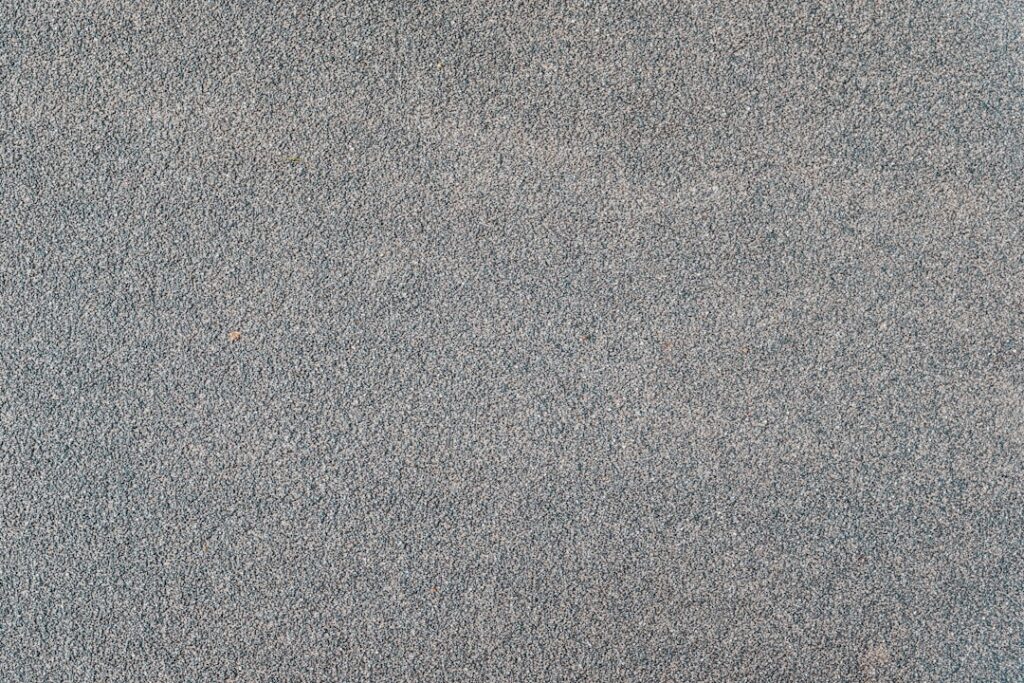
Fiber decides how the carpet feels and how long it lasts. Nylon is the toughest synthetic and bounces back from foot traffic, making it the go-to for living rooms and stairs. Polyester and the newer triexta (SmartStrand) fibers feel soft and resist stains well, ideal for bedrooms. Olefin (polypropylene) is budget-friendly and moisture-resistant, which suits basements but crushes faster under heavy use. Wool is the premium natural option, warm and resilient, but it costs the most and needs gentle care.
Match the pile to the room. A dense, low-pile loop like Berber hides traffic in a family room, while a plush saxony feels luxurious in a bedroom but shows footprints. In a 10×12 space that gets daily use, a mid-height cut pile in nylon is the safe, long-lasting bet.
Pad and Underlayment
Never lay carpet without a pad, even an area rug on hardwood. A 7/16-inch, 6- to 8-pound rebond pad is the standard for residential rooms and adds cushion, insulation, and years of life by absorbing crushing forces. For an area rug over a hard floor, a thin felt-and-rubber rug pad keeps the carpet from sliding and protects the finish underneath. Skimping on the pad is the single most common way homeowners shorten the life of an otherwise good carpet.
Installing a 10×12 Carpet
For a finished area rug, installation is simple: roll it out, let it relax for 24 hours to release shipping creases, and lay a pad cut two inches smaller on every side. Wall-to-wall is a bigger job. Installers tack down perimeter strips, lay the pad, then stretch the carpet over the strips using a power stretcher and knee kicker so it stays taut and wrinkle-free for years.
If you tackle wall-to-wall yourself, rent a power stretcher rather than relying on a knee kicker alone. Under-stretched carpet ripples within a season, and re-stretching later costs almost as much as the original labor. Seams, if any, should be hot-glue seamed with a seaming iron and tape, never taped cold.
Care and Longevity
Vacuum a 10×12 carpet at least weekly, more in high-traffic homes, using a vacuum with adjustable height for the pile. Rotate an area rug every six months so wear and sun fading stay even. Blot spills immediately with a white cloth and a mild detergent solution, working from the outside of the spill inward. Schedule a professional hot-water extraction every 12 to 18 months to pull out the embedded grit that wears fibers down.
Handled this way, a quality nylon 10×12 carpet lasts 10 to 15 years, while a bargain olefin remnant may need replacing in 5. Buy the best fiber your budget allows, insist on a proper pad, and this common room size will stay comfortable and good-looking far longer than the sticker price suggests.
Area Rug or Wall-to-Wall?
The same 10×12 dimension serves two very different purposes, and choosing between them shapes the whole room. A bound area rug lets you keep an attractive hardwood or tile floor visible around the edges, moves with you when you relocate, and can be flipped or rotated to spread wear. Wall-to-wall covers the entire floor for maximum warmth and sound absorption, which is why it stays popular in bedrooms and basements where comfort underfoot matters most.
Renters and anyone who likes to redecorate should lean toward the area rug; it’s a no-commitment upgrade. Homeowners finishing a cold basement or a nursery often prefer wall-to-wall for the insulation and the soft, seamless surface a crawling baby or bare feet appreciate on a winter morning.
Reading the Carpet Label
Before you buy, flip the sample and check the spec label, because it tells you more than the showroom lighting will. Face weight, measured in ounces per square yard, indicates how much fiber is packed in; 40 to 60 ounces is solid for a residential room. Twist level and density ratings predict how well the pile resists matting, and a higher density number means the tufts are packed tighter and will crush less.
Also note the warranty and any stain-resistance treatment. A carpet rated for heavy residential traffic with a built-in stain shield is worth a few extra dollars per square foot in a family living room. For a low-traffic guest room, you can safely step down to a lighter grade and put the savings toward a better pad, which does more for comfort and longevity than most people realize.