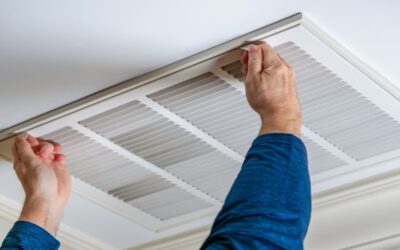
It is one of the most common HVAC parts in American homes, and one of the most neglected. The 16x25x1 furnace filter slides into the return of countless furnaces and air handlers, protecting the equipment and cleaning your indoor air. Picking the right one and changing it on schedule quietly affects your energy bills, air quality, and even how long your furnace lasts. This guide covers everything you need to know about the 16x25x1 furnace filter.
- What the Numbers Mean
- Nominal vs. Actual Size
- Understanding MERV Ratings
- The Airflow Trade-Off
- How Often to Change It
- Types of 16x25x1 Filters
- How to Replace It
- Why It Matters
- Where the Filter Lives in Your System
- Signs You Are Using the Wrong Filter
- Buying and Storing Filters
- Quick Answers to Common Questions
- The Bottom Line
What the Numbers Mean
The three numbers are the dimensions in inches: 16 inches wide, 25 inches tall, and 1 inch thick. That 1-inch depth is the thin, common style found in most wall or ceiling return grilles and in the slot beside many furnaces. Thicker media filters (4 or 5 inches) exist for cabinets built to hold them, but the 16x25x1 is the standard slim size for typical residential systems.
Nominal vs. Actual Size
Here is a detail that trips people up: the printed “16x25x1” is the nominal size, and the true measured dimensions are slightly smaller, usually around 15.5 x 24.5 x 0.75 inches. This undersizing is intentional so the filter slides in and out easily. When you replace a filter, match the nominal size printed on the frame rather than measuring the old one and getting confused by the fractional numbers. If your grille is truly a different size, measure the opening and buy the matching nominal size.
Understanding MERV Ratings
MERV (Minimum Efficiency Reporting Value) rates how well a filter captures particles, on a scale from 1 to 20. For homes, the useful range is:
- MERV 1-4: cheap fiberglass filters. They protect the equipment but catch little dust and few allergens. Better than nothing, barely.
- MERV 5-8: basic pleated filters. Capture dust, pollen, and lint. A solid baseline for most homes.
- MERV 9-12: better pleated filters. Trap fine dust, mold spores, and pet dander. A good choice for allergy sufferers.
- MERV 13-16: high-efficiency filters that capture very fine particles, smoke, and some bacteria. Excellent air quality, but higher airflow resistance.
For most homes, MERV 8 to 11 is the sweet spot: meaningfully better air without choking airflow. Before jumping to MERV 13, make sure your system can handle it, because a too-restrictive filter strains the blower.
The Airflow Trade-Off
A higher MERV filter catches more, but it also resists airflow more. If you install a very dense filter in a system not designed for it, the blower works harder, efficiency drops, and in extreme cases the furnace can overheat or the coil can freeze. This is why matching filter density to your system matters. When in doubt, a clean MERV 8-11 filter changed on schedule beats a clogged MERV 13 that starves the system. If you want high filtration, consider a thicker 4-inch media cabinet, which offers high MERV with lower resistance.
How Often to Change It
A 1-inch filter has limited dust-holding capacity, so it needs frequent changes:
- Every 1-2 months for a standard 1-inch pleated filter in an average home.
- Every month if you have pets, allergies, smokers, or run the system constantly.
- Every 2-3 months at most for a lightly used system in a clean, pet-free home.
Check it monthly and hold it up to the light. If you cannot see light through it, replace it. A clogged filter is the most common cause of weak airflow, high bills, and premature furnace wear.
Types of 16x25x1 Filters
The same size comes in several media:
- Fiberglass (spun blue): cheapest at $1-$3 each, low MERV, mainly protects equipment.
- Pleated (paper/synthetic): the most popular, $5-$15 each, available across MERV 8-13.
- Electrostatic/washable: reusable, higher upfront cost, but must be dried fully before reinstalling.
- High-efficiency pleated (MERV 13): best filtration in the 1-inch format, $10-$20 each.
How to Replace It
Swapping the filter takes two minutes:
- Turn the thermostat to off so the blower is not running.
- Locate the filter slot, in the return grille or beside the furnace.
- Slide out the old filter and note the airflow arrow printed on its frame.
- Insert the new filter with the arrow pointing toward the furnace/blower, in the direction of airflow.
- Close the cover and turn the thermostat back on.
Installing a filter backward reduces its effectiveness, so always follow the arrow.
Why It Matters
A fresh, correctly sized filter delivers real benefits:
- Protects the blower motor and coil from dust buildup, extending equipment life
- Maintains proper airflow so the system heats and cools efficiently
- Improves indoor air quality by trapping dust, pollen, and dander
- Lowers energy bills by keeping the system from working against restriction
Where the Filter Lives in Your System
Knowing where your 16x25x1 filter sits makes changing it painless. In most homes it occupies one of two spots: a slot in the return-air duct right next to the furnace or air handler, or behind a return-air grille mounted on a wall or ceiling. Some homes have more than one return grille, each with its own filter, so check every return in the house. If you cannot find a filter slot at the furnace, look for the largest vent grille in a hallway or wall; it likely hinges open to reveal the filter. Confirming the location and the direction of airflow now saves confusion later, and it helps you verify the 16x25x1 size is actually what your system takes.
Signs You Are Using the Wrong Filter
A filter that does not fit or is too restrictive causes real problems. Watch for these signs:
- Gaps around the filter: if it is loose in the slot, unfiltered air bypasses it, dirtying the coil. You may need a different nominal size.
- Whistling or a bowing filter: the media is too dense for your system, restricting airflow. Drop to a lower MERV.
- Frozen coil in summer or an overheating furnace: classic symptoms of airflow starvation from a clogged or overly restrictive filter.
- Filter sucked out of place or collapsed: a sign of excessive restriction or a filter installed backward.
The fix is usually the right nominal size at a MERV your system can handle, changed on schedule.
Buying and Storing Filters
Buying 16x25x1 filters in bulk saves money and guarantees you always have one when it is time to swap. Multi-packs of six or twelve pleated filters cost far less per unit than singles, and they store flat in a closet or garage. Keep them somewhere dry, since damp storage can degrade the media. A handy trick is to write the installation date on the cardboard frame with a marker each time you install one, so a quick glance tells you how long it has been in service. Pairing bulk purchase with a recurring reminder is the simplest way to never let a dirty filter linger in your system.
Quick Answers to Common Questions
What does 16x25x1 mean? The dimensions in inches: 16 wide, 25 tall, 1 thick. The true measured size is slightly smaller (about 15.5 x 24.5 x 0.75 inches), which is normal for the nominal size.
How often should I change it? Every 1-3 months for a 1-inch pleated filter, monthly if you have pets, allergies, or smokers. Check it monthly and replace it when light no longer passes through.
What MERV should I use? MERV 8-11 suits most homes, balancing clean air with good airflow. Go higher only if your system is designed for it, since a too-dense filter strains the blower.
Which way does it go in? With the airflow arrow on the frame pointing toward the furnace or blower, in the direction air moves. Installing it backward reduces its effectiveness.
The Bottom Line
The 16x25x1 furnace filter is small and cheap, but it punches above its weight in comfort, air quality, and equipment protection. Buy the correct nominal size, choose MERV 8-11 for most homes (or higher only if your system supports it), install it with the arrow pointing toward the furnace, and change it every one to three months. Keep a few on hand and set a reminder, and this two-dollar habit will pay off across your whole HVAC system.