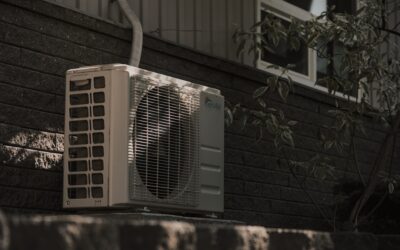
Of all the ductless sizes on the market, one hits the sweet spot for the majority of American rooms. An 18,000 Btu mini split, a 1.5-ton unit, heats and cools spaces that are too big for the entry-level 9,000 and 12,000 Btu models but do not need a whole-house system. This guide covers exactly what square footage it serves, the efficiency numbers that matter, and what you should expect to pay.
What 18,000 Btu Actually Means
BTU stands for British Thermal Unit, the measure of how much heat a system can move per hour. An 18,000 Btu unit can add or remove 18,000 BTUs of heat every hour, which translates to 1.5 tons of capacity in HVAC terms, since one ton equals 12,000 BTUs.
Nearly all modern mini splits are heat pumps, meaning this same unit both cools in summer and heats in winter by reversing its refrigerant flow. That two-in-one function is a big part of why ductless systems have become so popular for additions and problem rooms.
What Size Room It Serves
The rule of thumb is roughly 20 to 25 BTUs per square foot for cooling, though climate and conditions shift that. For an 18,000 Btu unit, that works out to a broad practical range.
- Standard conditions: 700–1,000 square feet
- Well-insulated, shaded room: Up to about 1,000 square feet
- Sun-drenched, poorly insulated, or high-ceiling space: Closer to 700 square feet
Typical spaces this size fits include a large living room, an open-concept kitchen-and-dining area, a finished basement, a two-car garage conversion, or a sizable primary bedroom. For a small bedroom, this unit would be oversized and short-cycle.
Why Correct Sizing Matters
Bigger is not better with mini splits. An oversized unit cools the air quickly but shuts off before it removes humidity, leaving the room cold and clammy. This short-cycling also wears out the compressor faster and wastes energy.
An undersized unit, by contrast, runs constantly and never quite reaches the target temperature on the hottest days. The 18,000 Btu size is popular precisely because it matches so many common rooms without falling into either trap. When your space sits near a size boundary, factor in ceiling height, sun exposure, and insulation before deciding.
Understanding SEER2 and HSPF2
Efficiency ratings determine your operating cost and whether the unit qualifies for rebates. The two key numbers are SEER2 for cooling and HSPF2 for heating.
- SEER2: Seasonal cooling efficiency; higher is better, with quality units running 18 to 22+
- HSPF2: Seasonal heating efficiency; look for 8.5 or higher for cold-climate performance
- Inverter compressor: Modulates speed instead of cycling on and off, boosting real-world efficiency
A higher-SEER2 18,000 Btu unit costs more upfront but pays back through lower bills, and many high-efficiency models qualify for federal tax credits or utility rebates that offset the premium.
Single-Zone vs. Multi-Zone
An 18,000 Btu system usually comes as a single-zone setup: one outdoor condenser paired with one indoor air handler serving one large space. This is the simplest and most efficient configuration.
You can also find 18,000 Btu multi-zone condensers that split the capacity across two or three smaller indoor heads, say a 9,000 Btu head in one bedroom and a 9,000 in another. This is ideal for conditioning several small rooms from a single outdoor unit, though total efficiency drops slightly compared with a matched single zone.
Installation and Cost
Budget realistically, because the equipment is only part of the total. The bare unit often runs $1,000 to $2,000, but professional installation, which includes mounting, the refrigerant line set, electrical, and vacuum-and-charge, brings the installed cost to a wider range.
- DIY-friendly pre-charged kits: $1,200–$2,200 for the equipment
- Professional installation: $3,000–$5,000 all in, depending on complexity
- Electrical upgrades: Add $300–$900 if a new 240V circuit is required
The refrigerant connection and electrical hookup legally require certified professionals in most cases, so factor that into any DIY plan.
Cold-Climate Performance
Not all 18,000 Btu units heat equally well when the temperature drops. Standard heat pumps lose capacity as it gets colder, and a unit that delivers a full 18,000 BTUs at 47°F may put out far less at 5°F. For northern homes, this matters enormously.
Look for cold-climate or hyper-heat rated models, which use enhanced compressors and vapor injection to hold most of their capacity down to -5°F or even -13°F. These cost more but can serve as a genuine primary heat source through a real winter. In milder climates, a standard model is fine and the premium is not worth it, so match the cold-climate rating to how harsh your winters actually get.
Maintenance to Keep It Efficient
A mini split rewards easy, regular upkeep with years of efficient service. The washable filters in the indoor head are the biggest lever, and they clog surprisingly fast.
- Clean the filters every 2 to 4 weeks by rinsing and drying them
- Wipe the indoor coil and blower wheel annually to prevent mold and airflow loss
- Keep the outdoor unit clear of leaves, snow, and debris for proper airflow
- Check the condensate drain line for clogs that cause water to back up and drip
A dirty filter alone can cut efficiency by 15 percent or more and strain the compressor, so this five-minute task is the highest-value maintenance you can do.
Is It the Right Size for You
An 18,000 Btu mini split is the go-to choice for a large living area, open floor plan, finished basement, or converted garage in the 700-to-1,000-square-foot range. Confirm your room’s square footage against your insulation and sun exposure, prioritize a high SEER2 rating with an inverter compressor, and check for rebates before buying. Sized correctly, this 1.5-ton workhorse delivers efficient, year-round comfort to the exact spaces that give conventional HVAC the most trouble.