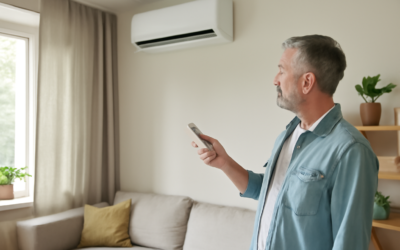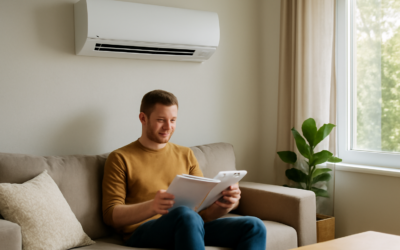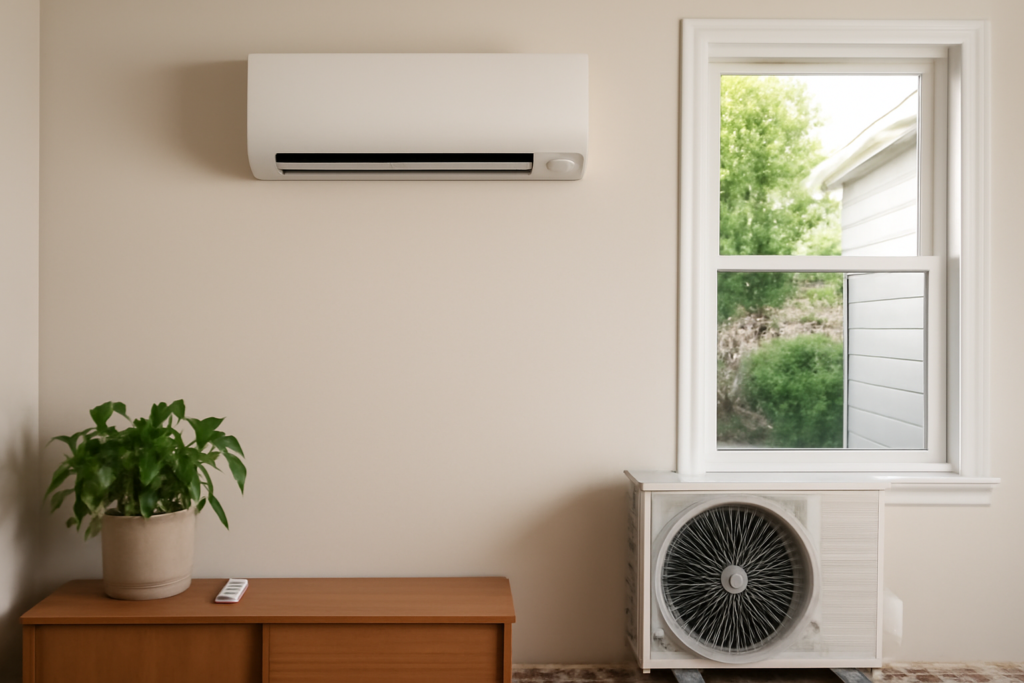
A Daikin mini split 12,000 BTU system is the ductless workhorse most homeowners land on when they need to condition a single room without extending their central HVAC. One ton of cooling capacity, which is exactly what 12,000 BTU represents, hits the size that fits bedrooms, home offices, converted garages, and sunrooms in the 450 to 550 square foot range. Daikin, the world’s largest air conditioning manufacturer, backs these units with efficiency ratings and warranties that consistently beat budget brands, which is why they show up in so many quotes.
Before you commit several thousand dollars, it pays to understand which model fits your space, what the numbers on the spec sheet mean, and where the install costs hide.
- What 12,000 BTU Actually Cools
- Popular Daikin 12,000 BTU Models
- Understanding SEER2 and HSPF2 Ratings
- Installation: What Drives the Price
- Heating Performance in Cold Weather
- Noise, Maintenance, and Lifespan
- Single-Zone Versus Multi-Zone Setups
- Rebates and Long-Term Savings
- Is the 12,000 BTU Daikin Right for You?
What 12,000 BTU Actually Cools
BTU, British Thermal Units per hour, measures how much heat a system moves. The rough rule of thumb is 20 BTU per square foot for cooling, so 12,000 BTU comfortably handles about 500 to 550 square feet under average conditions. That number shifts with your circumstances:
- A sun-drenched room with large west-facing windows loses effective capacity; size down the coverage to around 450 square feet.
- A well-insulated, shaded bedroom might stay comfortable up to 600 square feet.
- Kitchens and rooms with heat-producing electronics need extra capacity for the same floor area.
- Ceilings above 9 feet add volume the calculator must account for.
Oversizing is a real mistake, not a safety margin. A unit that is too large short-cycles, cooling the air fast without removing humidity, leaving the room cold and clammy.
Popular Daikin 12,000 BTU Models
Daikin’s lineup can look alphabet-soupy, so here are the series homeowners actually see on quotes.
Daikin 19 Series
The value tier, offering up to 19 SEER2 cooling and reliable heat down to about 5°F. A solid pick for mild-to-moderate climates and the most budget-friendly Daikin single-zone system.
Daikin Aurora (20 Series)
Built for cold climates, the Aurora keeps producing usable heat down to -13°F thanks to a base pan heater and enhanced compressor. If you plan to heat with it through a northern winter, this is the one to specify.
Daikin FTX and LV Series
Higher-efficiency options reaching into the low-20s SEER2 with quieter indoor heads and enhanced dehumidification modes. Worth the premium in hot, humid regions where the unit runs constantly.
Understanding SEER2 and HSPF2 Ratings
Two efficiency numbers dominate the spec sheet. SEER2 measures cooling efficiency across a season; higher is cheaper to run. Most Daikin 12,000 BTU units land between 19 and 24.5 SEER2. HSPF2 rates heating efficiency, typically 8.5 to 10 on these models.
The dollars-and-cents difference is real. Jumping from a 14 SEER2 window unit to a 20 SEER2 Daikin mini split can cut cooling energy use by roughly 30 percent. Over a decade of summers, that gap often covers a big chunk of the price difference between a budget brand and the Daikin.
Installation: What Drives the Price
The equipment is only part of the bill. A single-zone 12,000 BTU Daikin system, including the outdoor condenser and indoor wall-mounted head, costs roughly $1,000 to $1,800 for the hardware alone. Professional installation typically brings the all-in price to $3,000 to $5,000. The variables that move that number include:
- Line-set length. The refrigerant lines run between the indoor and outdoor units. Longer runs and additional bends cost more labor.
- Electrical work. Most units need a dedicated 208/230-volt circuit and a disconnect box near the condenser.
- Mounting. A ground pad, wall brackets, or a rooftop stand for the condenser each carry different costs.
- Condensate handling. A gravity drain is cheap; a condensate pump for a basement install adds parts and labor.
Daikin honors its 12-year parts warranty only when a licensed contractor performs the install and registers the unit, so the DIY mini split kits you see online can void that coverage.
Heating Performance in Cold Weather
Modern inverter-driven Daikin systems are genuine heat sources, not just supplemental units. The standard 19 series produces rated heat down to about 5°F, while the Aurora line keeps working to -13°F. At those extremes capacity drops, so a 12,000 BTU unit that heats 500 square feet in mild weather may only cover 350 to 400 square feet on the coldest night of the year.
If the mini split is your only heat in a cold region, size for the design temperature in your climate zone rather than the average, and consider stepping up to the Aurora. In milder southern winters, the standard series handles heating loads easily and often costs less to run than electric baseboard or a heat-strip furnace.
Noise, Maintenance, and Lifespan
One reason people love these units is how quiet they are. Daikin indoor heads run as low as 19 to 26 decibels on their lowest fan speed, quieter than a whispered conversation. The outdoor condenser sits around 50 decibels, comparable to a refrigerator.
Maintenance is minimal but not zero. Rinse or vacuum the washable indoor filters every month during heavy use, keep the outdoor coil clear of leaves and grass clippings, and have a technician check the refrigerant charge and clean the coils every year or two. Handled that way, a Daikin mini split routinely lasts 15 to 20 years.
Single-Zone Versus Multi-Zone Setups
A 12,000 BTU Daikin usually shows up as a single-zone system, one outdoor unit paired with one indoor head. That is the simplest, most efficient, and cheapest configuration, and it is the right call when you have a single problem room. But Daikin also builds multi-zone condensers that let you run several indoor heads off one outdoor unit, and a 12,000 BTU head can be one zone in a larger system.
The tradeoff is worth understanding. Single-zone systems typically post higher efficiency numbers and cost less per zone up front. Multi-zone setups save space outdoors and let you condition several rooms independently, each with its own thermostat and remote, but the shared compressor can run less efficiently when only one zone calls for cooling. If you only need to fix one room now but expect to add more later, ask your installer about a multi-zone condenser sized to grow with you.
Rebates and Long-Term Savings
The sticker price is only part of the picture. High-efficiency heat pumps like the Daikin often qualify for federal tax credits and local utility rebates, which can shave hundreds to a couple thousand dollars off the installed cost. Federal energy-efficiency incentives have covered a percentage of qualifying heat pump installations, and many electric utilities add their own rebates to encourage the switch away from resistance heat and old AC units. Check current programs before you buy, and keep the model’s efficiency documentation for the paperwork.
Over the life of the system, the efficiency gains compound. Replacing a window shaker and electric baseboard with a single 20-plus SEER2 Daikin mini split commonly trims a meaningful slice off monthly cooling and heating bills, especially in shoulder seasons when the inverter compressor sips power at low speed rather than cycling hard on and off. Add the rebates to the energy savings and the payback period on the premium Daikin equipment often lands within a handful of years.
Is the 12,000 BTU Daikin Right for You?
Choose this size when you have a single 450 to 550 square foot space to condition, want efficient year-round comfort, and value a quiet unit with a long warranty. Step up to an 18,000 or 24,000 BTU model for open floor plans or multiple rooms, and consider a multi-zone Daikin condenser if you want to add heads to several rooms off one outdoor unit.
For the classic problem of one hot bedroom, one stuffy office, or a garage you finally want to use year-round, a Daikin mini split 12,000 BTU remains one of the smartest comfort upgrades a homeowner can buy. Get a load calculation from a licensed installer, match the model series to your climate, and this ductless system will quietly earn its keep for two decades.