For rooms that ductwork cannot reach, home additions, and whole-house comfort without ducts, ductless systems have become a go-to solution. A trane mini split delivers efficient heating and cooling from a trusted HVAC brand, with inverter-driven compressors that modulate output to hold steady temperatures. This guide covers the models, sizing, efficiency ratings, and installation so you can decide if a Trane ductless system fits your home.
- What a Mini Split Is
- Single-Zone Versus Multi-Zone
- Understanding SEER2 Ratings
- Heating Efficiency and HSPF2
- Sizing by BTU
- Indoor Unit Styles
- Inverter Technology
- Installation Overview
- Cost Expectations
- Maintenance Basics
- Troubleshooting Common Issues
- Cold-Climate Performance
- Zoning and Energy Savings
- Smart Controls and WiFi
- Common Mistakes to Avoid
- Rebates, Credits, and Payback
- Final Thoughts
What a Mini Split Is
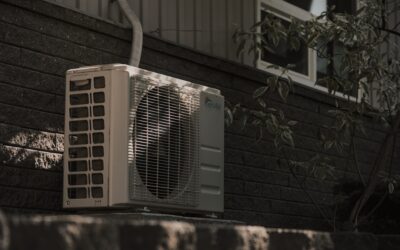
A ductless mini split pairs an outdoor condenser with one or more indoor air handlers connected by a small refrigerant line set rather than bulky ducts. Each indoor unit conditions its own zone, so you heat or cool only the rooms in use. Because there are no ducts, you avoid the 20 to 30 percent energy loss typical of ducted systems, making mini splits an efficient choice for targeted comfort.
Single-Zone Versus Multi-Zone
A single-zone system connects one outdoor unit to one indoor head, ideal for a single room, garage, or addition. A multi-zone system links one outdoor unit to several indoor heads, letting you condition multiple rooms independently from one condenser. Trane offers both, and multi-zone systems suit whole-home applications where each family member can set their own room temperature without affecting the rest of the house.
Understanding SEER2 Ratings
Cooling efficiency is measured in SEER2, the updated seasonal energy efficiency ratio. Higher numbers mean lower operating costs. Trane ductless systems reach high SEER2 ratings, with premium models exceeding 20 SEER2, well above the minimum standards. A higher SEER2 unit costs more up front but saves on electricity over its life, and it may qualify for utility rebates or federal energy tax credits worth pursuing.
Heating Efficiency and HSPF2
Because most mini splits are heat pumps, they heat as well as cool, rated by HSPF2 for heating efficiency. Modern Trane heat pump mini splits provide effective heating even in cold climates, with some cold-climate models maintaining strong output at temperatures well below freezing. This dual capability lets a mini split replace both a furnace and an air conditioner in the right application, simplifying your home’s HVAC.
Sizing by BTU
Proper sizing is critical and measured in BTUs. A rough guideline is 20 BTU per square foot, so a 500-square-foot room needs roughly 9,000 to 12,000 BTU. Indoor heads commonly come in 9,000, 12,000, 18,000, and 24,000 BTU capacities. Oversizing causes short cycling and poor humidity control, while undersizing leaves rooms uncomfortable. A professional load calculation, factoring insulation, windows, and climate, gives the accurate size.
Indoor Unit Styles
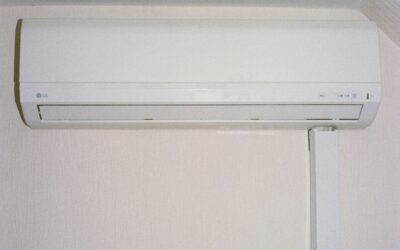
Trane offers several indoor unit types. Wall-mounted heads are most common and affordable, ceiling cassettes recess into a drop ceiling for a discreet look, and floor-mounted and concealed-duct units serve special layouts. Choose the style based on room aesthetics and where refrigerant lines can run. Wall units suit most rooms, while cassettes work well in offices and finished spaces where you want minimal visual intrusion.
Inverter Technology
The heart of a modern mini split is its inverter compressor, which varies speed to match the exact heating or cooling demand rather than cycling on and off. This holds temperature within a tight band, reduces energy use, and runs quietly. Trane’s inverter systems ramp up quickly to recover temperature, then settle to a low, efficient hum, avoiding the temperature swings and noise of older fixed-speed equipment.
Installation Overview
Installation involves mounting the indoor heads, setting the outdoor condenser on a pad or wall bracket, running the refrigerant line set, condensate drain, and control wiring through a small three-inch wall penetration, then evacuating and charging the system. This is professional work requiring EPA Section 608 certification to handle refrigerant. Proper vacuum and charge are essential, so choose a qualified Trane dealer rather than attempting a DIY install.
Cost Expectations
A single-zone Trane mini split typically costs $3,000 to $6,000 installed depending on capacity and indoor unit style. Multi-zone systems run $7,000 to $15,000 or more depending on the number of heads. While pricier than a window unit, a mini split delivers far better efficiency, quiet operation, and heating capability, and it adds long-term value and comfort, especially where extending ductwork would be expensive or impossible.
Maintenance Basics
Mini splits need regular care to keep efficiency high. Clean or rinse the washable indoor filters every few weeks, keep the outdoor condenser clear of leaves and debris, and have a technician check the refrigerant charge and coils annually. Neglected filters and dirty coils are the most common causes of weak performance. Keeping the system clean preserves the high SEER2 efficiency you paid for and extends component life.
Troubleshooting Common Issues
If a head blows weak air, a dirty filter is the usual cause, so clean it first. Water dripping from an indoor unit often means a clogged condensate drain that needs clearing. If the system stops heating or cooling entirely, check that the remote settings, breaker, and outdoor unit are all functioning. Persistent problems, ice on the coil, or refrigerant issues require a certified technician rather than DIY fixes. Keeping a simple log of filter cleanings and any odd behavior helps a technician diagnose faster, and addressing small issues early, such as a slightly clogged drain or a dirty filter, prevents them from cascading into compressor strain or water damage that costs far more to repair later.
Cold-Climate Performance
Older heat pumps lost most of their heating capacity in deep cold, but modern cold-climate mini splits maintain strong output well below freezing, some down to minus 5 degrees or lower. If you live in a cold region and want a mini split as a primary heat source, choose a cold-climate rated Trane model and verify its rated capacity at your typical low temperatures. In the harshest climates, pairing it with a backup heat source ensures comfort during extreme cold snaps.
Zoning and Energy Savings
The real efficiency win of a multi-zone system is heating and cooling only occupied rooms. Instead of conditioning an entire house to comfort one bedroom, you run just the zones in use and set unoccupied rooms warmer or cooler. Over a year this targeted approach saves significant energy compared to a central system that treats the whole house as one zone. Each family member can also set their own room’s temperature independently.
Smart Controls and WiFi
Many Trane mini splits offer WiFi connectivity and smartphone control, letting you adjust settings, schedule temperatures, and monitor energy use from an app. Some integrate with smart home platforms and voice assistants. Scheduling lets you pre-condition rooms before you wake or arrive home, and remote control means you can turn off a forgotten zone from anywhere. These features add convenience and can squeeze out additional energy savings through smarter scheduling.
Common Mistakes to Avoid
The most frequent errors are oversizing the system, skipping the load calculation, and choosing an installer based on price alone. An oversized mini split short cycles and controls humidity poorly, while a bargain installation with an improper refrigerant charge underperforms for years. Placing indoor heads where furniture or curtains block airflow also hurts performance. Avoid these by sizing correctly, hiring a certified Trane dealer, and positioning heads for clear, unobstructed air distribution.
Rebates, Credits, and Payback
High-efficiency Trane mini splits often qualify for federal energy tax credits and local utility rebates, which can offset a meaningful portion of the installed cost. Because ductless systems avoid duct losses and let you condition only occupied zones, the energy savings shorten the payback period compared to replacing a central system. Ask your dealer which incentives apply to the specific model, and keep the certification paperwork, since claiming credits usually requires proof of the equipment’s efficiency ratings.
Final Thoughts
A trane mini split brings efficient, quiet, ductless heating and cooling to rooms and additions where traditional systems fall short. Size the BTUs correctly with a professional load calculation, choose single or multi-zone based on your rooms, favor high SEER2 models for long-term savings, and keep the filters and coils clean. Installed and maintained properly, a Trane ductless system delivers comfortable, zone-by-zone climate control for many years.