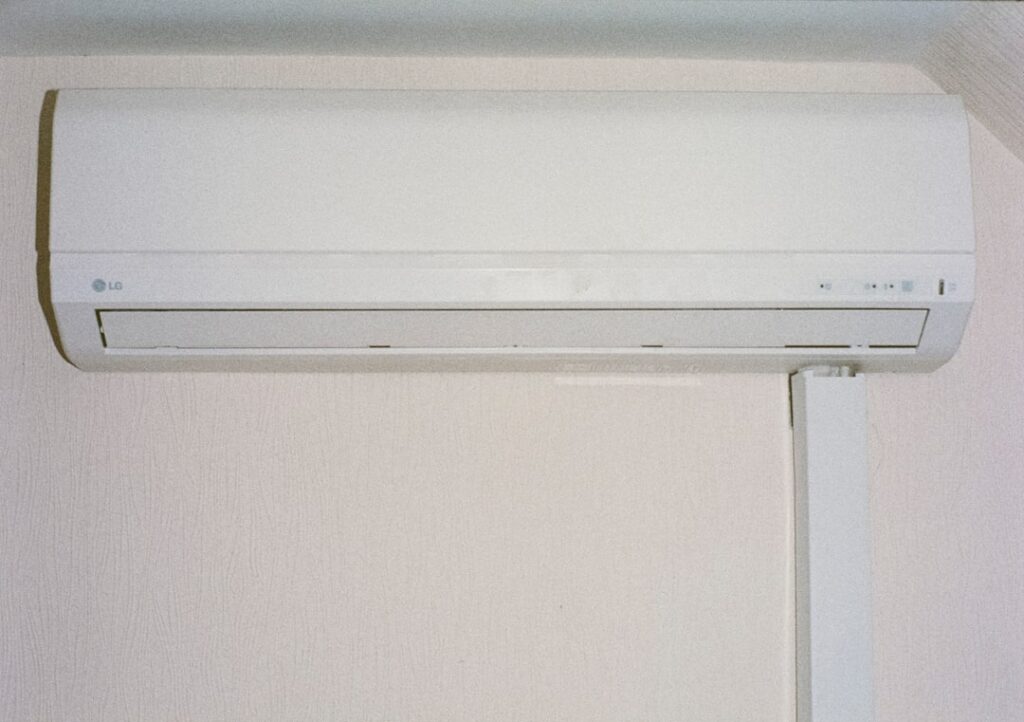
Ductless heating and cooling has gone from niche to mainstream, and for good reason: it is efficient, flexible, and skips the cost and losses of ductwork. Mini split systems pair an outdoor heat pump with one or more indoor units to condition individual rooms or an entire home. This guide is a complete overview of how mini split systems work, the types available, how to size and choose one, what they cost, and how they are installed.
- What a Mini Split System Is
- Heating and Cooling in One
- Why They Are So Efficient
- Single-Zone vs. Multi-Zone
- Indoor Unit Styles
- Sizing by BTU
- SEER and Efficiency Ratings
- What Mini Split Systems Cost
- Installation and Electrical Needs
- Pros and Cons
- Choosing Between Brands and Features
- Common Applications
- Maintaining a Mini Split System
- Quick Answers to Common Questions
- The Bottom Line
What a Mini Split System Is
A mini split is a ductless heating and cooling system built around a heat pump. It has two core components: an outdoor condenser/compressor unit and one or more indoor air handlers mounted in the rooms you want to condition. They are joined by a slim conduit carrying refrigerant lines, control wiring, and a condensate drain that passes through a roughly 3-inch hole in the wall. Because there are no ducts, conditioned air enters the room directly, avoiding the 20-30% energy loss common in ducted homes.
Heating and Cooling in One
Nearly all modern mini splits are heat pumps, meaning the same system both cools in summer and heats in winter by reversing the flow of refrigerant. In cooling mode it moves heat out of your home; in heating mode it pulls heat from outdoor air, even in cold weather, and brings it inside. Cold-climate models keep working efficiently well below freezing, some down to -5°F or lower, which is why mini splits have become a popular replacement for electric baseboard heat and aging furnaces.
Why They Are So Efficient
Two features drive the efficiency. First, no ducts means no duct losses. Second, inverter-driven compressors vary their speed continuously to match demand instead of cycling fully on and off. This keeps temperatures steady, avoids energy-wasting restarts, and delivers efficiency that window units and older central systems cannot match. The payoff is lower monthly energy bills.
Single-Zone vs. Multi-Zone
Mini split systems come in two configurations:
- Single-zone: one outdoor unit and one indoor head, conditioning a single room or open area. It is the simplest, most efficient, and least expensive setup.
- Multi-zone: one outdoor unit connected to two or more indoor heads, each independently controlled. This conditions several rooms or a whole home while letting each space set its own temperature. A single outdoor unit can typically support up to four, five, or more indoor heads depending on the model.
Indoor Unit Styles
The indoor units come in several forms to fit different rooms and tastes:
- Wall-mounted: the most common and affordable
- Ceiling cassette: recessed flush into the ceiling for a discreet look
- Floor-mounted: useful where wall or ceiling space is limited
- Concealed/ducted: hidden in a ceiling or closet, feeding short duct runs to serve a few rooms with one head
Sizing by BTU
Correct sizing is essential. Capacity is measured in BTU, and units range from about 9,000 to 36,000 BTU. Plan for roughly 20-25 BTU per square foot:
- 9,000 BTU: about 350-450 sq ft
- 12,000 BTU: about 450-550 sq ft
- 18,000 BTU: about 700-1,000 sq ft
- 24,000 BTU: about 1,000-1,300 sq ft
Adjust for insulation, ceiling height, sun, and windows. Avoid oversizing, which cools too fast to remove humidity and leaves rooms cold and clammy while short-cycling the compressor. A professional load calculation gives the most accurate size.
SEER and Efficiency Ratings
Cooling efficiency is rated by SEER2 and heating by HSPF2. Higher is better and cheaper to run:
- SEER2 16-18: budget-friendly and still efficient
- SEER2 19-22: the popular midrange
- SEER2 23+: premium units with the lowest operating costs
What Mini Split Systems Cost
Budget for equipment plus professional installation:
- Single-zone (9k-12k BTU): about $2,000-$4,000 installed
- Single-zone (18k-24k BTU): about $2,500-$5,500 installed
- Multi-zone (2-3 heads): about $4,000-$8,000+ installed
- Whole-home multi-zone (4+ heads): $8,000-$15,000+ installed
Installation and Electrical Needs
Standard mini split systems require professional installation. Connecting and charging the refrigerant line set, and pulling a vacuum to remove moisture, legally require an EPA Section 608-certified technician. Each system also needs its own dedicated 208/240V circuit and an outdoor disconnect, wired by a licensed electrician. Proper installation is the single biggest factor in performance and longevity, and most warranties require it.
Pros and Cons
Advantages: high efficiency, no ductwork needed, room-by-room control, quiet operation, both heating and cooling, and quick installation compared with ducted systems.
Considerations: higher upfront cost than window units, an indoor head visible in each room, and the need for professional installation.
Choosing Between Brands and Features
The mini split market ranges from premium Japanese and Korean manufacturers to value brands sold online. When comparing, weigh these factors beyond price:
- Efficiency ratings: higher SEER2 and HSPF2 numbers lower your bills over the system’s life.
- Cold-climate capability: if you heat with it, choose a model rated for strong output at low outdoor temperatures.
- Warranty length and support: established brands often back the compressor for many years with solid parts availability.
- Smart features: Wi-Fi control, scheduling, and app monitoring add convenience.
- Sound levels: quality indoor heads run remarkably quiet, which matters in bedrooms and offices.
A cheaper unit can look attractive, but factor in efficiency, warranty support, and whether local technicians will service it before deciding.
Common Applications
Mini split systems solve a wide range of real-world problems:
- Adding heating and cooling to an addition, garage conversion, or sunroom with no ducts
- Fixing a room that the central system never keeps comfortable
- Replacing aging electric baseboard heat with an efficient heat pump
- Conditioning a whole home without ductwork using a multi-zone design
- Providing independent comfort control in bedrooms so everyone sets their own temperature
- Supplementing or replacing a failing central system room by room
Maintaining a Mini Split System
These systems reward simple, regular care. Clean the washable indoor filters every two to four weeks so airflow stays strong, and wipe down the indoor units to keep dust off the vanes. Outdoors, keep the condenser clear of leaves and debris and rinse the coil gently with a garden hose a couple of times a year, never a pressure washer. Make sure the condensate drain flows freely to prevent water dripping indoors, and run the fan-only or dry mode after cooling to dry the interior and discourage mold. Once a year, have an EPA-certified technician check the refrigerant charge, inspect the electrical connections, and deep-clean the coil. This modest routine keeps efficiency high and helps the system reach its full 15-to-20-year lifespan.
Quick Answers to Common Questions
How does a mini split system work? An outdoor heat pump connects to one or more indoor air handlers through a slim refrigerant line set, delivering conditioned air directly into rooms with no ductwork and no duct losses.
Single-zone or multi-zone? Single-zone (one indoor head) is simplest and most efficient for one space. Multi-zone (several heads on one outdoor unit) conditions multiple rooms with independent control.
How many indoor units can one outdoor unit run? Depending on the model, a single condenser can typically support four, five, or more indoor heads.
Do they heat in winter? Yes. Nearly all are heat pumps, and cold-climate models keep heating efficiently well below freezing.
Can I install one myself? Standard systems require an EPA-certified technician for the refrigerant work and dedicated 208/240V circuits, and most warranties require professional installation.
How long do mini split systems last? With regular filter cleaning and an annual professional check, a quality system commonly runs 15 to 20 years, often longer than the central systems they replace.
Are they expensive to run? No. Thanks to inverter compressors and the absence of duct losses, they are among the most efficient ways to heat and cool, which keeps monthly energy bills low compared with window units, baseboard heat, and older central systems.
The Bottom Line
Mini split systems are among the most efficient and flexible ways to heat and cool a home, delivering ductless comfort with precise room-by-room control. Choose single-zone for one space or multi-zone for several, size each head honestly to its square footage, aim for SEER2 19 or higher, and always use a licensed, EPA-certified installer on dedicated circuits. Done right, a mini split system pays back in comfort and lower energy bills for 15 to 20 years.