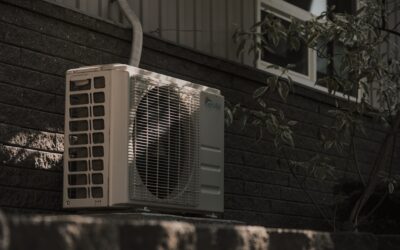
Bosch is better known for appliances and power tools, but the company also makes a respected line of inverter heat pumps for home comfort. A Bosch mini split—marketed as the IDS, or Inverter Ductless Split, 2.0 climate line—sits in the mid-premium tier, sold through HVAC contractors rather than direct to consumers. This guide walks through how it works, its specs, what it costs, and where it fits.
What the Bosch IDS 2.0 Is
The IDS 2.0 (Inverter Ductless Split, second generation) is Bosch’s ductless mini split platform. It’s built around a variable-speed inverter compressor and offered in both single-zone and multi-zone configurations. Bosch positions it as a reliable, quietly engineered system that undercuts the very top premium brands while offering better build quality and support than bargain lines.
Unlike direct-to-consumer value brands, Bosch equipment moves through a contractor and distributor network. That means you buy it as part of an installed package from a licensed HVAC pro, which affects both pricing and the warranty structure.
How It Works
A Bosch mini split pairs an outdoor condenser with one or more indoor air handlers connected by a slim refrigerant line set—no ductwork required. The inverter compressor continuously modulates its speed to match the room’s exact load, holding temperature within a tight band while minimizing energy use. A reversing valve lets the same unit heat in winter by extracting heat from outdoor air and cool in summer by rejecting it.
Bosch IDS systems have run on R-410A refrigerant, with the lineup moving toward lower-GWP refrigerants such as R-454B as EPA regulations phase down higher-GWP options. The inverter design is what delivers the quiet operation—indoor heads often run near 20 to 25 decibels on low—and the steady dehumidification homeowners appreciate.
Performance and Efficiency
Bosch single-zone systems commonly rate around 20 to 22 SEER2 for cooling and roughly 9 to 10 HSPF2 for heating, placing them firmly in the efficient, rebate-eligible range. The IDS platform is engineered for cold-climate performance, with models rated to keep producing heat well below freezing—many deliver usable capacity down toward 5°F or lower, making them credible primary heating for cold regions.
Capacities cover the standard spread of 9,000, 12,000, 18,000, 24,000, and 36,000 BTU for single zones, with multi-zone condensers driving multiple indoor heads of mixed sizes. Indoor options include wall-mounted heads plus concealed and ceiling-cassette styles depending on the series.
Why Choose Bosch
- Balanced value: Better support and build than budget brands, lower cost than top-tier premium names.
- Quiet operation: Low-decibel indoor heads suited to bedrooms and offices.
- Cold-climate capability: Strong low-temperature heating output.
- Brand backing: A large, established company with a real parts and support infrastructure.
Sizing the System
Correct sizing is the single biggest factor in satisfaction. A unit that’s too large short-cycles, dehumidifies poorly, and wears out faster; one that’s too small runs constantly and still falls short on peak days. A rough starting point is 20 to 30 BTU per square foot, but a proper Manual J load calculation—accounting for insulation, window area, ceiling height, and your climate zone—is how a good contractor gets it right. Because Bosch is contractor-sold, that calculation should come standard with your quote.
Installation
- The contractor performs a load calculation and selects the model and indoor style.
- They mount the outdoor condenser on a pad or bracket and the indoor head or concealed unit.
- They route the refrigerant line set, condensate drain, and control wiring through a small wall penetration.
- They flare and connect the lines, pull a deep vacuum, and leak-check the system.
- They charge, power up, and commission, verifying performance and airflow.
Because Bosch sells through pros, self-installation isn’t the intended path, and warranty terms assume professional installation. Handling refrigerant requires EPA Section 608 certification regardless of brand, and proper evacuation is critical—trapped moisture destroys efficiency and shortens compressor life.
Costs
- Single-zone installed: roughly $3,500 to $6,500 depending on capacity and complexity.
- Multi-zone installed: commonly $8,000 to $16,000 for two to four heads.
- Concealed or cassette upgrade: adds several hundred to a couple thousand dollars in labor and materials.
- Rebates: efficient models often qualify for utility or federal incentives that reduce net cost.
Warranty
Bosch IDS systems typically carry a strong warranty when professionally installed and registered—often around 10 years on the compressor and parts, with terms conditional on registration within the required window (usually 60 to 90 days) and installation by a qualified contractor. Keep your invoice and confirm your installer registers the equipment, because unregistered systems often drop to a shorter base warranty.
Maintenance
Keep the indoor filters clean by washing them every one to three months. Have a technician inspect the coil, blower wheel, condensate drain, and refrigerant charge annually. Rinse the outdoor coil gently a couple of times a year and keep leaves, grass, and snow clear of the condenser so airflow and defrost cycles work properly.
Troubleshooting
- Error codes: The indoor display shows fault codes documented in the manual; note the code before calling your installer.
- Reduced output: Most often a dirty filter, a blocked outdoor coil, or a charge issue.
- Water at the indoor head: A clogged condensate line—clear it before it stains walls or ceilings.
- Frost on the outdoor unit: Light frost is normal in cold weather; heavy persistent ice signals a defrost or charge problem.
Common Mistakes
The frequent pitfalls are oversizing the equipment, choosing a contractor who skips the load calculation, and failing to register for the full warranty. Buyers also sometimes compare sticker prices against direct-to-consumer brands without accounting for the professional install and support that come bundled with a Bosch package.
Single-Zone vs. Multi-Zone
Bosch offers both single-zone systems and multi-zone condensers. A single-zone pairs one outdoor unit with one indoor head, delivering the best efficiency and the simplest install—ideal for a bonus room, primary bedroom, or a garage conversion. Multi-zone condensers drive several indoor heads of mixed sizes from one outdoor unit, which suits whole-home retrofits where you want zoned control room by room without stacking multiple condensers outside.
With any multi-zone setup, the shared condenser has a maximum capacity, and the combined indoor heads must fit within it. A good contractor sizes each zone from its own load and confirms the total stays within the condenser’s rated output, so no room gets starved on a design-day extreme.
Indoor Unit Options
Beyond the familiar wall-mounted head, the Bosch IDS platform supports concealed-duct handlers and ceiling cassettes depending on the series. Concealed and cassette units hide the equipment above a ceiling for a cleaner look, at the cost of more labor and the need for a condensate pump. Since Bosch is contractor-installed, your installer can advise which indoor style fits each room’s ceiling access and aesthetics.
Most heads pair with a handheld remote, and Bosch offers connectivity options so you can control the system from a wall thermostat or a phone app. Discuss controls up front, because integrating a mini split with a smart thermostat or home automation is easier to plan before installation than to retrofit later.
Rebates and Incentives
Because efficient Bosch models hit strong SEER2 and HSPF2 numbers, many qualify for utility rebates and federal heat-pump tax credits. Eligibility depends on the exact model and its AHRI-certified rating, so ask your contractor to confirm the specific system qualifies and to provide the AHRI certificate. Combined with the rebate, the net cost of a Bosch system can land much closer to a value brand than the sticker price suggests.
Who It’s Best For
Bosch suits homeowners who want a well-supported, quiet, cold-climate-capable system installed by a professional, and who value brand backing and warranty over squeezing out the absolute lowest price. It’s less ideal for committed DIYers who want to buy equipment online and install it themselves.
The Bottom Line
A Bosch mini split—the IDS 2.0 line—offers a smart middle path: efficient SEER2 and HSPF2 ratings, genuine cold-climate heating, quiet operation, and the reassurance of a large brand’s support and warranty, all delivered through professional installation. If you’d rather have a contractor manage the job and stand behind it than chase the cheapest online box, Bosch is a strong contender.