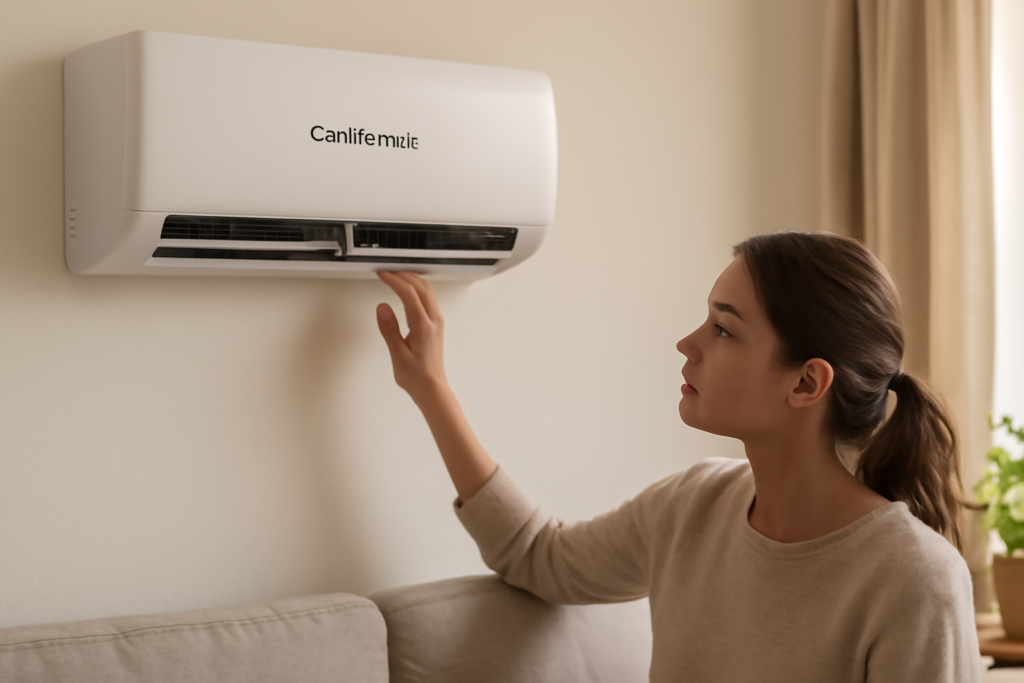
Shop for an affordable ductless system and you will quickly run into a value brand sold heavily through online marketplaces. The Confortotal mini split shows up at prices well below name-brand competitors, which raises the obvious question: is it a smart bargain or a false economy? This guide takes an honest look at the Confortotal mini split, what you get, the realities of installation, and who it suits.
- What Is Confortotal?
- Typical Specs and Sizes
- The Price Appeal
- The Installation Reality
- Warranty and Support Considerations
- Pros and Cons
- How It Compares
- Tips If You Buy One
- Understanding the Total Cost of Ownership
- DIY Mini Splits and Why to Be Cautious
- Who Should and Should Not Buy One
- Quick Answers to Common Questions
- The Bottom Line
What Is Confortotal?
Confortotal is a budget-focused HVAC brand that sells ductless mini split heat pumps directly to consumers, largely through online retailers. The systems follow the standard mini split formula: an outdoor condenser, one indoor wall-mounted air handler, and the refrigerant line set that connects them. The appeal is straightforward: the sticker price often undercuts established brands by a wide margin, making ductless heating and cooling accessible to budget-conscious buyers.
Typical Specs and Sizes
Confortotal units come in the usual capacity range, so you can size one to your room:
- 12,000 BTU (1 ton): roughly 450-550 sq ft
- 18,000 BTU (1.5 ton): roughly 700-1,000 sq ft
- 24,000 BTU (2 ton): roughly 1,000-1,300 sq ft
Most are heat pumps that both cool and heat, run on 208/240V, and use inverter-style compressors with SEER ratings in the moderate range. As with any mini split, size by square footage (about 20-25 BTU per square foot) and avoid oversizing, which hurts humidity control.
The Price Appeal
The headline reason people consider Confortotal is cost. A unit can sell for hundreds less than a comparable-capacity system from a premium manufacturer. For a homeowner cooling a garage, workshop, sunroom, or single room on a tight budget, that gap is tempting. But the purchase price is only part of the total cost, and that is where buyers need to look closely.
The Installation Reality
This is the most important thing to understand before buying any budget mini split. Whether the unit is cheap or premium, a standard mini split requires professional installation:
- Refrigerant work is regulated. Connecting the line set, evacuating it with a vacuum pump, and charging the system legally require an EPA Section 608-certified technician.
- Electrical work. The unit needs a dedicated 208/240V circuit and an outdoor disconnect, which a licensed electrician should install.
- Proper vacuum and charge. Skipping the vacuum step leaves moisture in the lines that will damage the compressor over time.
Factor in $1,000-$2,500 or more for professional installation on top of the equipment price. Once you add that, the gap between a budget brand and a mainstream one narrows considerably.
Warranty and Support Considerations
Budget online brands often differ from established manufacturers in ways that matter after the sale:
- Warranty terms may be shorter or harder to claim than the long compressor warranties on premium brands.
- Parts availability can be limited. If a control board or compressor fails, sourcing a replacement for a lesser-known brand may take longer.
- Local HVAC support is a real factor. Some technicians are reluctant to install or service equipment they did not supply, and warranties may require professional installation to remain valid.
Before buying, read the actual warranty document and confirm you can get parts and service in your area.
Pros and Cons
Advantages:
- Low upfront equipment cost
- Standard mini split design and connections
- Available in common BTU sizes for most rooms
- Provides both heating and cooling in one system
Considerations:
- Still requires professional, EPA-certified installation
- Warranty and parts support may be weaker than name brands
- Some local HVAC companies may decline to install owner-supplied units
- Long-term reliability track record is less established
How It Compares
Premium brands cost more upfront but typically offer higher SEER ratings, longer and better-supported warranties, wide parts availability, and a strong reliability record. A budget brand like Confortotal makes the most sense for secondary spaces where the consequences of a failure are lower, such as a garage, workshop, or spare room, rather than as the sole source of heat in a cold-climate home. For a primary living space you rely on year-round, the extra cost of an established brand often buys real peace of mind.
Tips If You Buy One
If a Confortotal unit fits your budget and needs, protect yourself:
- Line up a licensed, EPA-certified installer before you buy, and confirm they will install an owner-supplied unit.
- Read the warranty and check what installation documentation it requires.
- Size the unit correctly for the room to avoid short cycling.
- Keep receipts and installation records for any future warranty claim.
- Maintain it like any mini split: clean filters regularly, keep the outdoor coil clear, and run fan mode to dry the interior.
Understanding the Total Cost of Ownership
The sticker price is only the first number. To judge whether a budget mini split truly saves money, add up the full picture:
- Equipment: the low upfront cost that draws buyers in.
- Professional installation: $1,000-$2,500+ for the line-set connection, vacuum, charge, mounting, and electrical.
- Dedicated circuit: if one does not exist, an electrician’s fee to run 208/240V and install a disconnect.
- Operating cost: a lower SEER rating means higher electric bills every year compared with a high-efficiency name brand.
- Potential repairs: weaker warranty support and harder parts sourcing can mean higher out-of-pocket costs if something fails.
Once installation and running costs are included, the gap between budget and mainstream brands often shrinks, which is why it pays to compare total cost, not just the price tag.
DIY Mini Splits and Why to Be Cautious
Some budget brands market “DIY-friendly” kits with pre-charged quick-connect line sets that promise to skip the certified technician. These exist and can work, but proceed carefully. Even a pre-charged system benefits from proper electrical work on a dedicated circuit, correct line-set routing without kinks, and careful handling to avoid leaks at the connections. If a DIY unit ever needs to be opened, recharged, or repaired, you are back to needing an EPA-certified technician. And many manufacturers still require professional installation to keep the warranty valid. For a low-stakes garage or workshop, a DIY kit may be reasonable for a handy owner; for a primary living space, professional installation remains the safer path.
Who Should and Should Not Buy One
A budget mini split fits some buyers well and others poorly:
- Good fit: owners cooling or heating a garage, workshop, sunroom, or spare room where a failure would be an inconvenience, not an emergency, and who have confirmed local service and parts.
- Poor fit: those relying on it as the sole heat source in a cold climate, or anyone who cannot line up a willing installer or verify warranty support.
Matching the brand’s risk profile to the stakes of the space is the smartest way to decide.
Quick Answers to Common Questions
Is Confortotal a good brand? It is a budget option with a low equipment price that suits secondary spaces like garages, workshops, and spare rooms. For a home’s primary heat and cooling, an established brand with stronger warranty and parts support is the safer bet.
Can I install it myself? Standard units still require an EPA Section 608-certified technician to connect and charge the refrigerant line set, plus a dedicated 208/240V circuit. DIY pre-charged kits exist but demand careful work and may affect the warranty.
What is the real cost? Add $1,000-$2,500+ for professional installation to the equipment price. Once installed, the gap with mainstream brands narrows.
Will a local HVAC company install it? Some decline to install owner-supplied units, so line up a willing, certified installer before you buy.
The Bottom Line
The Confortotal mini split is a budget ductless system that can deliver real savings on equipment cost, especially for garages, workshops, and secondary rooms. Just remember that the low price does not remove the need for professional, EPA-certified installation, and that warranty and parts support may not match established brands. Add the real installed cost, confirm local service and parts, and it can be a sensible choice for the right, lower-stakes application, while a name brand remains the safer bet for a home’s primary comfort.