Mini split heating and cooling has become the go-to solution for additions, older homes without ducts, garages, and anyone who wants efficient room-by-room comfort. A single ductless system both heats and cools, replacing window units, space heaters, and sometimes an entire furnace. Understanding how mini split heating and cooling works, how to size it, and what it costs will help you decide if ductless is right for your home.
- How a Mini Split Heats and Cools
- The Inverter Advantage
- Single-Zone vs. Multi-Zone Systems
- Indoor Unit Styles
- Sizing: Getting the BTUs Right
- Efficiency: SEER2 and HSPF2
- Cold-Climate Heating
- What It Costs to Install
- Installation and Electrical Needs
- Mini Split vs. Central Air and Window Units
- Where Mini Splits Shine
- Running Costs and Smart Operation
- Maintenance
- Rebates and Tax Credits
- The Bottom Line
How a Mini Split Heats and Cools
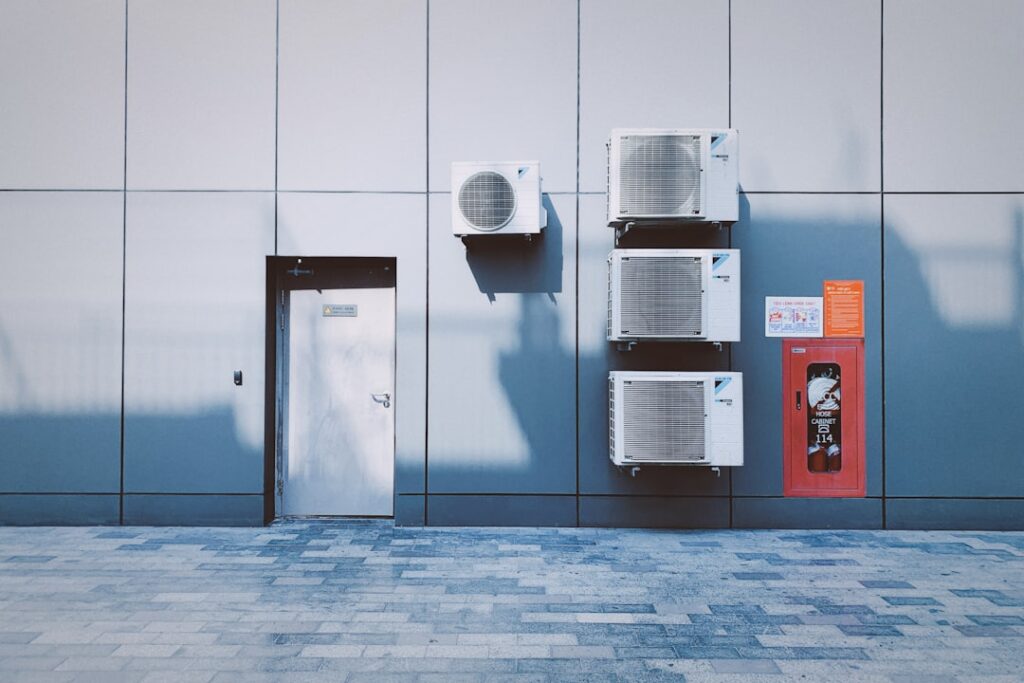
A mini split is a ductless heat pump with two main parts: an outdoor compressor/condenser unit and one or more indoor air handlers, connected by a slim refrigerant line set that runs through a small hole in the wall. In cooling mode, it pulls heat from inside and dumps it outdoors, like an air conditioner. In heating mode, it reverses, pulling heat from outdoor air, even cold air, and delivering it inside.
Because there are no ducts, there’s no duct loss, which typically wastes 20 to 30 percent of energy in a central system. That efficiency, combined with variable-speed inverter compressors, is why mini splits are among the most efficient HVAC systems you can buy.
The Inverter Advantage
Traditional AC and heat pumps run at full power then shut off, cycling repeatedly. Mini splits use inverter compressors that continuously modulate speed to match the exact heating or cooling demand. This keeps room temperature rock-steady, avoids the on-off blasts of older systems, dehumidifies better, and saves significant energy. It also makes them very quiet, since the unit rarely runs at full speed.
Single-Zone vs. Multi-Zone Systems
You have two basic configurations to choose from.
- Single-zone: one outdoor unit paired with one indoor head. Perfect for a single room, a garage, an addition, or an open living space.
- Multi-zone: one outdoor unit feeding two to eight indoor heads, each independently controlled. Great for conditioning a whole home or several rooms without ducts.
Multi-zone systems let each family member set their own room temperature and are ideal for homes where some rooms run hot or cold. Each additional head adds cost, and the outdoor unit’s total capacity is shared, so proper design matters.
Indoor Unit Styles
Indoor heads come in several mounting styles to fit different rooms.
- Wall-mounted: the most common and affordable, mounted high on a wall.
- Ceiling cassette: recessed into a drop ceiling for a clean look with four-way airflow.
- Floor-mounted: sits low on the wall, good where wall space is limited or for easier heating.
- Ducted (concealed): a short-run air handler hidden in a ceiling or closet, feeding a few registers for a more traditional appearance.
Sizing: Getting the BTUs Right
Correct sizing is the single most important factor in performance. Mini splits are rated in BTU, from about 9,000 (0.75 ton) for a bedroom up to 36,000-plus (3 ton) for large spaces. A rough guide is 20 BTU per square foot, but a proper Manual J load calculation accounts for insulation, windows, ceiling height, climate, and sun exposure.
Avoid oversizing. A too-large unit short-cycles, cooling quickly then shutting off, which leaves humidity high and wastes the inverter’s efficiency. A right-sized unit runs longer at low speed, dehumidifying and holding temperature steadily.
Efficiency: SEER2 and HSPF2
Cooling efficiency is rated in SEER2 and heating in HSPF2; higher is better. Quality mini splits run 18 to 22-plus SEER2, well above older central systems. High efficiency lowers your bills, especially if the system runs year-round, and often qualifies for federal tax credits and utility rebates on heat pumps.
Cold-Climate Heating
Modern mini splits heat effectively far below freezing. Standard units work down to around 5°F, while cold-climate (hyper-heat) models deliver useful heat at -13°F or colder. If you want the mini split as your primary heat source in a northern climate, choose a cold-climate rated model and check its heating capacity at your design temperature, since output drops as it gets colder. Many homeowners use one as primary heat with existing heating as backup for the coldest days.
What It Costs to Install
- Single-zone, installed: $3,000 to $6,000 depending on size and brand.
- Multi-zone, installed: $6,000 to $15,000 depending on the number of heads.
DIY-friendly kits like MRCOOL cost less upfront but professional installation is strongly recommended for reliability and warranty. Tax credits and utility rebates on efficient heat pumps can cut thousands from the net price.
Installation and Electrical Needs
A mini split needs a dedicated circuit at the proper voltage, typically 208/240V for larger units, and a disconnect at the outdoor unit. The refrigerant line set must be installed, evacuated with a vacuum pump, and charged by an EPA-608 certified technician, since refrigerant is federally regulated. Proper charging is essential; a poorly charged or leaky system loses efficiency and can damage the compressor. Choose an experienced installer over the cheapest bid.
Mini Split vs. Central Air and Window Units
Understanding the alternatives clarifies where mini splits fit. Compared with central forced-air, mini splits skip the ductwork, avoiding the 20 to 30 percent energy that ducts lose and eliminating the cost of installing or repairing duct runs, though central air can be cheaper to install in a home that already has good ducts. Compared with window units, a mini split is far quieter, more efficient, doesn’t block a window, doesn’t leak air around the frame, and both heats and cools. The tradeoff is upfront cost: a window AC costs a couple hundred dollars, while a single-zone mini split runs several thousand installed. Over its 15-to-20-year life, though, the mini split’s efficiency and dual heating-cooling function often make it the better value.
Where Mini Splits Shine
Certain situations make a mini split the obvious answer. Home additions and finished attics or basements, where extending existing ductwork would be expensive or impossible, are ideal. Older homes with no ducts at all, especially those heated by boilers or baseboard, can add efficient cooling and supplemental heat without tearing open walls. Garages, workshops, sunrooms, and home offices that the main system doesn’t reach are perfect single-zone candidates. And any home with rooms that run consistently too hot or too cold benefits from the room-by-room control a multi-zone system provides.
Running Costs and Smart Operation
To get the lowest bills, run a mini split continuously at a steady setpoint rather than switching it off and on. The inverter compressor sips power at low speed to hold temperature, which uses less energy than letting the room drift and then running full-blast to recover. Many systems include WiFi control, schedules, and occupancy or “follow-me” sensing that adjusts to where people are. Keeping filters clean and setpoints moderate does more for your energy bill than any single feature.
Maintenance
Mini splits are low-maintenance but not maintenance-free. Wash the indoor filters every few weeks during heavy use to keep airflow and efficiency high. Keep the outdoor unit clear of leaves, debris, and snow. Have a technician check refrigerant charge and clean the coils annually. Well cared for, a mini split lasts 15 to 20 years.
Rebates and Tax Credits
Because mini splits function as heat pumps, they open the door to significant financial incentives. High-efficiency models can qualify for a federal tax credit worth a share of the installed cost up to an annual cap, and many states and utilities add their own rebates that can total hundreds to thousands of dollars per system. These incentives, combined with lower monthly energy bills, meaningfully shorten the payback period on what is admittedly a higher upfront investment than a window unit or space heater. Ask your installer which federal, state, and local incentives your specific model qualifies for, and hold onto the AHRI certificate and receipts, which you’ll need to claim any credits. When you factor in incentives plus years of energy savings, the true cost of a mini split is often far lower than the sticker price implies.
The Bottom Line
Mini split heating and cooling gives you efficient, quiet, ductless comfort with year-round heating and cooling from one system. The keys are correct BTU sizing, choosing single or multi-zone to match your layout, selecting a cold-climate model if winters are harsh, and hiring an EPA-certified installer. Get those right and you’ll enjoy low bills, steady temperatures, and room-by-room control for two decades, often while qualifying for generous rebates and tax credits.