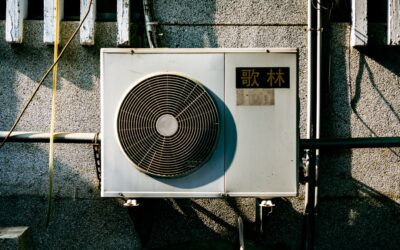
Homeowners shopping for a quiet, efficient way to heat and cool an addition, garage, or whole house keep landing on the same American brand, and for good reason. A Friedrich mini split pairs a long US track record in room air conditioning with a modern ductless lineup that competes on efficiency with the Japanese heavyweights. Friedrich has been building cooling equipment in San Antonio, Texas since 1883, and that legacy shows up in how the ductless line is engineered and supported.
Below are the actual product families, the numbers that matter, what installation runs in the real world, and where Friedrich fits against Mitsubishi and Daikin, with a focus on where the marketing ends and the practical value begins.
- What Friedrich Actually Sells
- The Numbers That Matter: SEER2, HSPF2, and Heating
- What a Friedrich Mini Split Costs Installed
- Warranty and Why the Brand Reputation Helps
- Friedrich vs. Mitsubishi and Daikin
- Sizing and Installation: Getting It Right
- Real-World Energy Savings
- Common Problems and How to Prevent Them
- Who Should Buy One, and Common Mistakes to Avoid
What Friedrich Actually Sells
The flagship ductless line is the Floating Air series, sold under model codes like FPHFR, FPHFW, and FPHSR depending on whether you want the premium, wall, or slim configuration. These are the wall-mounted indoor heads most people picture when they think of a mini split. Friedrich builds them as single-zone systems, where one outdoor condenser feeds one indoor head, and multi-zone systems, where a single outdoor unit runs two, three, four, or five heads.
Capacities span the usual ductless range. Single-zone heads start around 9,000 BTU for a bedroom or home office and climb through 12,000, 18,000, and 24,000 BTU. Larger multi-zone condensers reach 36,000 BTU total and can be split across several rooms. Beyond the wall heads, Friedrich offers ducted air handlers and ceiling cassettes for people who want the equipment hidden, though those are less common in retrofit work.
The Numbers That Matter: SEER2, HSPF2, and Heating
Efficiency is where the Floating Air line earns its keep. Top single-zone models hit a SEER2 rating in the low 30s, with some configurations advertised close to 33 SEER2 for cooling. That puts Friedrich in genuine premium territory, since most builder-grade central systems land between 14 and 16 SEER2.
Heating performance matters just as much if you’re using the system through winter. Better Friedrich heat pumps carry an HSPF2 in the 10 to 11 range and hold usable output down into the low teens Fahrenheit, with hyper-heat style models pushing lower. A quick reality check on what those specs buy you:
- SEER2 in the low 30s can cut cooling energy use by 40 to 50 percent versus an old window shaker or a 13 SEER central unit.
- HSPF2 near 11 means the heat pump often beats resistance electric heat and, in mild climates, even natural gas on operating cost.
- Inverter compressors ramp up and down instead of cycling on and off, which is why a well-sized head holds a room within a degree of setpoint and runs whisper-quiet at 19 to 25 decibels on low fan.
What a Friedrich Mini Split Costs Installed
Equipment alone is only part of the picture, so budget for the full installed price rather than the bare box price online. For a single-zone Friedrich system installed by a licensed HVAC contractor, expect roughly $3,500 to $6,000 depending on capacity, line-set length, and electrical work.
Here’s how that typically breaks down for a 12,000 to 18,000 BTU single-zone job:
- Equipment (condenser plus one head): $1,600 to $2,800
- Line set, mounting bracket, wall sleeve, and condensate handling: $250 to $500
- Electrical: a dedicated 208/240V circuit, disconnect, and whip usually adds $400 to $900
- Labor: a clean one-day install runs $1,000 to $1,800 in most markets
Multi-zone systems climb fast. A three-head setup covering a small house often lands between $8,000 and $13,000 installed. Pull permits and get at least two quotes, because labor rates and how a contractor prices refrigerant work vary widely by region.
Warranty and Why the Brand Reputation Helps
Friedrich backs the ductless line with a strong warranty, generally 10 years on the compressor and 5 to 7 years on parts when the system is installed by a qualified contractor and registered on time. Miss the registration window and coverage can drop, so send the paperwork in within 60 days of install.
Being a long-standing US company pays off in two practical ways. Parts and technical support run through domestic distribution, so a warranty compressor or control board tends to show up faster than with a boutique importer. And because Friedrich has a real dealer and service network, you’re more likely to find a local tech who will actually work on the equipment rather than shrug at an unfamiliar nameplate.
Friedrich vs. Mitsubishi and Daikin
No honest guide skips the comparison, because Mitsubishi and Daikin dominate the premium ductless conversation. Here’s a straight comparison of all three.
Mitsubishi’s Hyper-Heat systems still set the bar for cold-climate heating, holding rated capacity to lower outdoor temperatures than most competitors. If you live in Minnesota or Maine and want a mini split to carry the winter, Mitsubishi earns the premium. Daikin sits close behind with a broad lineup and aggressive pricing, and its FIT and Aurora lines are popular with contractors.
Friedrich competes hard on efficiency and often undercuts both on equipment cost while matching the SEER2 spec. Where it trails is contractor mindshare in some regions, so you may have fewer installers who quote it by default. A practical rule: in a moderate climate where cooling load drives the decision, Friedrich is an excellent value. In a brutal northern winter, price out a Mitsubishi Hyper-Heat before committing.
Sizing and Installation: Getting It Right
Nothing sinks a ductless install faster than bad sizing, and Friedrich equipment is no exception. The industry rule of thumb starts around 20 to 30 BTU per square foot, but that’s a starting point, not a final answer. A well-insulated 400-square-foot bedroom might need only a 9,000 BTU head, while a sun-drenched 500-square-foot great room with cathedral ceilings and west-facing glass could demand 18,000 BTU. Insist your contractor run a proper Manual J load calculation that accounts for insulation, window area, ceiling height, and local design temperatures.
A clean single-zone install is usually a one-day job for a two-person crew. The outdoor condenser sits on a ground pad or wall bracket, the indoor head mounts high on an exterior wall, and a 3-inch penetration carries the line set, control wire, and condensate drain between them. Friedrich supports line-set runs up to roughly 50 to 65 feet on many models, with height differences of 30 feet or more between units, but longer runs need added refrigerant and can trim capacity, so keep the path as short and direct as practical. Proper vacuum evacuation to 500 microns and a correct refrigerant charge are non-negotiable for hitting the rated SEER2.
Real-World Energy Savings
The efficiency numbers translate into dollars, and it helps to see them concretely. Say you’re cooling a 600-square-foot space in a hot climate for six months a year, replacing two window units that pull about 2,000 kWh over the season. A low-30s SEER2 Friedrich head handling the same load might use 1,000 to 1,100 kWh instead. At an average US electricity rate around 16 to 17 cents per kWh, that’s a savings of roughly $150 to $170 per cooling season, and more if your rates run higher.
On the heating side, an HSPF2 near 11 means the heat pump delivers about three units of heat for every unit of electricity in mild weather. Compared to baseboard resistance heat, that can cut winter heating costs 50 to 60 percent. Layer in a possible federal energy-efficient home improvement tax credit and any local utility rebate, and a qualifying Friedrich system can shave hundreds off both the install and the annual operating cost.
Common Problems and How to Prevent Them
Ductless systems are reliable, but a few issues show up again and again, and most are preventable:
- Refrigerant leaks at the flare fittings. The number one service call. A properly torqued flare with the right flaring tool almost never leaks; a rushed hand-tightened one does. This is a pure install-quality issue.
- Clogged condensate drains. A blocked drain line causes water to drip from the indoor head onto your wall. Keep the line clear and pitched correctly, and add a condensate pump if gravity drainage isn’t clean.
- Dirty coils and filters. The most common cause of weak airflow and rising energy bills. Wash the filters monthly and rinse the outdoor coil each season.
- Frozen outdoor coil in winter. Some frosting is normal and the unit runs a defrost cycle, but constant icing points to a charge problem or airflow blockage that a tech should diagnose.
Who Should Buy One, and Common Mistakes to Avoid
A Friedrich makes the most sense for a homeowner adding conditioning to a space with no ductwork, a garage conversion, a bonus room over the garage, a sunroom, or a whole house going ductless. It’s a smart pick if you value an established US brand with a real warranty and don’t want to pay the top-of-market Mitsubishi premium.
The most common mistakes:
- Oversizing. Bigger is not better with inverters. An oversized head short-cycles, never reaches steady state, and leaves the room humid. Get a Manual J load calculation instead of guessing.
- Skipping the pro install to save money. Refrigerant charging, vacuum evacuation, and torque specs on flare fittings all affect efficiency and warranty. A sloppy DIY charge can knock 20 percent off performance.
- Neglecting maintenance. Clean or wash the indoor filters monthly, keep the outdoor coil clear of leaves and grass clippings, and have the system professionally checked every year or two to protect the compressor.
- Ignoring line-set length limits. Long runs and big elevation changes need more refrigerant and can cut capacity, so route the line set thoughtfully.
Handled right, a Friedrich mini split delivers quiet, efficient comfort for 15 to 20 years with basic upkeep. For most US homeowners weighing value against a name-brand warranty, it belongs on the shortlist alongside the usual imports, and in warm and moderate climates it frequently wins on price without giving up real performance.