Ductless systems have made whole-room heating and cooling affordable, and one manufacturer has become a value leader in the space. A Midea mini split offers efficient inverter-driven heating and cooling at a competitive price, making it a popular choice for additions, garages, and whole-home comfort. This guide covers the key model lines, efficiency, sizing, costs, and how Midea stacks up.
- Who Makes Midea
- How a Mini Split Works
- Popular Midea Model Lines
- Efficiency Ratings
- Sizing Your System
- Typical Costs
- DIY vs Professional Installation
- Warranty Considerations
- How Midea Compares
- Installation Timeline and Process
- Common Buyer Questions
- Maintenance Basics
- Cold-Climate Heating Performance
- Wi-Fi and Smart Controls
- Noise Levels and Comfort
- Rebates and Tax Credits
- Final Takeaway
Who Makes Midea
Midea is one of the world’s largest appliance and HVAC manufacturers, producing not only its own branded systems but also components for many other well-known HVAC brands. That manufacturing scale is why Midea can offer capable equipment at lower prices than some premium competitors. In the U.S., Midea mini splits are sold both under the Midea name and through affiliated brands.
How a Mini Split Works
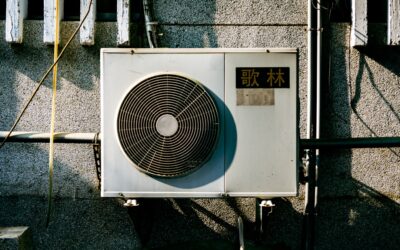
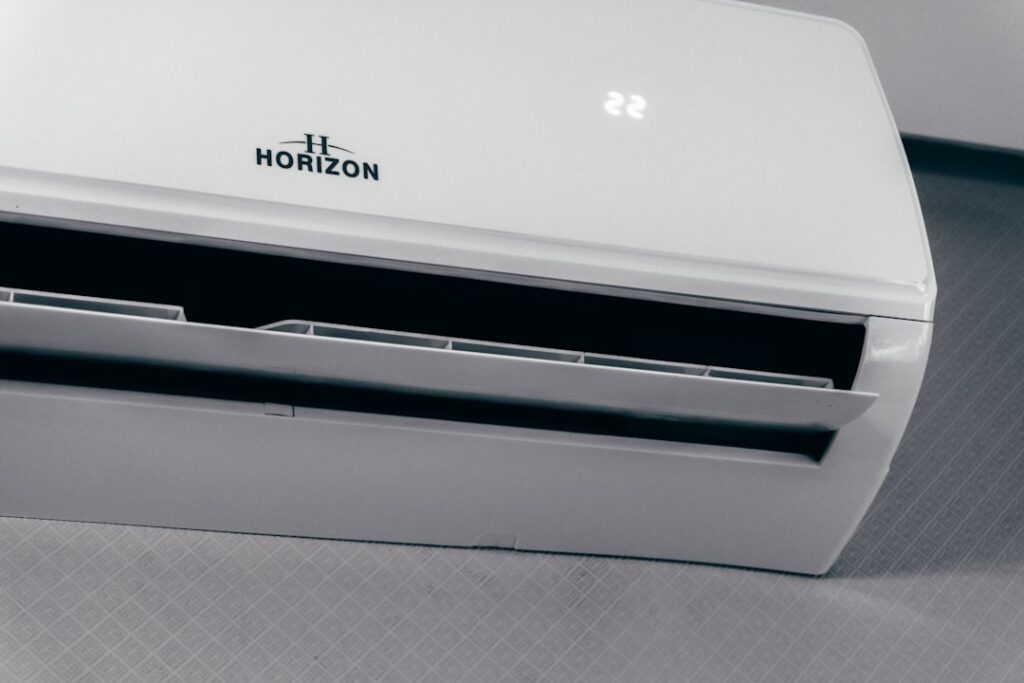
A ductless mini split pairs an outdoor condenser with one or more indoor units connected by refrigerant lines through a small wall penetration. Inverter-driven compressors ramp up and down to match demand rather than cycling fully on and off, which saves energy and holds steadier temperatures. Each indoor unit heats and cools its zone independently, so you only condition the rooms you use.
Popular Midea Model Lines
- Midea EVOX and Premier series: High-efficiency single-zone systems with strong SEER2 ratings and cold-climate heating options.
- Midea Aire and value single-zone units: Budget-friendly options common for garages, additions, and single rooms.
- Multi-zone systems: One outdoor unit serving two to five indoor heads for whole-home coverage.
- Universal and ducted air handlers: Concealed options for homes wanting hidden equipment.
Efficiency Ratings
Efficiency is measured by SEER2 for cooling and HSPF2 for heating. Midea mini splits commonly range from about 19 to 22+ SEER2, which is efficient enough to qualify many models for utility rebates and federal tax credits. Higher SEER2 means lower operating cost. For heating in cold climates, look for models rated for low-temperature performance, often down to minus 5 or minus 13 F.
Sizing Your System
Correct sizing is critical; an oversized unit short-cycles and fails to dehumidify, while an undersized one struggles.
- A rough rule is 20 BTU per square foot, so a 500-square-foot room needs roughly 10,000 to 12,000 BTU (one ton)
- Common single-zone capacities are 9,000, 12,000, 18,000, 24,000, and 36,000 BTU
- Adjust for ceiling height, sun exposure, insulation, and climate
For accuracy, have an installer perform a Manual J load calculation rather than guessing.
Typical Costs
Midea’s pricing is a major draw. Single-zone equipment often runs $700 to $2,000 depending on capacity and efficiency, and DIY-style pre-charged kits are available at the lower end. Professional installation typically adds $1,500 to $4,000 per zone. A multi-zone whole-home system installed can range from $6,000 to $15,000. Midea generally undercuts premium brands like Mitsubishi and Daikin on upfront cost.
DIY vs Professional Installation
Some Midea-affiliated systems come as pre-charged DIY kits with quick-connect line sets, appealing to handy homeowners. However, refrigerant handling and electrical work carry real requirements.
- DIY kits avoid vacuuming and charging but still require proper electrical, mounting, and sealing
- Standard systems require a technician to pull a vacuum and verify the refrigerant charge
- Under EPA-608 rules, handling refrigerant in non-precharged systems requires certification
For most homeowners, professional installation ensures warranty coverage and correct operation.
Warranty Considerations
Midea typically offers multi-year warranties on parts and the compressor, often around 5 to 7 years, though terms vary by model and seller. Warranty coverage frequently requires professional installation and registration, so a DIY install may reduce coverage. Read the specific warranty for your model and keep your installation and registration records.
How Midea Compares
Against premium brands, Midea trades a bit of long-term track record and dealer network depth for a lower price. Mitsubishi and Daikin have deeper cold-climate reputations and extensive contractor support, while Midea delivers strong efficiency and features at a value price. For budget-conscious projects, garages, and additions, Midea is a compelling choice; for a critical whole-home cold-climate system, weigh the support network too.
Installation Timeline and Process
A typical single-zone Midea installation takes a professional crew most of a day, while multi-zone systems can take two to three days. The process involves mounting the indoor head on an interior wall, drilling a three-inch penetration for the line set, mounting the outdoor condenser on a pad or bracket, running and connecting the refrigerant lines and electrical, then pulling a vacuum to remove air and moisture before releasing the refrigerant charge. The vacuum step is critical; skipping it leaves moisture that damages the compressor over time. A quality installer also pressure-tests for leaks and verifies the charge, steps that protect both performance and the warranty.
Common Buyer Questions
Prospective buyers usually raise a few practical concerns. Will one outdoor unit heat and cool a whole house? A multi-zone system can, but each room needs its own indoor head, and the outdoor unit must be sized for the combined load. Can it run in very cold weather? Only cold-climate models maintain strong output below freezing, so check the low-temperature rating. Is DIY realistic? Pre-charged kits make it possible for handy owners, but standard systems require certified refrigerant handling. Answering these before purchase prevents the disappointment of an undersized system or a voided warranty.
Maintenance Basics
Mini splits are low-maintenance but not maintenance-free.
- Clean the washable indoor filters every few weeks during heavy use
- Keep the outdoor unit clear of leaves, snow, and debris
- Have a technician check refrigerant and clean the coils periodically
- Watch for reduced airflow or odors, which signal a dirty coil or filter
Cold-Climate Heating Performance
If you rely on a mini split for winter heat, cold-climate capability is critical. Standard Midea models heat effectively down to around 5 degrees Fahrenheit, while hyper-heating cold-climate versions continue producing usable heat well below zero, some rated to minus 13 or lower. Heating capacity always falls as the outdoor temperature drops, so a unit rated for 12,000 BTU at 47 degrees may deliver noticeably less at zero. In northern climates, choose a cold-climate model and consider sizing up or keeping backup heat for the coldest nights.
Wi-Fi and Smart Controls
Many Midea systems include or support Wi-Fi control through a smartphone app, letting you adjust temperature, mode, and schedules remotely and integrate with voice assistants. This is convenient for pre-conditioning a room before you arrive or turning down an unused zone from another room. Some models include the Wi-Fi module built in, while others require an inexpensive add-on adapter. If smart control matters to you, confirm whether the module is included or sold separately for your chosen model.
Noise Levels and Comfort
One underrated advantage of mini splits is quiet operation. Midea indoor units typically run between about 25 and 45 decibels, quieter than a refrigerator on low fan speeds, so they rarely disturb sleep or conversation. The inverter compressor also avoids the loud on-off cycling of window units and older central systems. Outdoor units are louder but still modest. For bedrooms and offices, the low indoor sound level is a meaningful comfort benefit over window air conditioners.
Rebates and Tax Credits
High-efficiency Midea models can qualify for financial incentives that reduce the net cost. Many utilities offer rebates for heat pumps meeting efficiency thresholds, and federal tax credits have covered a percentage of the cost of qualifying systems up to an annual cap. To qualify, the specific model must meet the required SEER2 and HSPF2 ratings and often must be professionally installed. Check your local utility program and consult a tax professional to confirm which incentives apply before purchasing.
Final Takeaway
A Midea mini split delivers efficient, inverter-driven heating and cooling at a price that undercuts premium brands, making it a smart pick for additions, garages, and whole-home zoning. Size the system correctly, choose a model with the right SEER2 and cold-climate rating for your area, and weigh DIY kits against professional installation and warranty terms. Matched to your space and installed properly, a Midea system offers efficient comfort and solid value.