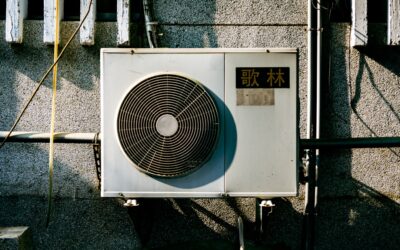
Many people know ductless systems for cooling, but their heating ability is what makes them a year-round upgrade. A mini split heater uses heat-pump technology to warm your home efficiently, often at a fraction of the cost of electric baseboard or propane heat. This guide explains how the heating works, cold-climate performance, running costs, sizing, and when a mini split makes sense as a heat source.
- How a Mini Split Heats
- Efficiency in Real Numbers
- Cold-Climate Performance
- Running Costs
- Defrost Cycles Are Normal
- Sizing for Heating
- Single-Zone vs Whole-Home Heating
- Comparing to Other Heat Sources
- Installation and Safety
- Sizing a Multi-Zone Heating System
- Humidity and Comfort in Heating Mode
- Maintenance for Heating Season
- Backup Heat Strategies
- Positioning for Even Heat
- Protecting the Outdoor Unit in Winter
- Comparing Operating Costs by Fuel
- Final Takeaway
How a Mini Split Heats
A mini split is a heat pump, and in heating mode it reverses the refrigeration cycle to pull heat from outdoor air and move it inside, even when it is cold out. Because it moves heat rather than generating it by burning fuel or running resistance elements, it delivers two to four units of heat energy for every unit of electricity. That efficiency is why heat pumps cost far less to run than baseboard heaters.
Efficiency in Real Numbers
Heating efficiency is rated by HSPF2 and by coefficient of performance (COP). A mini split with a COP of 3 delivers three times more heat than the electricity it consumes, compared with a COP of 1 for electric resistance heat. In practical terms, replacing electric baseboard with a mini split can cut heating electricity use by 50 percent or more, though savings depend on climate and rates.
Cold-Climate Performance
Older heat pumps struggled in deep cold, but modern cold-climate mini splits have changed that.
- Standard models heat effectively down to about 5 F
- Cold-climate (hyper-heat) models keep producing heat at minus 5 to minus 13 F, some rating output down to minus 22 F
- Capacity drops as temperature falls, so cold-climate homes should size generously or keep backup heat
If you live where winters routinely drop below zero, choose a model specifically rated for low-temperature heating.
Running Costs
Operating cost depends on your electric rate, climate, and how much you heat. As a rough guide, a mini split heating a single room costs a few dollars a day in moderate winter weather, and typically less than electric baseboard or propane for the same comfort. In very cold weather the efficiency drops and cost rises, but a cold-climate unit still generally beats resistance heat. Compare your local electric rate against oil, propane, or gas prices to estimate savings.
Defrost Cycles Are Normal
In cold, damp weather, frost forms on the outdoor coil, so the system periodically runs a defrost cycle, briefly reversing to melt the ice. During defrost, indoor heating pauses for a few minutes and you may see steam rising from the outdoor unit. This is normal operation, not a malfunction, and modern units minimize the comfort impact.
Sizing for Heating
Heating loads differ from cooling loads, and in cold climates heating usually drives the sizing.
- Estimate heating capacity based on your climate zone, insulation, and square footage
- A rough figure is 30 to 40 BTU per square foot in cold climates, less in mild ones
- Remember that capacity falls as outdoor temperature drops, so account for design low temperatures
- Have an installer run a Manual J load calculation for accuracy
Undersizing leaves you cold on the worst nights, so size for your coldest expected conditions or plan backup heat.
Single-Zone vs Whole-Home Heating
A single-zone mini split heater is ideal for warming one room, an addition, a garage, or a chilly space that the central system misses. For whole-home heating, a multi-zone system with several indoor heads, or multiple single-zone units, can replace a furnace entirely. Many homeowners start with one zone to heat their most-used space and expand from there.
Comparing to Other Heat Sources
- vs Electric baseboard: A mini split uses far less electricity for the same heat
- vs Propane or oil: Often cheaper to run and cleaner, with cooling included
- vs Natural gas furnace: Comparable or cheaper depending on rates, and adds efficient cooling
- vs Space heaters: Safer and dramatically more efficient
Installation and Safety
Mini split heaters require professional installation for the refrigerant lines, electrical circuit, and vacuum and charging process. Under EPA-608 regulations, refrigerant handling requires certification. Because there is no combustion, a mini split produces no carbon monoxide indoors, a safety advantage over gas and propane heaters. Keep the outdoor unit elevated on a stand in snowy areas so drifts and ice do not block airflow.
Sizing a Multi-Zone Heating System
Heating a whole house with mini splits requires careful zone planning. Rather than one huge unit, you distribute several indoor heads sized to each room’s heating load, all fed by one or more outdoor condensers. Bedrooms might need 6,000 to 9,000 BTU each, while an open living area could require 12,000 to 18,000 BTU. The outdoor unit must be sized for the combined demand at your design low temperature, remembering that capacity falls in the cold. Oversizing individual heads leads to short-cycling and poor efficiency, so a room-by-room load calculation is essential for a comfortable, efficient whole-home heating system.
Humidity and Comfort in Heating Mode
Unlike combustion heaters that can dry the air, a mini split in heating mode does not add or remove much moisture, which many people find more comfortable through winter. However, very tight, well-sealed homes may still want a separate humidifier for ideal comfort, while damp basements might benefit from the unit’s dehumidifying dry mode in shoulder seasons. Because the heat is gentle and continuous rather than blasting hot then shutting off, rooms stay at a steadier temperature, avoiding the hot-cold swings common with furnaces and space heaters, a comfort advantage many owners notice immediately.
Maintenance for Heating Season
Prepare and maintain the system for winter reliability. Clean the indoor filters regularly since a clogged filter reduces heat output, keep the outdoor unit clear of snow and ice, and ensure the drainage path is not frozen. Have a technician verify the refrigerant charge, because low charge sharply reduces heating capacity.
Backup Heat Strategies
In cold climates, planning for the worst nights protects your comfort. Because heat-pump capacity drops as temperatures fall, some homeowners pair a mini split with a backup source for extreme cold: existing baseboard, a gas furnace, or a plug-in space heater for a single room. Cold-climate hyper-heat models reduce or eliminate the need for backup, but sizing generously is wise. Keeping a modest backup also provides redundancy if the heat pump ever needs service during a cold snap, so you are never left without heat.
Positioning for Even Heat
Where the indoor head is mounted affects heating comfort. Wall-mounted units blow warm air downward, but because heat rises, a high-mounted head in a large or open room can leave floors cool. Floor-mounted console units, which sit near the baseboard, distribute heat more evenly at floor level and are often preferred for primary heating in cold climates. Aim the vane downward in heating mode, and consider a ceiling fan on low to gently push warm air back down in rooms with high ceilings.
Protecting the Outdoor Unit in Winter
The outdoor unit needs care to heat reliably through winter. Mount it on a stand or wall bracket 12 to 18 inches above expected snow depth so drifts do not block airflow, and keep the area clear of ice and snow after storms. Ensure meltwater from defrost cycles can drain away rather than pooling and refreezing under the unit, which can heave it or block the fan. A roof or overhang above the unit helps in heavy-snow regions, but leave clearance for airflow on all sides.
Comparing Operating Costs by Fuel
To estimate savings, compare your local fuel prices. Electric resistance heat costs the most per unit of heat delivered because its efficiency is fixed at 100 percent, while a heat pump delivers 250 to 400 percent. Against oil and propane, which have fluctuated well above natural gas in cost, a mini split usually wins on running cost in most of the country. Natural gas is sometimes cheaper to run, but the heat pump adds cooling and produces no combustion emissions indoors, which factors into the overall value.
Final Takeaway
A mini split heater delivers efficient, ductless heat-pump heating that can slash running costs compared with baseboard, propane, or oil, and modern cold-climate models perform even in subzero weather. Size the system for your coldest conditions, choose a low-temperature-rated model if you face harsh winters, and keep filters and the outdoor unit clear. Installed and maintained properly, a mini split turns efficient heating and cooling into one clean, quiet system.