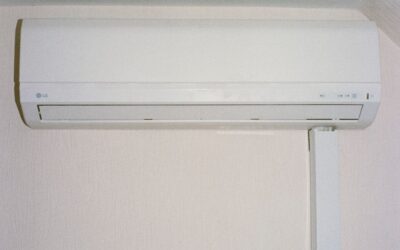
Ductless heat pumps have gone from a niche solution to a mainstream way to heat and cool additions, garages, and whole homes without ductwork. Sorting through mini split reviews can be confusing because brands range from premium Japanese units built to run for two decades to budget imports that undercut them by half. Knowing what actually separates a great mini split from a mediocre one saves you thousands over the system’s life.
This guide distills the key points from countless mini split reviews into what matters: the top brands, how to read efficiency ratings, sizing, real costs, and the pros and cons. By the end you will know which unit fits your space and budget.
How Mini Splits Work
A mini split, or ductless heat pump, has two main parts: an outdoor compressor unit and one or more indoor air-handling heads connected by a small refrigerant line set that passes through a 3-inch hole in the wall. In summer it moves heat out of the house; in winter it reverses and pulls heat from the outside air, even in cold weather, to warm the room.
Because there are no ducts, there is no duct loss, which is why mini splits are so efficient. A single outdoor unit can serve one indoor head or, in a multi-zone setup, several heads in different rooms, each with its own thermostat.
Top Brands Reviewed
Reviews consistently rank a handful of brands at the top for reliability and performance:
- Mitsubishi Electric: The premium benchmark. Excellent cold-climate performance with Hyper-Heat models, quiet operation, and long lifespans. Higher price.
- Daikin: The world’s largest HVAC maker. Reliable, efficient, and widely serviceable, with strong mid-to-high-end options.
- Fujitsu: Strong performer, often slightly less expensive than Mitsubishi with comparable quality and good cold-weather models.
- LG: Good value with solid efficiency and modern features like Wi-Fi control.
- Senville, MRCOOL, and Pioneer: Budget and DIY-friendly brands. MRCOOL’s DIY line uses pre-charged line sets a homeowner can install. Lower cost, shorter track record.
For a critical space you rely on daily, the premium brands justify their cost through longevity and better cold-climate heating. For a garage or workshop, a budget unit can be a smart value.
Understanding SEER and HSPF Ratings
Two numbers tell you how efficient a unit is. SEER2 measures cooling efficiency, and HSPF2 measures heating efficiency. Higher is better for both.
- SEER2 of 15 to 18: solid, efficient baseline
- SEER2 of 20 to 30+: premium efficiency, lower operating cost
- HSPF2 of 8 to 10+: good heating efficiency for cold climates
A higher SEER2 unit costs more upfront but uses less electricity. In a warm climate where you run cooling constantly, the payback on a high-SEER unit is faster. Also look for the ENERGY STAR label and any utility rebates, which can knock hundreds off the price.
Sizing Your Mini Split
Capacity is measured in BTUs. An undersized unit runs constantly and never catches up; an oversized one short-cycles, wasting energy and failing to dehumidify. As a rough starting point, plan about 20 BTU per square foot of conditioned space.
- 150 to 350 sq ft: 9,000 BTU
- 350 to 550 sq ft: 12,000 BTU
- 550 to 800 sq ft: 18,000 BTU
- 800 to 1,200 sq ft: 24,000 to 30,000 BTU
Ceiling height, insulation, sun exposure, and climate all shift these numbers, so a proper Manual J load calculation is worth doing for a whole-home system. For a single room, the table above gets you close.
Cost Breakdown
Mini split pricing spans a wide range depending on brand, capacity, and zones.
- Single-zone budget unit, DIY: $1,000 to $2,000
- Single-zone premium, professionally installed: $3,000 to $5,000
- Multi-zone system (3 to 4 heads): $6,000 to $12,000 installed
- Professional installation labor: $1,000 to $3,000
Professional installation is strongly recommended for most units because it involves refrigerant handling, which legally requires EPA certification, plus vacuuming the lines and verifying the charge. MRCOOL’s DIY line is the exception, using pre-charged quick-connect lines designed for homeowners.
Pros and Cons
Weigh both sides before committing:
- Pros: High efficiency, no ductwork, zone-by-zone control, quiet operation, heating and cooling in one unit, quick installation.
- Cons: Higher upfront cost than window units, the indoor head is visible on the wall, multi-zone systems get expensive, and premium cold-climate performance carries a premium price.
For additions, converted garages, sunrooms, and homes without existing ducts, the pros usually outweigh the cons decisively.
Single-Zone vs Multi-Zone Systems
One of the first decisions is how many indoor heads you need. A single-zone system pairs one outdoor unit with one indoor head and is the most efficient and affordable configuration. It is perfect for conditioning a single room, an addition, a garage, or a bonus space that the central system cannot reach.
A multi-zone system connects one outdoor compressor to two, three, or more indoor heads, each controlled independently. This lets you set different temperatures in different rooms and is a strong choice for whole-home conditioning without ducts. The trade-off is cost and efficiency: multi-zone systems are pricier per zone and slightly less efficient than dedicated single-zone units, because the outdoor unit has to modulate for varying loads. For most homeowners adding comfort to one or two problem rooms, single-zone units are the smarter buy. Reserve multi-zone for genuine whole-home applications.
Maintenance and Cold-Climate Performance
Mini splits are low-maintenance but not no-maintenance. The indoor head’s washable filters should be cleaned every few weeks to keep airflow strong and efficiency high; a clogged filter is the top cause of weak performance. Once a year, clean the indoor coil and blower wheel, clear the condensate drain line, and have a technician check the refrigerant charge and outdoor coil.
Cold-climate performance is where premium brands earn their price. Standard heat pumps lose capacity as temperatures drop, but cold-climate models like Mitsubishi Hyper-Heat and Daikin Aurora are engineered to deliver full or near-full heating capacity down to 5°F and keep working even at minus 13°F. If you rely on a mini split as your primary heat source in a northern climate, that cold-weather rating is the single most important spec to check. In milder regions, a standard-efficiency unit heats reliably and costs less. Match the equipment to your actual winter lows rather than paying for cold-climate performance you will never use, or worse, buying a unit that quits when you need it most.
Which Mini Split Should You Buy
For a primary living space in a cold climate, spend on a Mitsubishi Hyper-Heat or Daikin cold-climate model. For a moderate climate or secondary space, a mid-range LG or Fujitsu offers strong value. For a garage, shop, or a hands-on homeowner, a MRCOOL DIY unit keeps costs down. Match the BTU rating to your square footage, aim for a SEER2 of 18 or higher if you cool a lot, and factor in utility rebates. The mini split reviews all point to the same conclusion: buy the efficiency and cold-climate rating your space actually needs, and you will get quiet, low-cost comfort for 15 to 20 years.
Before you finalize a purchase, check for rebates and tax incentives, because they can meaningfully change the math. Many utilities offer rebates of several hundred dollars for high-efficiency heat pumps, and federal energy-efficiency tax credits have covered a portion of the cost of qualifying ENERGY STAR cold-climate systems. These incentives often make a premium, efficient unit cost about the same out of pocket as a cheaper, less efficient one, so it is worth researching what applies in your area before you sign a contract.
Also weigh the reputation and availability of local service technicians, not just the brand rankings. Even the best mini split needs occasional service, and a widely supported brand like Mitsubishi or Daikin is easier to get parts and qualified help for than an obscure import. When you compare mini split reviews, look past the star ratings to the specifics that matter for your home: the cold-climate heating rating, the correct BTU sizing, the SEER2 efficiency, and whether a certified installer in your region stands behind the unit. Get those right, and a mini split rewards you with quiet, efficient, room-by-room comfort for the better part of two decades.