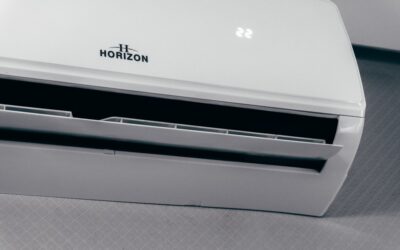
When your window units can’t keep up and ductwork isn’t an option, a ductless heat pump often becomes the answer, and sizing it correctly is everything. A 3 ton mini split system delivers roughly 36,000 BTU of heating and cooling, enough to condition a good-sized home or several rooms at once, but only if it’s matched to your actual space. Oversize it and you’ll waste money and battle humidity; undersize it and it’ll run constantly without ever getting comfortable. This guide explains exactly what a 3-ton system can do, what it costs, and how to know if it’s right for you.
- What "3 Ton" Actually Means
- How Much Space a 3-Ton System Cools
- Single-Zone Versus Multi-Zone
- Efficiency and SEER Ratings
- What a 3-Ton Mini Split Costs
- Installation Considerations
- Is a 3-Ton System Right for You?
- The Danger of Oversizing
- Maintenance to Protect Your Investment
- Heating Performance in Cold Climates
What “3 Ton” Actually Means
The “ton” in HVAC has nothing to do with weight, it’s a measure of cooling capacity. One ton equals 12,000 BTU per hour, the amount of heat needed to melt a ton of ice in a day. So a 3-ton system provides 36,000 BTU of cooling and, in a heat pump, a similar amount of heating capacity.
That capacity makes a 3-ton unit one of the larger residential mini split sizes. It sits above the common 1-to-2-ton units used for single rooms and additions, and it’s built to handle a whole small home or a large open-plan area rather than one bedroom.
How Much Space a 3-Ton System Cools
A rough industry rule allots about 20 BTU per square foot of living space, though climate, insulation, and ceiling height shift that number. At 36,000 BTU, a 3-ton system suits roughly 1,400 to 1,600 square feet under average conditions. Consider these guidelines:
- Well-insulated, moderate climate — can cool up to about 1,500 to 1,800 square feet.
- Average home — comfortably handles 1,400 to 1,600 square feet.
- Hot climate, poor insulation, or high ceilings — may only cover 1,200 to 1,400 square feet.
These are estimates. A proper Manual J load calculation, which a good HVAC contractor performs, accounts for windows, sun exposure, insulation, and local climate to size the system precisely. Don’t rely on square footage alone for a final decision.
Single-Zone Versus Multi-Zone
A 3-ton system comes in two very different configurations, and choosing wrong affects comfort and efficiency. A single-zone setup pairs one outdoor condenser with one large indoor air handler, ideal for a big open space like a great room or a converted warehouse loft. A multi-zone setup connects one 3-ton outdoor unit to several smaller indoor heads, each controlling its own room.
Multi-zone is the popular choice for whole-home comfort because it lets you set different temperatures in bedrooms, living areas, and offices, and turn off zones you’re not using. A 3-ton multi-zone system might feed three, four, or five indoor heads. Just remember that the outdoor unit’s total capacity is shared, so you can’t run every head at full blast simultaneously beyond the 36,000 BTU limit.
Efficiency and SEER Ratings
Mini splits are prized for efficiency, and the SEER2 rating tells you how much cooling you get per unit of electricity. Higher numbers mean lower operating costs. Most quality 3-ton mini splits carry SEER2 ratings from about 16 to 22 or higher, far above old central systems that might sit at 13 or 14.
Because mini splits use inverter-driven compressors that ramp up and down instead of cycling on and off, they hold a steady temperature and sip power at partial loads. Over a hot summer, a high-SEER 3-ton unit can noticeably cut electric bills compared to window units or an aging central system. In heating mode, look at the HSPF2 rating, which measures heat-pump heating efficiency.
What a 3-Ton Mini Split Costs
Budget is a major factor, and prices vary with configuration and brand. Here’s a realistic range:
- Equipment only, single-zone 3-ton — $2,000 to $4,000.
- Equipment only, multi-zone 3-ton — $3,500 to $6,000 depending on the number of heads.
- Professional installation — $1,500 to $4,000 in labor, more for long line sets or difficult mounting.
- Total installed — commonly $5,000 to $10,000 for a complete multi-zone system.
Premium brands like Mitsubishi and Daikin cost more but offer strong warranties and cold-climate performance, while value brands lower the entry price. Federal and utility rebates for high-efficiency heat pumps can offset thousands of dollars, so check current incentives before you buy.
Installation Considerations
A 3-ton system is a substantial installation, and professional work is strongly recommended. The outdoor condenser needs a stable pad or wall bracket with clearance for airflow, and refrigerant line sets, condensate drains, and electrical must be run to each indoor head. Multi-zone systems require careful line routing through walls and ceilings.
Most 3-ton units need a dedicated 208/240-volt circuit, so verify your electrical panel has capacity. While DIY mini split kits exist, charging refrigerant and pulling a vacuum on the lines requires EPA certification and specialized tools, so most homeowners hire a licensed HVAC contractor, which also protects the manufacturer’s warranty.
Is a 3-Ton System Right for You?
Choose a 3-ton mini split when you need to condition roughly 1,400 to 1,600 square feet, whether that’s a whole small home, a large open living space, or several rooms through a multi-zone setup. If your space is smaller, a 1.5 or 2-ton unit will run more efficiently and cost less; if it’s larger, you may need a bigger system or a second unit. Get a professional load calculation, decide between single- and multi-zone based on how you use your rooms, aim for a high SEER2 rating, and factor in rebates. Sized correctly, a 3-ton mini split delivers quiet, efficient, year-round comfort for years to come.
The Danger of Oversizing
It’s tempting to buy the biggest unit you can afford, thinking more capacity guarantees comfort, but oversizing a mini split causes real problems. An oversized system cools the air to temperature too quickly, then shuts down before it has run long enough to pull humidity out of the air. The result is a room that feels cold and clammy rather than crisp and dry, along with short-cycling that wears out the compressor and wastes energy.
Undersizing has the opposite problem: the unit runs nonstop and still can’t keep up on the hottest or coldest days. This is exactly why a Manual J load calculation matters so much, it protects you from both extremes. A right-sized 3-ton system runs longer, gentler cycles that hold a steady temperature, wring out humidity, and sip electricity, which is the whole efficiency advantage mini splits are known for.
Maintenance to Protect Your Investment
A mini split rewards a little upkeep with a long, efficient life, often 15 to 20 years. The most important task is keeping the indoor units’ filters clean. Wash the washable filters every few weeks during heavy use, since clogged filters choke airflow, cut efficiency, and strain the system. Keep the outdoor condenser clear of leaves, grass clippings, and snow so it can breathe.
Beyond DIY care, schedule an annual professional service to keep everything running right:
- Check refrigerant levels and inspect the line set for leaks.
- Clean the indoor coils and blower wheels, which collect dust over time.
- Flush the condensate drain line to prevent clogs and water damage.
- Test electrical connections and verify the system’s performance in both modes.
This modest maintenance keeps your SEER2 efficiency high, prevents costly breakdowns, and ensures your 3-ton system delivers the comfort and energy savings you paid for throughout its full lifespan.
Heating Performance in Cold Climates
Because a mini split is a heat pump, its winter performance deserves a close look if you live somewhere cold. Standard units lose capacity as the temperature drops, but modern cold-climate 3-ton models are engineered to deliver strong heating output even at 5°F or below, and some rate performance down to −13°F. If you plan to heat with the unit through a harsh winter, choose a cold-climate-rated model and check its capacity at low temperatures, not just its nameplate rating.
In milder climates, a standard 3-ton heat pump handles heating and cooling year-round on its own, often replacing both a furnace and an air conditioner. In very cold regions, homeowners sometimes pair the mini split with a backup heat source for the coldest snaps. Either way, the heat-pump efficiency of a mini split typically beats electric resistance heat by a wide margin, making a 3-ton system a genuinely cost-effective way to keep a good-sized home comfortable all winter as well as all summer.