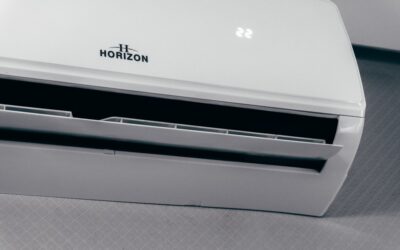
Ductless systems have taken over additions, garages, and whole-home retrofits for one reason: they cool and heat with far less energy waste than a leaky duct system. A 3 ton mini split delivers 36,000 BTU of capacity, which is enough to condition a large open floor plan, a finished basement, or a two-to-three-zone home without ever running ductwork through your walls. Getting the sizing and zone layout right is what separates a system that runs quietly and cheaply from one that short-cycles and struggles. This guide breaks down capacity, efficiency ratings, single versus multi-zone setups, and what installation really costs.
What “3 Ton” Actually Means
In HVAC, a ton is not weight; it is a measure of cooling capacity equal to 12,000 BTU per hour. So a 3 ton mini split moves 36,000 BTU of heat per hour. The term dates back to how much cooling a ton of melting ice provided in a day, and it stuck. On the heating side, a 3 ton heat-pump mini split delivers comparable output, often with strong low-temperature performance thanks to modern inverter compressors.
The key advantage of a mini split over a traditional central system is the inverter-driven compressor, which ramps up and down to match demand instead of blasting full-on and shutting off. That variable-speed operation holds temperatures steadier, runs quieter, and cuts electricity use, especially during the mild shoulder seasons.
How Much Space a 3 Ton System Cools
As a rough planning rule, cooling needs about 20 to 25 BTU per square foot in a typical, reasonably insulated home. That puts a 36,000 BTU system in the range of roughly 1,400 to 1,800 square feet, though the honest answer depends on your climate, insulation, ceiling height, sun exposure, and window count.
- Well-insulated modern home, mild climate: a 3 ton unit may cover up to 1,800 square feet.
- Older home, hot climate, lots of glass: the same unit might only handle 1,300 to 1,500 square feet.
- High ceilings or open lofts: reduce coverage further because you are conditioning more air volume.
Do not size by square footage alone. A proper Manual J load calculation from your installer accounts for the real variables and prevents the two classic mistakes: an oversized unit that short-cycles and never dehumidifies, and an undersized unit that runs flat-out and still cannot keep up.
Understanding SEER2 and Efficiency
Efficiency is rated by SEER2 for cooling and HSPF2 for heating. Higher numbers mean lower operating cost. As of the current federal standards, new mini splits must meet minimum SEER2 levels, and premium models push much higher.
- Entry-level 3 ton mini split: roughly SEER2 16 to 18, lower upfront cost.
- High-efficiency models: SEER2 20 to 24-plus, meaningfully lower electric bills over the system’s life.
- Cold-climate heat pumps: maintain strong heating output down toward 5 degrees Fahrenheit and below, worth the premium in northern states.
A higher SEER2 unit costs more upfront but pays back through lower bills, and in many areas federal tax credits and utility rebates for qualifying high-efficiency heat pumps close much of that gap. Check current incentives before you buy; they can knock hundreds to a couple thousand dollars off a qualifying system.
Single-Zone Versus Multi-Zone
A 3 ton system comes in two very different configurations, and choosing wrong is a common regret. A single-zone setup pairs one 36,000 BTU outdoor condenser with one large indoor air handler, ideal for a big open space like a great room, shop, or open-concept main floor.
A multi-zone setup connects one outdoor unit to several smaller indoor heads, letting you condition separate rooms independently. A 3 ton multi-zone might run a 12,000 BTU head in the living room, a 9,000 BTU head in the primary bedroom, and 9,000 BTU heads in two more bedrooms. Multi-zone gives you room-by-room control and is perfect for whole-home comfort, but each head and line set adds cost, and the total connected capacity of the heads should be matched carefully to the condenser so no single zone starves the others.
What Installation Costs
Mini split pricing spans a wide range depending on efficiency, brand, and how many zones you run.
- Single-zone 3 ton, equipment only: $2,000 to $3,500.
- Multi-zone 3 ton with three to four heads, equipment only: $3,500 to $6,000.
- Professional installation labor: $1,500 to $4,000 depending on zones, line-set runs, and electrical work.
- Complete installed system: commonly $4,500 to $9,000 total.
Installation involves mounting the indoor heads, setting the outdoor condenser on a pad or wall bracket, running refrigerant line sets and a condensate drain, and pulling a dedicated 208/240-volt circuit with a disconnect. Refrigerant work requires an EPA-certified technician, so this is generally not a full DIY job even if you buy a pre-charged kit.
Heating Performance in Cold Weather
One of the biggest misconceptions about mini splits is that they cannot heat a home in a real winter. Modern cold-climate inverter heat pumps have changed that entirely. A quality 3 ton cold-climate model holds usable heating output down to 5 degrees Fahrenheit and below, and many are rated to deliver a meaningful percentage of their capacity even near minus 5 degrees.
The trade-off is that heating capacity drops as the outdoor temperature falls, so a unit that provides a full 36,000 BTU of heat at 47 degrees may deliver noticeably less at 5 degrees. In genuinely frigid northern climates, homeowners often pair a mini split with a backup heat source for the coldest snaps, or size up to account for the capacity loss. Look at the manufacturer’s low-temperature heating chart, not just the nameplate rating, and choose a hyper-heat or cold-climate model if winter heating is a priority. The outdoor unit will periodically enter a defrost cycle to melt frost off its coil, briefly blowing cooler air indoors, which is normal and lasts only a few minutes.
Common Sizing and Layout Mistakes
Because a 3 ton system is a substantial investment, avoiding the classic errors saves both money and comfort. The most frequent mistake is oversizing a single-zone unit for a small space, which causes short-cycling: the compressor satisfies the thermostat quickly, shuts down, and never runs long enough to pull humidity out of the air, leaving the room cool but clammy.
- Oversizing one zone: leads to short cycles, poor dehumidification, and more wear on the compressor.
- Mismatched multi-zone heads: connecting too much total head capacity to the condenser starves individual zones when several run at once.
- Ignoring line-set length limits: long refrigerant runs and big elevation changes between indoor and outdoor units reduce capacity and may need extra charge.
- Poor head placement: mounting a head where furniture or a wall blocks airflow undermines even distribution.
A thorough installer walks the home, runs the load calculation, and places heads for good throw across each space. Paying for that upfront planning is what separates a system that just works from one you constantly fight.
Maintenance and Longevity
Mini splits reward simple upkeep. Wash the indoor head’s reusable filters every two to four weeks during heavy use, since clogged filters choke airflow and drive up bills. Keep the outdoor condenser clear of leaves, grass clippings, and snow, and rinse its coil gently once a year. Every couple of years, have a technician check the refrigerant charge, clean the blower wheel, and clear the condensate line to prevent mold and water backup.
Treated well, a quality inverter mini split lasts 15 to 20 years. The inverter compressor and the refrigerant charge are the components that determine lifespan, so annual professional service on a multi-zone system is money well spent. Set the remote to a steady temperature and let the inverter modulate rather than constantly changing the setpoint, which forces the system to work harder.
Is a 3 Ton Mini Split Right for You
A 3 ton mini split is a strong choice when you need to condition a large space or several rooms efficiently and either lack ductwork or want to avoid the losses ductwork brings. Match single-zone to one big open area and multi-zone to a home where different rooms need independent control. Insist on a Manual J load calculation rather than a square-footage guess, choose the highest SEER2 your budget allows, and claim every rebate available. Do that, and you get quiet, even, zone-by-zone comfort with heating and cooling bills that are markedly lower than the old ducted system it replaces.