
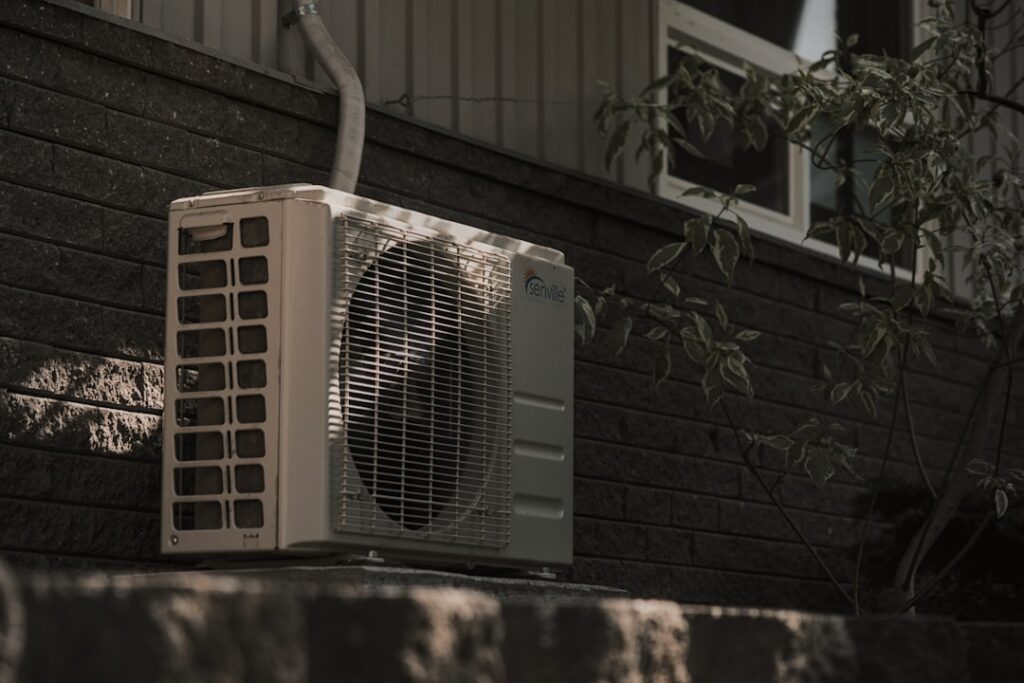
Mini split air conditioners have transformed how people cool homes without ductwork, replacing noisy window units and inefficient central systems with quiet, room-by-room comfort. Whether you’re cooling an addition, a garage, or a whole house, mini split air conditioners offer high efficiency and precise control. This guide explains how they work, how to size them, what they cost, and which brands lead the market.
- How Mini Split AC Works
- The Inverter Advantage
- Sizing: Match BTUs to the Room
- Efficiency: Understanding SEER2
- Single-Zone vs. Multi-Zone
- Indoor Unit Styles
- What Mini Split AC Costs
- Top Brands to Consider
- Installation and Electrical Needs
- Mini Split vs. Window Units and Central AC
- Best Situations for a Mini Split AC
- Running Costs and Smart Operation
- Maintenance
- Rebates and Tax Credits
- The Bottom Line
How Mini Split AC Works
A mini split air conditioner is a ductless system with two parts: an outdoor compressor/condenser and one or more indoor air handlers, joined by a slim refrigerant line set through a small hole in the wall. The indoor unit blows cool air directly into the room; there are no ducts, which eliminates the 20 to 30 percent energy loss typical of central duct systems. Most mini splits are actually heat pumps that also heat, but many buyers use them primarily for cooling.
The Inverter Advantage
The reason mini splits cool so efficiently and quietly is the inverter compressor. Instead of switching full-on then off like a window unit or older central AC, an inverter continuously varies its speed to match the exact cooling demand. This holds room temperature steady, removes humidity better, cuts energy use, and keeps noise low since the unit rarely runs at full blast. It’s the single biggest reason mini splits outperform conventional AC.
Sizing: Match BTUs to the Room
Correct sizing is the most important step. Mini split cooling capacity is rated in BTU, and picking the right number matters more than any brand choice.
- 9,000 BTU (0.75 ton): roughly 350 to 450 sq ft, a bedroom or small room.
- 12,000 BTU (1 ton): roughly 450 to 600 sq ft.
- 18,000 BTU (1.5 ton): roughly 700 to 900 sq ft.
- 24,000 BTU (2 ton): roughly 1,000 to 1,200 sq ft, a large room or open plan.
A rule of thumb is 20 BTU per square foot, but insulation, windows, ceiling height, sun exposure, and climate all matter, so a proper load calculation is best. Avoid oversizing: a too-large unit short-cycles, cooling fast then shutting off, leaving the air clammy and wasting the inverter’s efficiency.
Efficiency: Understanding SEER2
Cooling efficiency is rated in SEER2 (the updated standard replacing SEER); higher numbers mean lower running cost. Quality mini split air conditioners run 18 to 22-plus SEER2, well above older central AC and far above window units. High efficiency saves money over the cooling season and often qualifies for federal tax credits and utility rebates, since most mini splits are heat pumps.
Single-Zone vs. Multi-Zone
You can configure the system for one room or many.
- Single-zone: one outdoor unit, one indoor head. Ideal for a bedroom, garage, addition, or open living space.
- Multi-zone: one outdoor unit feeding two to eight indoor heads, each independently controlled, for whole-home cooling without ducts.
Multi-zone lets each room set its own temperature and suits homes where some rooms run hot. Each head adds cost, and the outdoor unit’s capacity is shared, so the system must be designed properly.
Indoor Unit Styles
Indoor heads come in several forms: wall-mounted (most common and affordable), ceiling cassette (recessed for a clean look), floor-mounted (low on the wall), and concealed ducted (a small hidden air handler feeding a few registers). Wall units suit most rooms; cassettes and ducted units offer a tidier appearance where budget allows.
What Mini Split AC Costs
- Single-zone, installed: $3,000 to $6,000 depending on size and brand.
- Multi-zone, installed: $6,000 to $15,000 depending on the number of heads.
- DIY kits (like MRCOOL): $1,200 to $3,000 for equipment, though pro installation is recommended.
Tax credits and utility rebates on efficient heat pumps can trim thousands off the net price. Always weigh the installed cost, not just the equipment, since quality installation determines performance.
Top Brands to Consider
At the premium end, Mitsubishi Electric and Daikin lead on efficiency, quiet operation, and cold-climate heating (useful if you’ll heat too). Fujitsu and LG offer strong mid-tier value. Budget-friendly options include Senville, MRCOOL (popular for DIY-friendly kits), Pioneer, and Cooper & Hunter. Premium brands cost more but deliver better reliability, quieter operation, and stronger warranties; value brands cool well for less if your climate is mild.
Installation and Electrical Needs
A mini split air conditioner needs a dedicated circuit at the proper voltage (115V for small units, 208/240V for larger ones) and a disconnect at the outdoor unit. The refrigerant line set must be installed, vacuum-evacuated, and charged by an EPA-608 certified technician, because refrigerant is federally regulated and proper charging is essential to efficiency and compressor life. Choose an experienced installer over the cheapest quote.
Mini Split vs. Window Units and Central AC
Weighing the alternatives clarifies the value. Against a window air conditioner, a mini split is quieter (the noisy compressor is outside), far more efficient, doesn’t block a window or leak air around a sloppy frame, offers better temperature control, and looks cleaner. The catch is price: a window unit costs $150 to $400, while a single-zone mini split runs several thousand installed. Against central AC, a mini split skips the ductwork and its 20-to-30-percent energy loss, provides room-by-room control, and installs without tearing open walls, though whole-home central air can be cheaper where good ducts already exist. Because most mini splits are heat pumps, they also add efficient heating that neither a basic window AC nor a cooling-only central system provides.
Best Situations for a Mini Split AC
Some scenarios are tailor-made for ductless cooling. Room additions, converted attics, and finished basements where extending ducts is costly or impossible are ideal. Older homes with no ductwork, especially those with boiler or baseboard heat, can add efficient cooling without major renovation. Garages, workshops, sunrooms, and home offices the central system doesn’t reach are perfect single-zone jobs. And any home with rooms that run consistently hotter than the rest benefits from a targeted mini split rather than overcooling the whole house to fix one warm bedroom.
Running Costs and Smart Operation
For the lowest cooling bills, run a mini split continuously at a steady setpoint rather than cranking it off and on. The inverter compressor uses little power to hold temperature at low speed, which beats letting the room heat up and then running full-blast to recover. Use the variable fan, moderate setpoints, and any built-in scheduling or WiFi control to match cooling to when you’re home. Keeping the filters clean does more for efficiency than almost anything else, since a clogged filter chokes airflow and forces the system to work harder.
Maintenance
Mini splits are low-maintenance. Wash the reusable indoor filters every few weeks in heavy use to keep airflow and efficiency high. Keep the outdoor unit clear of leaves and debris. Have a technician check refrigerant charge and clean the coils annually. Cared for this way, mini split air conditioners commonly last 15 to 20 years.
Rebates and Tax Credits
Since most mini split air conditioners are heat pumps, they qualify for the same incentives that make heat pumps attractive. High-efficiency models can earn a federal tax credit worth a percentage of the installed cost up to an annual cap, and many states and utilities add rebates that can total hundreds to thousands of dollars per system. Paired with lower cooling and heating bills over the unit’s 15-to-20-year life, these incentives substantially reduce the real cost compared with the upfront sticker. Ask your installer which federal, state, and utility programs apply to your specific model, and keep the AHRI certificate and receipts, which are required to claim the credits. When you add incentives to years of energy savings, a quality mini split often proves cheaper to own than the cheaper alternatives it replaces.
The Bottom Line
Mini split air conditioners deliver efficient, quiet, ductless cooling with precise room-by-room control, and since most are heat pumps, year-round comfort. The keys to success are correct BTU sizing for each space, choosing single or multi-zone to match your layout, selecting a quality brand for your climate and budget, and hiring an EPA-certified installer. Do that and you’ll enjoy lower bills, steady temperatures, and quiet comfort for two decades, often while qualifying for generous rebates.


